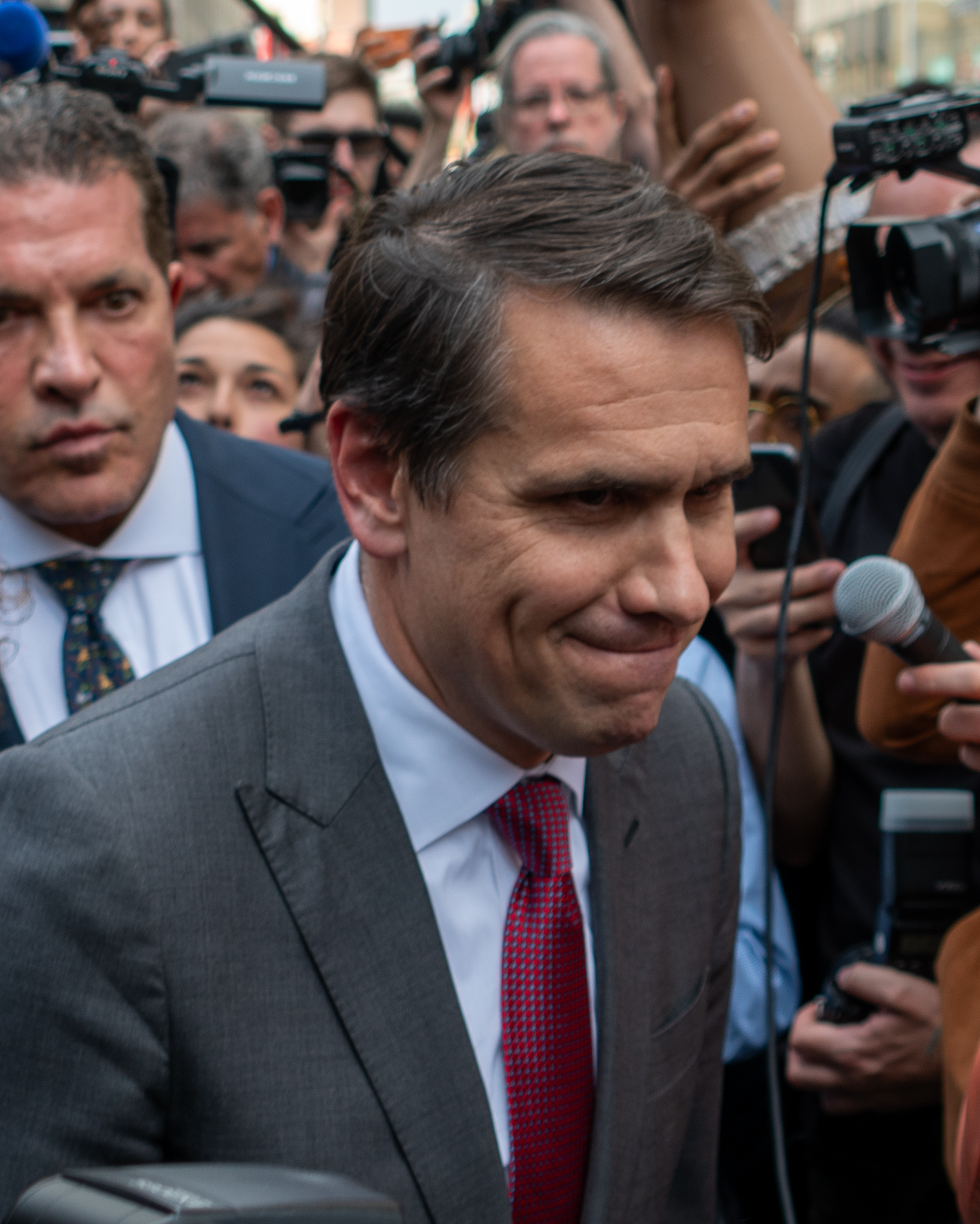
The acting attorney general can keep running DOJ, but his permanent confirmation is tangled in a Republican demand for written clarity on Trump’s tax settlement.
The obstacle for Todd Blanche is not a Democratic blockade. It is a Republican demand for answers about a Justice Department settlement involving Donald Trump’s tax returns.
Blanche remains acting attorney general, but his nomination for the permanent job has been delayed after Republican Sens. John Cornyn of Texas and Thom Tillis of North Carolina withheld support. According to NPR, the senators want more information before allowing the nomination to move forward.
The demand is written clarity
The senators’ central concern is a provision tied to the settlement that ended Trump’s lawsuit against the Internal Revenue Service. NPR reported that the provision remains in effect and could protect Trump, his family and his businesses from audits of past tax returns.
Cornyn and Tillis are seeking written assurances about the scope of that audit protection. According to NPR, they had not received the assurances they considered necessary.
Cornyn has argued that the arrangement could give Trump audit protections unavailable to other taxpayers. The administration has not publicly provided the written commitments the senators are seeking, leaving the boundaries of the agreement unresolved in the confirmation fight.
Two GOP votes became Senate leverage
The withheld support was enough to disrupt Blanche’s path through the Senate Judiciary Committee. The committee called off a planned vote on his nomination after Cornyn and Tillis refused to back him without further answers, according to NPR.
A committee vote is normally the step before a nomination reaches the full Senate. By withholding support at that stage, the two Republicans gained leverage to press the Justice Department for documents, commitments or clarification before Blanche can advance.
NPR reported that the committee’s other 10 Republican members appeared to support Blanche. Cornyn, however, has said the concern is not limited to him and Tillis, leaving uncertainty about how much resistance Blanche could face if the nomination reaches the full Senate.
The settlement has more than one part
The audit-related provision is separate from another element of the agreement: a nearly $1.8 billion anti-weaponization fund. Blanche has said that fund will not proceed.
The senators’ objection, as described in the reporting, is focused on the audit-protection language rather than only on the fund. That distinction matters because Blanche’s statement about the fund does not, by itself, resolve questions about the tax-return provision that remains at issue.
The dispute has therefore narrowed to what the Justice Department is willing to put in writing about the settlement’s limits, especially where Trump’s personal, family and business interests are concerned.
Blanche is the nominee caught in the middle
Blanche’s nomination became the pressure point because the attorney general leads the Justice Department, the department involved in the settlement now under scrutiny.
The dispute does not establish that Blanche personally negotiated every piece of the agreement. Nor has the Senate reached a conclusion on the settlement’s legality. The immediate confirmation question is whether senators will receive enough clarity to proceed.
Supporters of Blanche can argue that a nominee should not be treated as responsible for every legal controversy involving the president. Critics can argue that a confirmation process is precisely when senators should test whether Justice Department leadership will answer oversight requests.
Trump has discussed waiting out the holdouts
According to NPR, Trump has praised Blanche, criticized Cornyn and Tillis, and said he could temporarily withdraw Blanche’s nomination if the two senators do not end their opposition. Trump also said he could submit the nomination again after they leave office at the end of the year.
According to the cited reporting, Cornyn is leaving Congress at year’s end after Trump backed his primary challenger, while Tillis is retiring and did not seek reelection.
A temporary withdrawal could avoid an immediate committee defeat or a prolonged standoff. It could also leave the Justice Department without a Senate-confirmed attorney general for longer while the dispute over written answers remains unresolved.
Acting authority keeps DOJ running
The standoff does not stop the Justice Department’s daily work because Blanche remains acting attorney general. But acting service is not the same as Senate confirmation for one of the federal government’s most consequential legal offices.
Confirmation would give Blanche a stronger institutional mandate and would give senators a formal opportunity to examine his commitments, management approach and willingness to respond to oversight.
The next step remains uncertain. The Justice Department could provide written clarification that satisfies Cornyn and Tillis, the settlement terms could be revised, Trump could withdraw the nomination, or the Senate could try again later.
For now, Blanche’s prospects depend not only on Republican support for him personally, but on whether the Justice Department can answer GOP concerns about a settlement that intersects with Trump’s financial and legal interests.
Leave a Reply