The decision does not resolve whether Roger Rogoff’s firing was lawful. But it keeps the lawsuit alive before the same judge and sharpens a fight over court-appointed prosecutors.
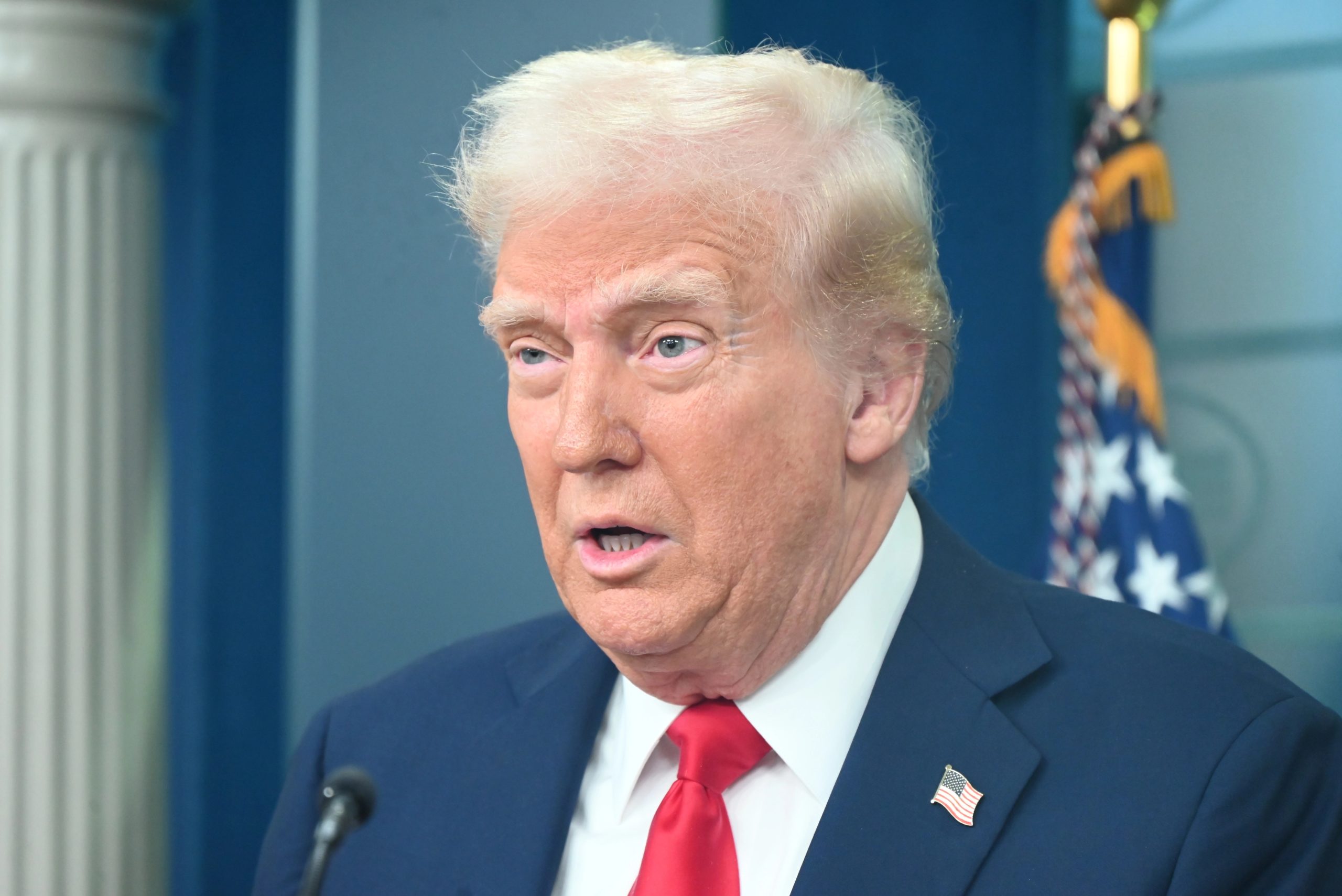
Trump’s effort to remove the judge from the fired U.S. attorney case has failed: a federal judge rejected Trump’s bid to remove the judge from the fired U.S. attorney case, criticized the Justice Department for not citing binding precedent, and let the case continue. The dispute centers on President Donald Trump’s firing of Roger Rogoff, a court-appointed federal prosecutor in the Western District of Washington, and now sits inside a larger fight over temporary U.S. attorney appointments.
The ruling is procedural, not the final word on whether Rogoff’s removal was lawful. Still, it matters because the same court will remain in charge while the Justice Department defends the administration’s view of presidential power.
The recusal request was denied
Trump’s request asked the judge to step aside from the lawsuit over Rogoff’s firing. Recusal motions are designed for situations where a judge’s impartiality could reasonably be questioned, but they do not automatically give a party a new judge or a fresh start.
In this case, the judge denied the recusal bid and faulted the Justice Department’s briefing for failing to cite binding precedent. The criticism was not just about style or courtroom etiquette; it went to the legal support DOJ offered for the result it wanted.
Law & Crime framed the ruling with the phrase “Judge categorically rejects,” underscoring how sharply the court responded to the request. The practical result is simple: the recusal motion failed, and Rogoff’s lawsuit remains on track.
Why DOJ’s briefing drew scrutiny
“Binding precedent” refers to legal authority a court must follow, typically from the Supreme Court or the relevant federal appeals court. When a party asks for an extraordinary procedural step, judges often look closely at whether the briefing identifies the controlling law.
That is why the judge’s criticism of the Justice Department matters. The court said, in effect, that the government had not pointed to the kind of controlling authority that would require or justify removing the judge from the case.
The rebuke does not mean DOJ has lost the larger lawsuit. It does mean the court was not willing to accept a broad claim of government authority without the precedent needed to support it at this stage.
Rogoff’s brief tenure sparked the case
The lawsuit stems from Roger Rogoff’s unusually short time as U.S. attorney for the Western District of Washington. According to NBC News, Rogoff was sworn in and then fired by Trump less than an hour later.
NBC reported that Rogoff is a former judge and former state and federal prosecutor. He had been unanimously appointed by a panel of federal judges after the Seattle-based U.S. attorney’s office had been vacant for months.
Rogoff sued Trump, acting Attorney General Todd Blanche and the Justice Department. He asked a federal judge to declare the firing unlawful and to allow him to serve until the vacancy is filled through the normal process of presidential nomination and Senate confirmation.
The appointment rule at issue
The fight turns on a backup system Congress created for U.S. attorney vacancies. As NBC summarized it, the attorney general may appoint a temporary U.S. attorney, but that appointment is capped at 120 days.
If no Senate-confirmed nominee is in place after that period, federal judges in the district can appoint someone to serve. Rogoff’s side argues that once federal judges made that appointment, Trump could not simply remove him at will.
According to NBC, Rogoff’s lawyers say the firing violated federal law and the Constitution’s Appointments Clause. Their position is that the court-appointment mechanism has legal force and cannot be wiped away immediately by presidential action.
The Justice Department’s view is different. NBC reported that a DOJ spokesperson said the district court did not follow proper protocol because it did not coordinate with the department on the selection, and that the firing was “wholly within the President’s authority.”
The administration’s broader argument
Blanche made the administration’s position publicly on X, writing that district court judges can appoint a temporary U.S. attorney and that the president can fire them. That is the core executive-branch argument: a judge-made temporary appointment does not eliminate presidential removal power.
The counterargument is that Congress created the judicial appointment fallback for a reason. If a president can immediately fire every court-appointed U.S. attorney, Rogoff’s side argues, the backup system could be drained of practical meaning.
The dispute also reflects a long-running tension in federal law. U.S. attorneys exercise executive power in prosecutions and civil enforcement, but Congress has also set procedures for keeping those offices staffed when the ordinary appointment process stalls.
Stakes beyond one prosecutor
Rogoff’s case is not isolated. NBC reported that the Trump administration has fired several U.S. attorneys appointed by federal judges, and that Rogoff is the first to sue over such a removal.
NBC reported that James Hundley, a longtime litigator appointed by federal judges in Virginia after Lindsey Halligan left an acting U.S. attorney role, was fired in February hours after being sworn in. Donald Kinsella, appointed for a vacancy in the Northern District of New York, was also fired after a prior acting prosecutor left following a ruling that he had been serving unlawfully.
Those examples show why the case has significance beyond the Western District of Washington. A ruling for the administration could confirm broad presidential control over court-appointed U.S. attorneys. A ruling for Rogoff could strengthen the judiciary’s role when acting appointments expire and nominations lag.
For now, the unresolved questions remain substantial: whether Trump lawfully fired Rogoff, how the appointment statute should be read, and how the Appointments Clause applies when Congress gives federal judges a temporary appointment role. The immediate takeaway is narrower but important: Trump’s bid to remove the judge failed, DOJ was criticized for missing binding precedent, and the fired U.S. attorney case continues.
Leave a Reply