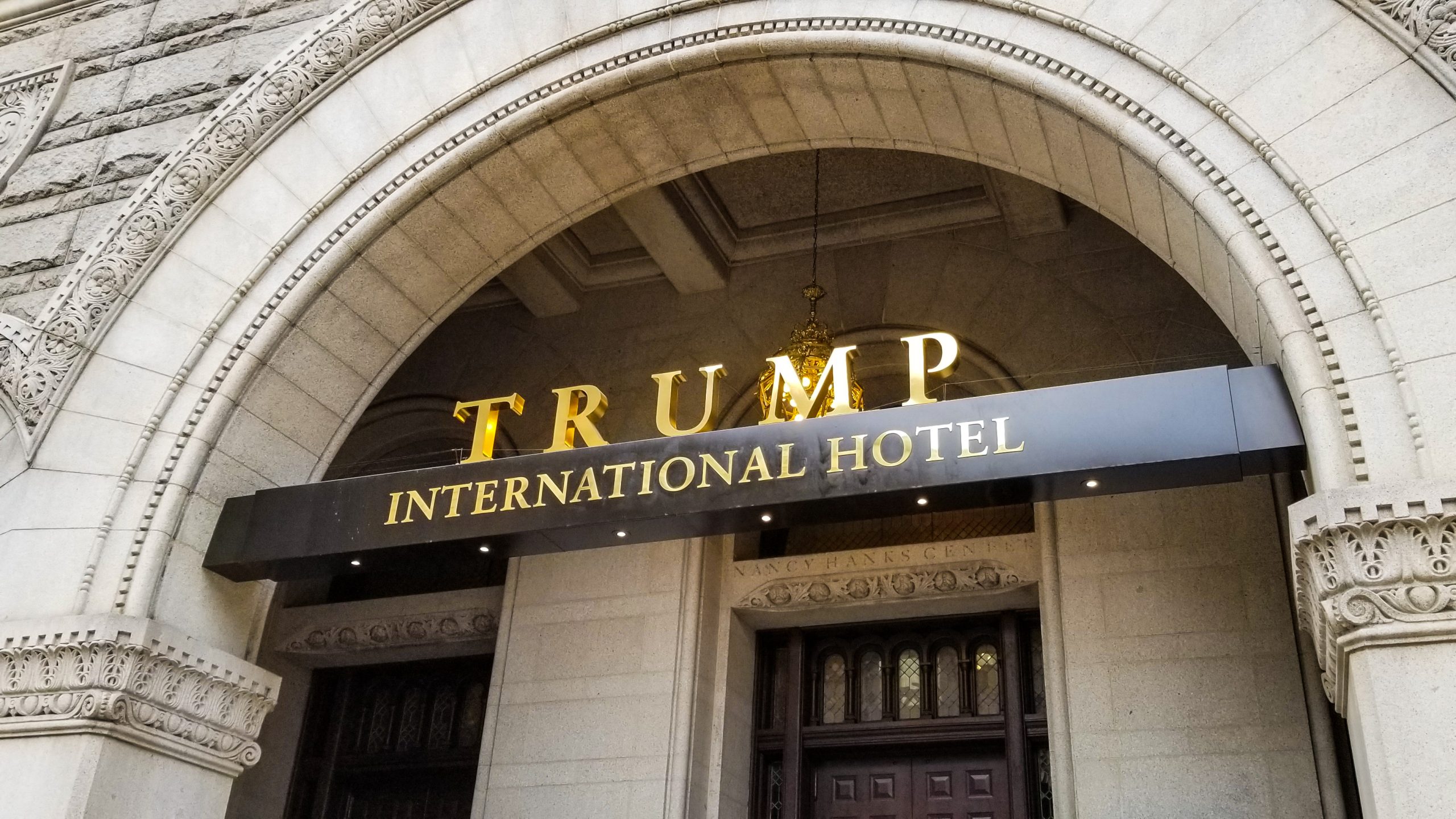
The case turned on executive perks, company records and whether misconduct by a top finance executive could be attributed to the business. The bigger question is how legal findings translate into long-term business damage.
The Trump Organization was convicted of tax fraud. For Donald Trump’s family business, prosecutors and New York investigators zeroed in on an alleged tax-fraud scheme involving executive perks and falsified records, and the Trump Organization’s tax-fraud conviction threatened loans, contracts and corporate control far beyond the courtroom fine.
The case matters because the immediate penalty was only one piece of the risk. The larger pressure came from how lenders, insurers, government agencies and business partners might treat a company carrying a criminal fraud conviction while related New York scrutiny continued.
The fine was not the point
The criminal tax case against two Trump Organization corporate entities ended with a New York jury finding the companies guilty of all 17 counts, including conspiracy and falsifying business records, according to an Associated Press report carried by PBS NewsHour.

The maximum financial penalty in that criminal case was up to $1.6 million. By itself, that figure was not described as the kind of punishment that would shut down a business tied to a brand claiming billions in assets.
But fraud convictions do not operate only as a line item. They can influence whether banks want to lend, whether insurers see added risk, whether partners want to sign deals and whether public agencies are comfortable keeping contracts in place.
That is why the business stakes were broader than the fine. The source record does not support saying the company was immediately forced out of business. It does support saying the conviction created reputational, operational and oversight problems that could follow the company into future negotiations.
Perks became the core evidence
Prosecutors said the company helped executives avoid taxes on expensive benefits. The benefits described in court included Manhattan apartments, luxury cars and other compensation that was allegedly kept off the books or disguised in ways that reduced tax exposure.
Allen Weisselberg, the Trump Organization’s longtime finance chief, was the central witness. He had already pleaded guilty to charges tied to $1.7 million in untaxed fringe benefits and testified as part of a promised five-month jail sentence, according to the AP report carried by PBS.
Trump himself was not on trial in that criminal case. That distinction is important: the conviction attached to corporate entities, not to a personal criminal conviction of Donald Trump in that proceeding.
The case therefore turned less on a dramatic claim about Trump personally and more on corporate liability. Prosecutors pointed to the company’s bookkeeping practices and to Weisselberg’s senior role. The defense argued the conduct was his own betrayal.
Two views of who benefited
The Trump Organization’s lawyers argued that Weisselberg acted for himself, went rogue and violated the company’s trust. Weisselberg testified that his “own personal greed” led to his conduct.
Prosecutors took a different view. They argued the company benefited from the arrangement, which matters because corporate criminal liability often depends on whether a high-ranking employee acted within the scope of work and whether the company gained from it.
The jury sided with prosecutors. That did not resolve every political dispute surrounding Trump or every investigation involving his business, but it did create a validated criminal record of wrongdoing inside the company.
Manhattan District Attorney Alvin Bragg described the verdict as consequential. “A former president’s companies now stand convicted of crimes,” Bragg said, according to the AP report. He framed the outcome as proof that Manhattan applies “one standard of justice for all.”
Contracts and lenders faced pressure
The practical danger for the Trump Organization was not a padlock on Trump Tower. The AP report noted that no one was shutting the company down immediately and that the criminal penalty was limited.
The harder problem was trust. A fraud conviction can make a company more expensive to finance, more difficult to insure and less attractive to potential partners. Even when business continues, every major deal can invite questions about compliance, oversight and political risk.
Public contracts were a possible pressure point. The AP report specifically noted that New York City could have more leverage over the company’s management of a city-owned golf course in the Bronx.
That kind of risk is less visible than a fine but potentially more durable. A lender or public agency does not need to close a company to create pressure; it can demand tougher terms, add oversight or decide the association is not worth the trouble.
The civil case raised control stakes
The criminal tax case was only one part of the legal pressure around the Trump Organization. The AP report described New York Attorney General Letitia James’ civil lawsuit as potentially the bigger threat to the company.
That lawsuit accused Trump, his company and family members of misleading banks, insurers and others about asset values. James sought at least $250 million and asked a court to bar Trump and his three eldest children from running a New York-based company.
Before that civil case was resolved, a judge appointed an independent monitor to oversee the company’s operations while the litigation was pending, according to the AP account. For a private business, that kind of court-ordered monitoring can matter even before final penalties are imposed.
James, whose office assisted in the criminal investigation, called the conviction a message that no person or organization is above the law. Trump rejected the case as politically driven, calling it part of a Democratic “MANHATTAN WITCH HUNT!” and arguing that “New York City is a hard place to be ‘Trump.’”
Loaded labels obscure the law
The phrase “depraved scheme” is a rhetorical description, not the legal charge. The court record centered on tax fraud, conspiracy and falsifying business records.
That difference matters because political language can make the case sound broader or more sensational than the charges themselves. The legal question was narrower: whether the conduct of executives and the company’s records supported criminal liability for the corporate entities.
At the same time, narrower does not mean minor. A conviction for falsifying business records and tax fraud can follow a company into negotiations with lenders, insurers, partners and public officials.
The key distinction is between legal outcome and business consequence. The tax-fraud verdict showed that a jury accepted prosecutors’ claims about company conduct. The separate civil case targeted valuation practices tied to Trump’s identity as a real estate businessman.
The unresolved damage question
The available record does not show that the Trump Organization’s tax-fraud conviction immediately ended the business. The AP noted that Trump’s business continued making deals while legal proceedings unfolded, including licensing arrangements abroad.
Still, continued dealmaking does not erase the impact of a fraud conviction. It can become part of the due-diligence file every time the company seeks financing, enters a partnership or tries to defend a public contract.
The unresolved question is how much legal liability turns into lasting business damage. For the Trump Organization, the threat was not a single fine but the cumulative weight of criminal findings, civil scrutiny, court monitoring, contract pressure and reputational risk.
That is the central takeaway: the company was not portrayed in the source record as instantly shut down, but it was exposed to pressures that can affect money, contracts and control long after a verdict is read.
Leave a Reply