
The Kentucky Republican says he is still handling Senate business while recovering from a fall and pneumonia. The unanswered question is how much was done directly by him, and how much was handled through staff procedures.
Mitch McConnell was hospitalized after a fall, was absent from the Senate, and now faces questions about whether an autopen was used while he was in the hospital. The “Missing McConnell cornered” framing has turned a health update into a sharper accountability question for McConnell’s staff and the Senate: what work could Kentucky’s senior senator still do during weeks of treatment and recovery?
McConnell’s own Senate office has now offered the clearest account so far of why he was away. It says the Republican senator fell at home, was briefly unconscious, spent weeks under medical care, developed a mild case of pneumonia, and has moved to a rehabilitation center while he works to regain strength.
McConnell explains his absence
In a statement posted by McConnell’s Senate office, the Kentucky Republican addressed what he called “honest questions” from constituents about “what was keeping me away from the Senate.”
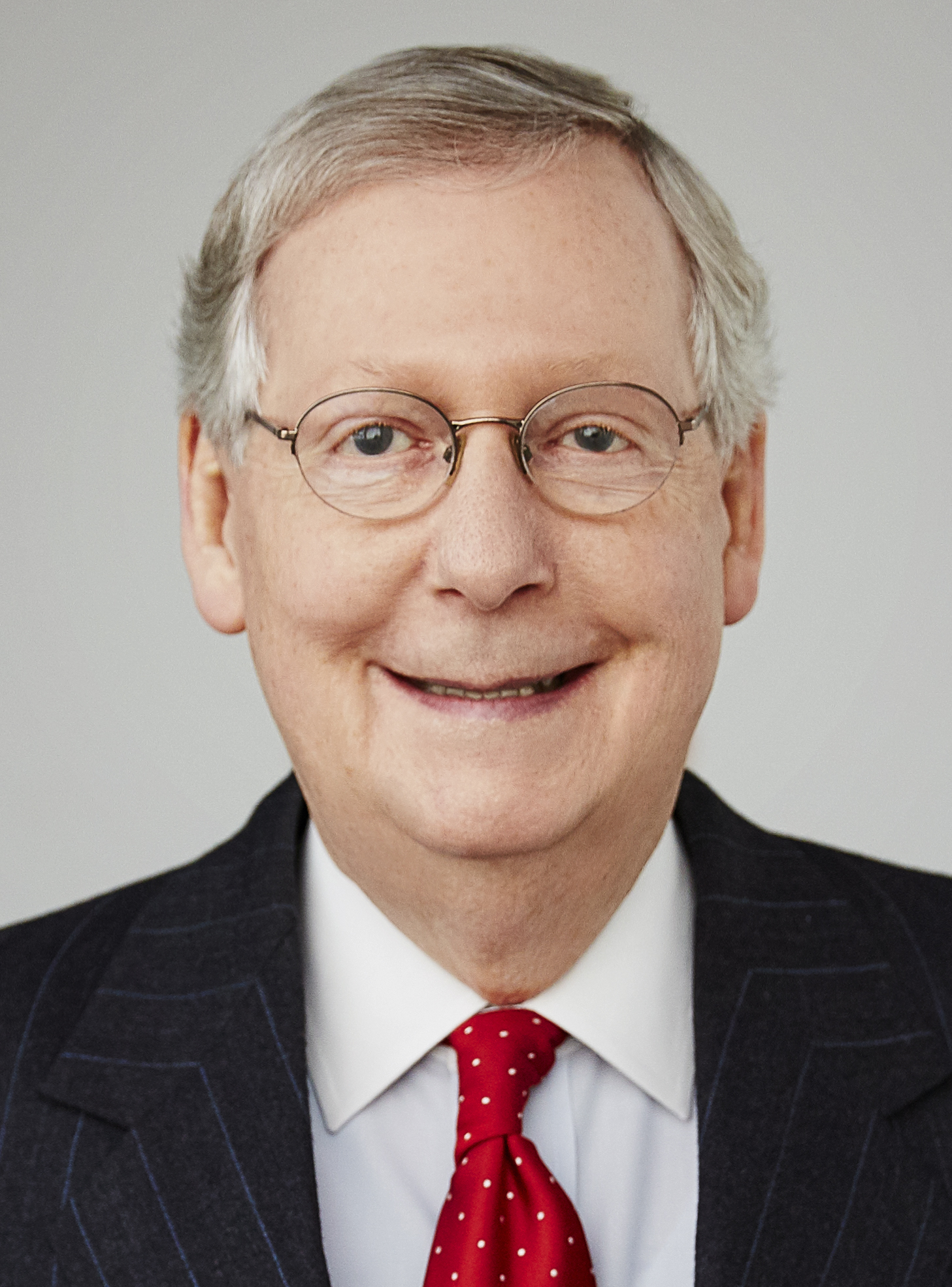
His explanation was unusually personal. McConnell wrote that he has long dealt with mobility challenges tied to childhood polio, and that those challenges “haven’t exactly gotten easier to manage with age.” He said he fell last month and was taken to the hospital.
According to McConnell, doctors found no broken bones, concussion, heart attack, stroke, tumors or hemorrhages. He said he had been briefly unconscious and later dealt with a mild case of pneumonia while receiving care.
The statement also made clear that his return to normal Senate floor work is not immediate. McConnell said that, on doctors’ advice, he would not yet be able to return to the Senate floor to vote.
The autopen question remains narrow
The most politically charged part of the story is not only McConnell’s health. It is the narrower question of whether an autopen was used while he was hospitalized, and if so, what it was used to sign.
An autopen is a mechanical or electronic device that reproduces a person’s signature. Government offices and large institutions have long used signature machines for high-volume correspondence and routine documents. Their use can be mundane, but it can also raise questions when the signer is seriously ill, unavailable or not clearly directing the action.
McConnell’s public statement does not appear to answer that question directly. It says he has been working with legislative staff on current issues, coordinating with his Kentucky team on constituent services and keeping in touch with Senate colleagues on appropriations, politics and other matters.
That matters because those are different categories of work. A senator reviewing policy, speaking with colleagues and directing staff from recovery is one thing. A staff process applying a signature to letters or official documents is another. The public record, based on the statement released by McConnell’s office, does not spell out where the line was drawn.
What his doctor’s office said
The medical addendum from the Office of the Attending Physician added more detail about the timeline and the severity of the incident.
It said McConnell had experienced several falls during the year that were attributed to his post-polio condition. It also said he was admitted to the hospital four weeks earlier after falling at home and sustaining minor injuries.
The attending physician’s office said a comprehensive evaluation found no fractures, cardiac abnormalities, stroke, tumor or hemorrhage. Early in the hospitalization, McConnell developed pneumonia, which the office said responded rapidly to antibiotics.
The remainder of the stay, according to that statement, focused on physical therapy and reducing the risk of future falls. McConnell was medically cleared to continue taking part in an intensive physical therapy program.
Why Senate absence matters
Senate absences are not just personal scheduling issues. A senator who cannot be on the floor cannot cast ordinary floor votes, and McConnell acknowledged that he is not ready to return to voting yet.
That creates a gap between two versions of Senate work. There is the visible work of being present for votes, speeches, hearings and negotiations. Then there is the less visible work of phone calls, staff direction, constituent services and internal strategy.
McConnell is arguing that the second category has continued. He told Kentuckians he is “not taking a break from the Senate business that matters to you,” even while he is away from the floor.
Critics and skeptical readers are focused on the missing details. If an elected official is too ill to appear publicly or vote, they may want a clearer account of what decisions he personally made, what staff handled, and whether any documents carried his signature through an autopen.
Privacy versus public accountability
There is a real tension here. McConnell is an 84-year-old public official with a documented history of mobility issues, and medical details can quickly become invasive or cruel. His statement openly acknowledges that people of his generation often hesitate to share the vulnerability that comes with aging.
At the same time, senators are not private citizens when they are exercising public power. Constituents are entitled to know whether their representative is able to perform the job, especially when absences affect votes and official communication.
McConnell tried to meet that concern by explaining the fall, the hospital stay, the pneumonia and the rehabilitation plan. He also linked the episode to his earlier decision to retire at the end of his term in January, saying that decision reflected honesty about the demands of Senate work.
But the autopen issue sits in the space between health privacy and office transparency. The question is not whether staff helped him. Every senator relies on staff. The question is whether the public can tell when McConnell himself directed an action and when his office machinery carried it out.
What still needs clarification
The cleanest way to resolve the dispute would be a specific explanation from McConnell’s office about signatures and authorization during the hospitalization.
Several basic points remain unclear from the public statement:
- Whether an autopen was used while McConnell was hospitalized or in rehabilitation.
- If it was used, whether it applied only to routine constituent correspondence or to other official materials.
- How McConnell approved any documents or communications bearing his signature during treatment.
- Whether his staff followed a written office policy for signatures during medical absence.
None of those questions, by itself, proves wrongdoing. An autopen can be a routine administrative tool. But in a moment when a senior senator is absent from the floor and recovering from a serious fall, the optics are different.
For now, McConnell has answered the biggest medical question: why he disappeared from the Senate and what his doctors say happened. He has not fully answered the procedural one: how his office operated in his name while he was in the hospital. That is why the story has not ended with the health update.
Leave a Reply