Oman’s negotiations with Iran over the Strait of Hormuz have put a U.S. ally and regional intermediary at the center of a stalled peace effort. The reported threat arrives as a 60-day U.S.-Iran negotiating window has expired without a durable agreement.
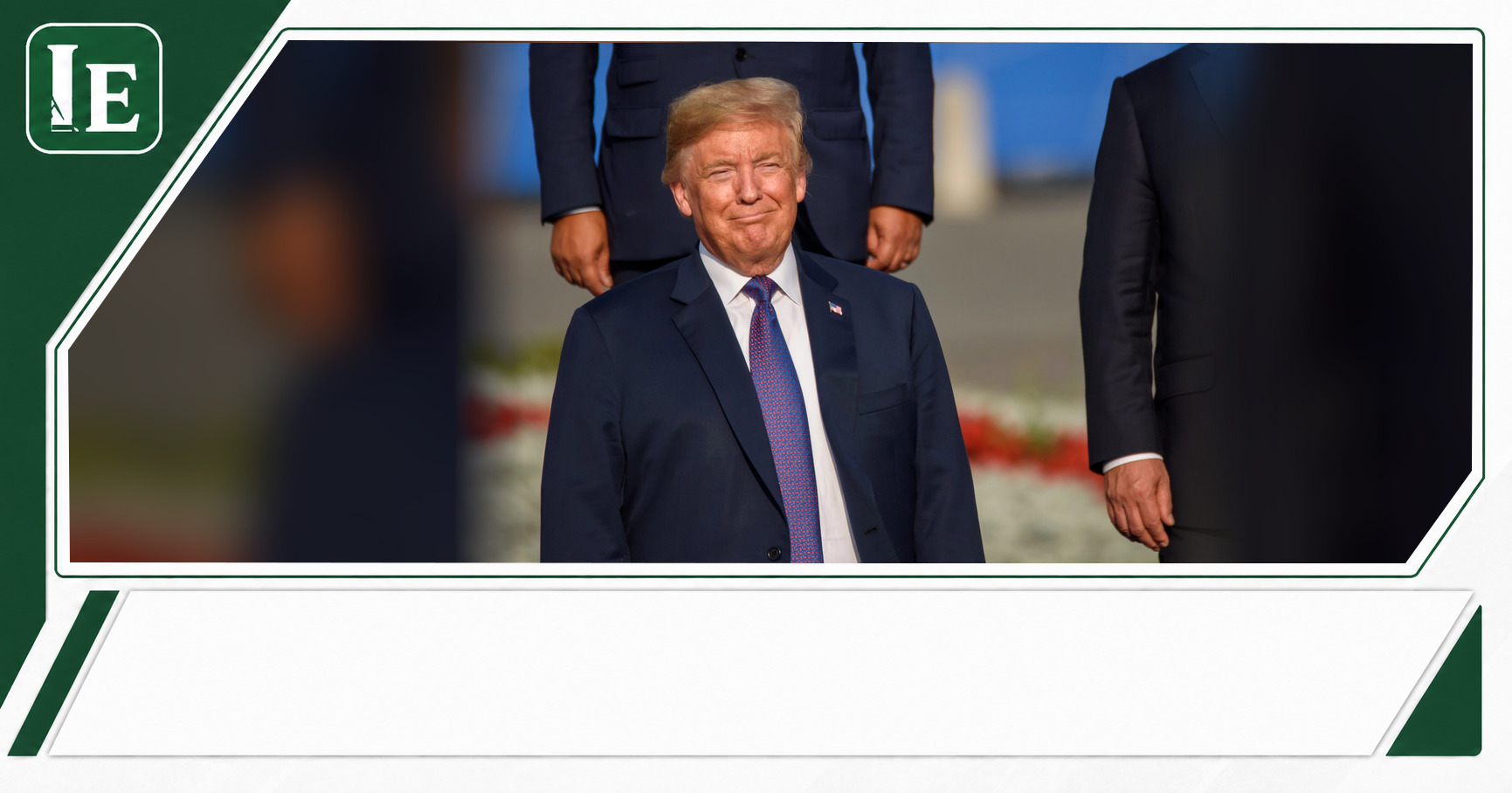
Donald Trump reportedly threatened to bomb Oman if it interfered with U.S.-Iran talks, according to an Aug. 17, 2026, phone interview with Fox News cited by USA TODAY. The reported warning was tied to Oman’s negotiations with Iran over the Strait of Hormuz, a vital oil-shipping passage, and it adds pressure to already stalled U.S.-Iran peace efforts.
The account places Oman—a U.S. ally with channels to regional governments—between Washington and Tehran as a 60-day negotiating window expired on Aug. 17. No new U.S. military order, public ultimatum, formal policy change or official Omani response was described in the report, leaving the practical meaning of the statement unresolved.
A reported warning, not an order
USA TODAY reported that Trump made the remarks in a phone interview with Fox News. Its account cited Trey Yingst, Fox News’ chief foreign correspondent, who said he spoke with the president.

According to that report, Trump said Oman would face military action if it got in the way of U.S. negotiations with Iran. That is a consequential claim, but the available reporting did not include the White House’s position, a defined set of conditions for Oman, or a formal shift in U.S. policy.
That distinction matters. A reported presidential statement can affect how governments calculate risk even without a military directive or a publicly announced ultimatum. But it does not, on its own, establish that military action has been ordered or that Washington has issued Muscat a specific demand.
Why Oman is central now
Oman is not presented in the report as an adversary. It is a U.S. ally and a regional intermediary that has maintained contact with governments whose relationships with Washington are difficult.
That position can make Oman useful when official diplomacy is stuck. Its conversations with Iran could help carry messages, test whether compromise is possible or create a route toward de-escalation.
They could also create tension with Washington if the Trump administration sees a separate Oman-Iran arrangement as weakening U.S. leverage or producing terms the United States would reject. The reported warning therefore raises a basic diplomatic question: whether Oman’s role is being treated as a potential bridge to a deal or as an obstacle to one.
Hormuz is more than a map
The immediate subject of Oman’s talks with Iran was reopening the Strait of Hormuz, according to USA TODAY. The narrow waterway lies between Iran and Oman and is among the world’s most consequential maritime chokepoints.
The report said Iran and the United States had both asserted control over the strait. It also said the United States had imposed a naval blockade on Iranian ports intended to prevent Iranian ships from using the passage to transport oil.
For Iran, access to Hormuz carries economic, political and strategic importance. For the United States and its partners, the ability to move ships safely through the passage bears on oil flows, commercial shipping, insurance costs and the broader security posture across the Persian Gulf.
That means a deal involving shipping access is not merely a local matter. If Iran viewed an Oman-mediated arrangement as easing pressure without meeting Washington’s conditions, it could reshape the leverage behind the broader U.S.-Iran confrontation.
The peace window has closed
The reported comments came as a 60-day period for U.S.-Iran negotiations expired on Aug. 17. USA TODAY said the period was set out in a memorandum of understanding reached in June and was intended to give the sides time to develop a peace agreement.
Instead, the preliminary framework quickly broke down, according to the report. There was no durable end in sight to a war that began in late February.
Iranian leaders have said Tehran would not accept an agreement unless the United States accepted certain conditions, including compensation for Iran. Trump has rejected that demand. On the facts described in the report, the parties’ stated terms remain incompatible.
That helps explain why Oman’s separate contacts have become so sensitive. A mediator may be most valuable precisely when direct talks have failed, yet those same contacts can become contentious if either side believes they alter the bargaining balance.
Pressure strategy faces competing risks
Supporters of a hard-line approach could argue that a warning to Oman signals that Washington will not permit a regional arrangement to undermine its bargaining position with Tehran. From that view, pressure is meant to preserve U.S. control over the terms of any settlement.
Critics could see the opposite danger: threatening a country with working relationships on both sides may damage one of the few available channels for communication. If trust in Oman’s neutrality declines, its ability to act as a go-between could become more limited.
The report also said Trump had stated the previous week that he was prepared to declare the Strait of Hormuz a “territory of the United States.” It did not explain how such a declaration would work or what legal authority the administration would cite.
For Oman, Iran and other regional governments, control of the strait is tied to sovereignty as well as commerce. Stronger rhetoric can therefore increase the risk that a dispute over access and negotiating terms grows into a wider military crisis.
Key details still missing
The available report does not establish what specific Omani action Trump would consider “getting in the way.” It does not say whether Washington communicated red lines to Muscat or whether Oman’s discussions with Iran directly conflicted with U.S. objectives.
There is also no described breakthrough, replacement deadline for talks or publicly detailed agreement over the Strait of Hormuz. Those absences matter because they separate the reported statement from a confirmed change in policy or military posture.
The next meaningful signals would be whether U.S. and Iranian officials revive negotiations, whether Oman continues its dialogue with Tehran, and whether either side changes its stated demands. Until then, the dispute reflects a larger contest over who can shape the route to a deal—and whether diplomacy can withstand escalating military language around one of the world’s most important shipping passages.
Leave a Reply