The confirmed rescue is separate from unverified reports of other attempted jumps, but both have focused attention on living conditions and mental-health support aboard the carrier. Navy officials dispute that there has been a broader increase in suicidal ideation or attempts.
A sailor was rescued after going overboard from the USS Abraham Lincoln, and the incident prompted scrutiny of conditions aboard the aircraft carrier. The U.S. Navy has responded to separate reports that USS Lincoln sailors were trying to jump overboard, while maintaining it has not seen an increase in suicidal thoughts or attempts aboard the ship.
The confirmed rescue, reports from sailors and relatives, and concerns raised by families have converged during an unusually long deployment. The central question is not whether the August 3 rescue occurred, but whether it signals a wider safety and mental-health problem that Navy leaders say their data does not show.
A deployment with few breaks
The Abraham Lincoln left its San Diego home port in November and was later redirected to the Middle East to support U.S. operations in the Iran war. CNN reported that the aircraft carrier had been deployed for more than 250 days.
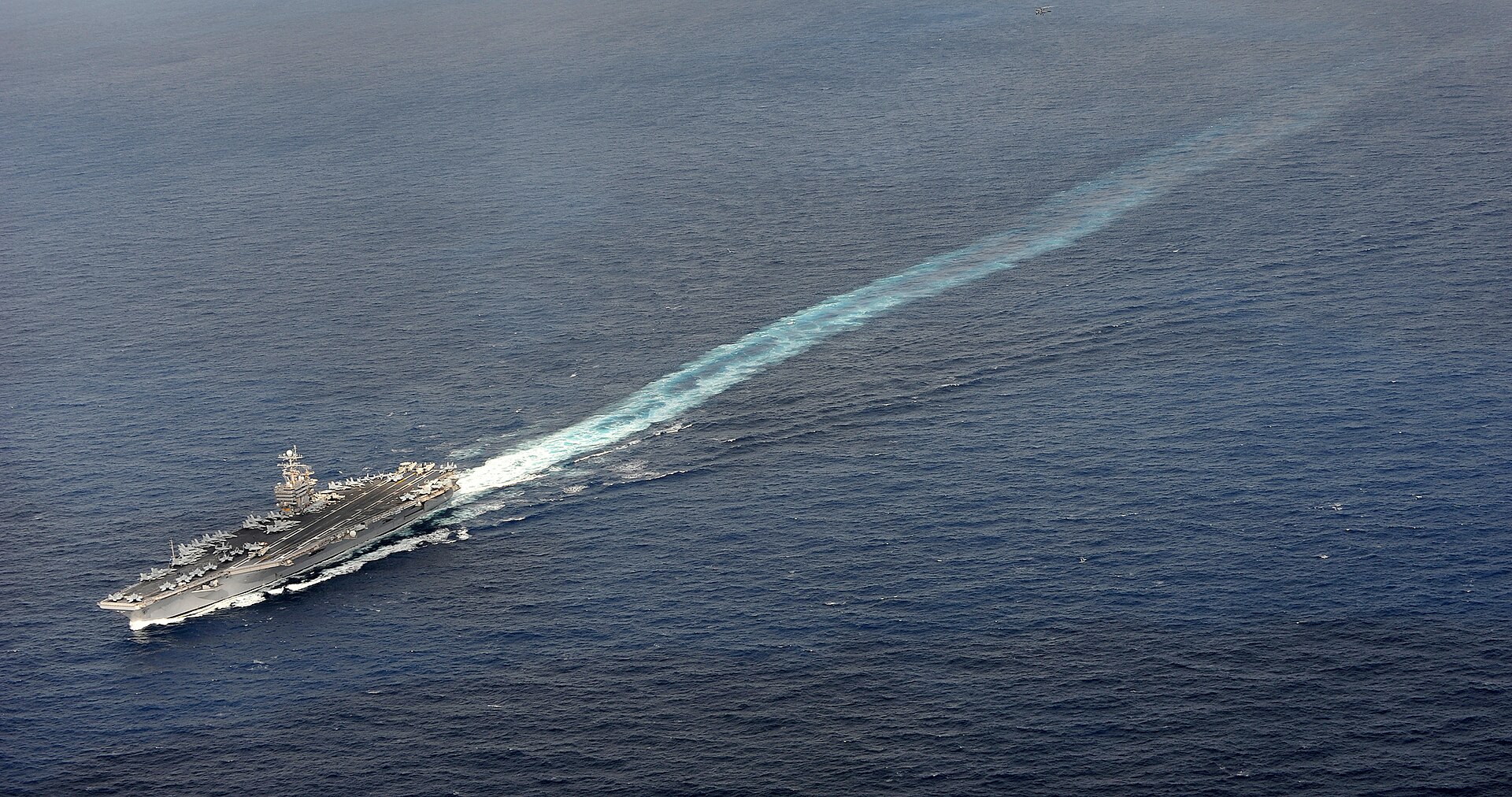
More than 5,000 sailors and Marines are aboard, according to CNN. Sen. Richard Blumenthal, a Connecticut Democrat and member of the Senate Armed Services Committee, said the ship had spent more than 200 consecutive days without a port call, which he described as a modern-day record.
A lengthy deployment alone does not establish unsafe living conditions or a mental-health crisis. Still, prolonged time at sea can intensify challenges including reduced privacy, maintenance demands, limited contact with home and delayed mail for people working and living in a confined environment.
A U.S. official told CNN that the USS George Washington carrier group was headed to the Middle East as part of a previously planned rotation to replace the Lincoln. It was not clear when that replacement would arrive.
What happened on August 3
Three U.S. officials told CNN that a sailor assigned to an air wing aboard the Abraham Lincoln went overboard in rough seas on August 3. One official said the sailor was wearing a life vest and was not injured.
An air-wing search-and-rescue helicopter recovered the sailor within an hour, CNN reported. The sailor was treated by the carrier’s medical department and transferred off the ship for follow-on care.
One official characterized the event as involving mental health. That account concerns the confirmed rescue, but it does not resolve the separate claims that other crew members may have tried to go overboard.
Competing accounts of crew welfare
Stars and Stripes and Navy Times reported accounts from sailors and family members suggesting there had been multiple attempts by crew members to go overboard during the deployment. Stars and Stripes said its reporting included interviews with active-duty sailors and relatives, as well as public social-media posts and comments from crew members.
The Navy’s position differs. In a statement to CNN, the service said it had not observed an increase in suicidal ideation or attempts aboard the ship and said it takes service members’ well-being seriously.
The Navy said religious, medical and mental-health professionals are available to assess and address concerns. A U.S. official told CNN that internal tracking showed reports of suicidal ideation aboard the carrier had declined in recent months and that the service does not see a connection between deployment length and thoughts of self-harm.
Those statements do not negate the gravity of the family and sailor reports. But the confirmed August 3 incident, allegations of other attempted jumps and the Navy’s broader statistical assessment are distinct claims and should not be treated as interchangeable.
Families cite basic shipboard problems
About 200 relatives of Lincoln crew members raised concerns with Acting Navy Secretary Hung Cao and other senior officials at town hall meetings in San Diego, according to Navy Times and Stars and Stripes.
Families cited deteriorating mental health, shortages of basic supplies, water contamination, plumbing problems, food availability and mail disruptions, according to CNN and MS NOW. These were reports from sailors and families, not public Navy findings that every alleged condition happened as described.
Rep. Mike Levin, a California Democrat, said families described moldy showers, broken toilets, a lack of hot water and limited meals. He also relayed one family member’s account that a ship doctor had said the crew needed to reach port soon.
According to MS NOW, Vice Adm. Joseph Cahill, commander of Naval Surface Forces, acknowledged at one meeting that leaders had heard concerns about effects on service members, families and the force’s long-term ability to sustain its health.
Congress seeks clearer answers
Blumenthal wrote to Defense Secretary Pete Hegseth and the acting Navy secretary seeking answers about living conditions on the carrier and the growing duration of deployments. His letter cited reports of supply shortages, water contamination, plumbing issues, deck-safety concerns, mental-health problems and lost care packages.
Hegseth rejected the broader portrayal of conditions, telling reporters that the Lincoln’s situation had been “completely misrepresented.” He praised sailors serving with fewer port calls in austere conditions and said the military works to ensure ships, crews and captains receive what they need.
The disagreement leaves Navy leaders facing a practical transparency test. The crew may be carrying out a demanding mission under difficult circumstances, while individual sailors and families may also be experiencing acute distress or failures that deserve attention.
What remains unclear is whether the reported problems are isolated, systemic or being addressed before the Lincoln’s rotation ends. The overboard rescue has made that question harder to dismiss because it places a verified emergency alongside broader, still-disputed concerns about the human cost of extended time at sea.
Why careful reporting matters
Claims involving possible self-harm require precision, particularly when reports circulate faster than official information. Protecting privacy and distinguishing verified events from allegations are both essential.
The available reporting establishes that a sailor was rescued on August 3 and that the Navy disputes a broader increase in suicidal ideation or attempts. It also establishes that families, lawmakers and some sailors have raised serious concerns about morale, conditions and deployment strain.
If you or someone you know is in immediate danger or struggling with thoughts of self-harm, call or text 988 in the United States to reach the Suicide & Crisis Lifeline.
Leave a Reply