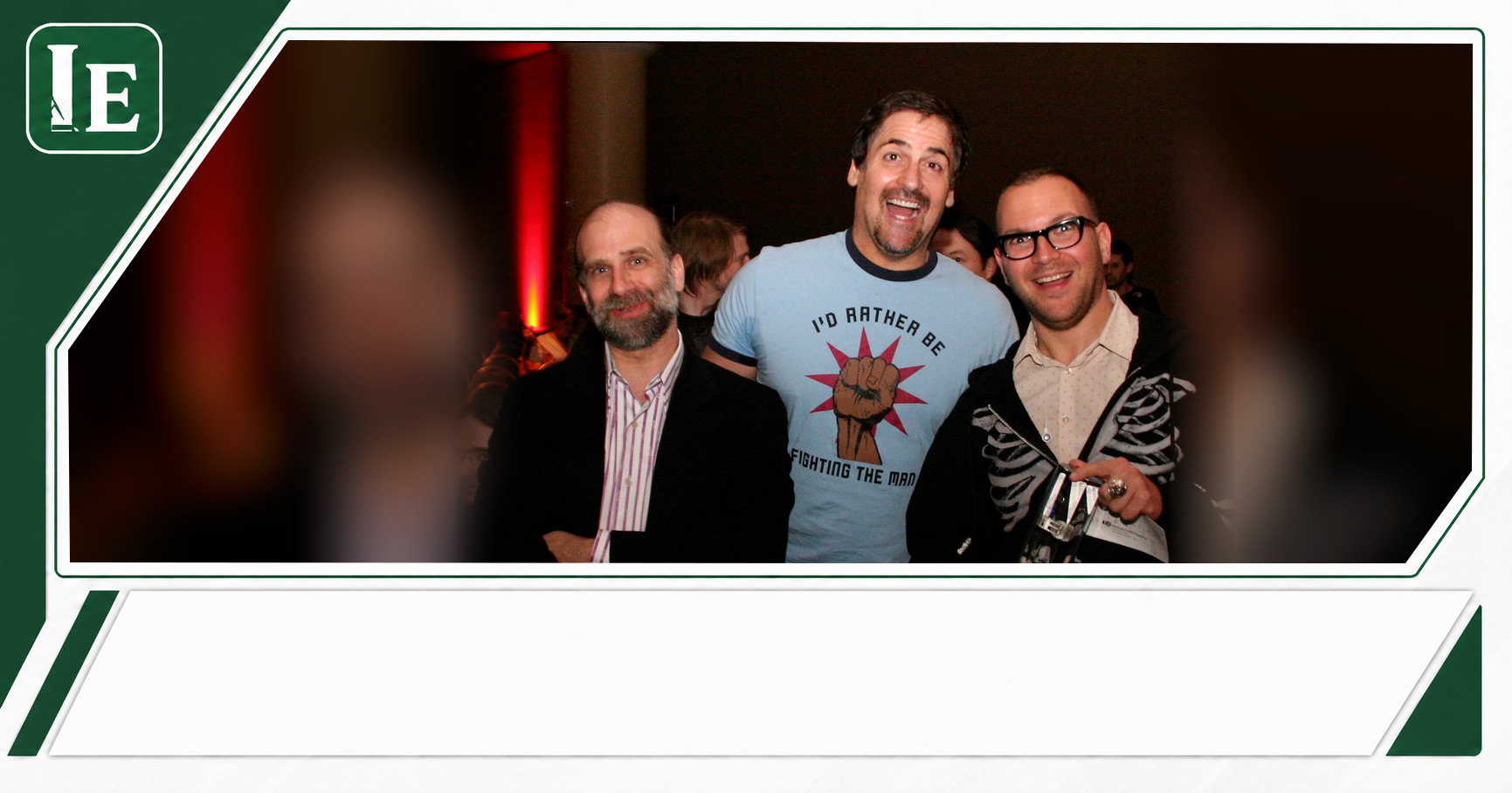
Cuban’s preference for annuity payments is rooted in a broader warning about sudden wealth: a jackpot can create pressure long before it creates a plan.
Mark Cuban urged lottery winners to reject a lump-sum payout and consider how they receive their winnings before making fast decisions. His advice favors an annuity over immediate cash, but it also addresses the pressure that can follow a major prize: taxes, investment pitches and requests for money from friends or relatives.
For Cuban, the central risk is not simply choosing the wrong payment option. It is assuming that a sudden windfall comes with the experience, discipline and boundaries needed to manage it.
The case for slower money
Cuban’s best-known instruction to jackpot winners is blunt: do not take the lump sum. In comments reported by CBS Miami during the record $1.5 billion Powerball frenzy in January 2016, he said winners do not want to “blow it all in one spot.”
That warning is largely about behavior. A cash option puts a very large amount of money under a winner’s control immediately, inviting rapid choices about purchases, investments, gifts and debts. Someone who has never managed substantial wealth may suddenly face a stream of appeals and decisions that all seem urgent.
Cuban instead has favored an annuity, which distributes scheduled payments over time. CNBC reported in 2024 that he still preferred an annuity for mega-jackpot winners. The attraction is not that an annuity solves every money problem; it can make it harder to spend the entire prize early.
Why the advertised jackpot misleads
The headline number attached to a lottery prize and the cash option are not the same thing. The advertised jackpot generally reflects an annuity paid over time, while the lump-sum offer represents the value available upfront under a game’s rules.
That distinction matters because comparing the cash option directly with the advertised jackpot can make the upfront payment look like a loss rather than a different structure. A winner needs the exact cash figure and the full annuity schedule before weighing either choice.
There is a legitimate counterargument to Cuban’s preference. A lump sum offers flexibility: it can be used to pay obligations, invest or build a tailored long-term financial plan. But that flexibility transfers more responsibility to the winner immediately, including the need to manage a large pool of money, navigate market volatility and avoid promises of quick returns.
There is no guarantee that investing a lump sum will outperform an annuity after taxes, fees, inflation and behavior are taken into account. Lottery rules, tax treatment, privacy rules and claim procedures also vary by game and jurisdiction, so no celebrity rule can settle the decision for every winner.
A plan before the announcement
Cuban’s advice points toward a first principle that applies before either payout is chosen: pause. His first tip in the 2016 report was to hire a tax attorney, and the wider message was to protect the money before trying to spend, invest or distribute it.
Before claiming a prize where possible, winners may need to secure the ticket, understand local claim and anonymity rules, and assemble qualified advisers. Independent tax and legal guidance is especially important because a winner’s situation may involve debt, dependents, estate needs or other complications that change the calculation.
A strong professional team can also help distinguish informed planning from the sudden rush of opportunities that often follows public news of a jackpot. Rushed investment offers, celebratory large purchases and supposedly once-in-a-lifetime proposals all demand caution when the winner is still processing what has happened.
The essential question is not whether cash is always bad or an annuity is always best. It is whether the winner has enough information, support and time to make a decision that fits their circumstances rather than the excitement of the moment.
When friends start asking
Cuban’s other memorable piece of advice is about the social side of a windfall: tell people no when they ask for money. He did not frame that as a license to be dismissive. “Be nice,” he said. “No one likes a mean billionaire.”
That approach recognizes the difference between intentional generosity and reacting to each request as it arrives. A winner may already know which close people they want to help. The risk comes when a gift, loan or business investment is made simply to end an uncomfortable conversation.
Money given under pressure can create recurring expectations. Loans to relatives can become family disputes, while backing a proposal from an acquaintance can leave the winner tied to somebody else’s gamble. Clear boundaries can protect both the prize and the relationships around it.
A private giving policy can add needed structure. It could set aside a fixed amount for gifts, rule out personal loans or direct charitable help through a formal plan. The point is not to eliminate generosity; it is to ensure generosity remains a decision rather than a reflex.
Firm boundaries need not be cruel
A winner does not have to disclose account balances or defend every refusal. A short response such as, “I’m not making personal loans or financial commitments right now,” can be more effective than arguing over whether a particular request is deserving.
Repeating the same response can prevent every appeal from becoming a new negotiation. It also avoids making promises that may be difficult to keep once tax obligations, payout terms and long-term needs become clearer.
Politeness does not require accepting manipulation. If someone becomes angry, threatening or coercive after hearing no, the priority shifts to safety and privacy rather than preserving that person’s comfort. Attorneys, accountants and financial planners can provide distance, document gifts and help keep sensitive conversations out of family gatherings or group chats.
The bigger warning behind Cuban’s tip
Cuban also cautioned that money does not automatically produce happiness. In the CBS Miami report, he described a jackpot as a way to make life easier by reducing worries about bills, not as a solution to an unhappy life.
That is why his annuity preference should be read as a guardrail, not a universal command. The soundest takeaway is to resist treating sudden wealth as sudden expertise. Understand the payment terms, seek professionals obligated to put the client first, and establish boundaries before the money becomes the center of every relationship.
For a winner, the most valuable early move may be the least dramatic one: slow down. The payout choice matters, but so does building enough space to make every next decision on purpose.
Leave a Reply