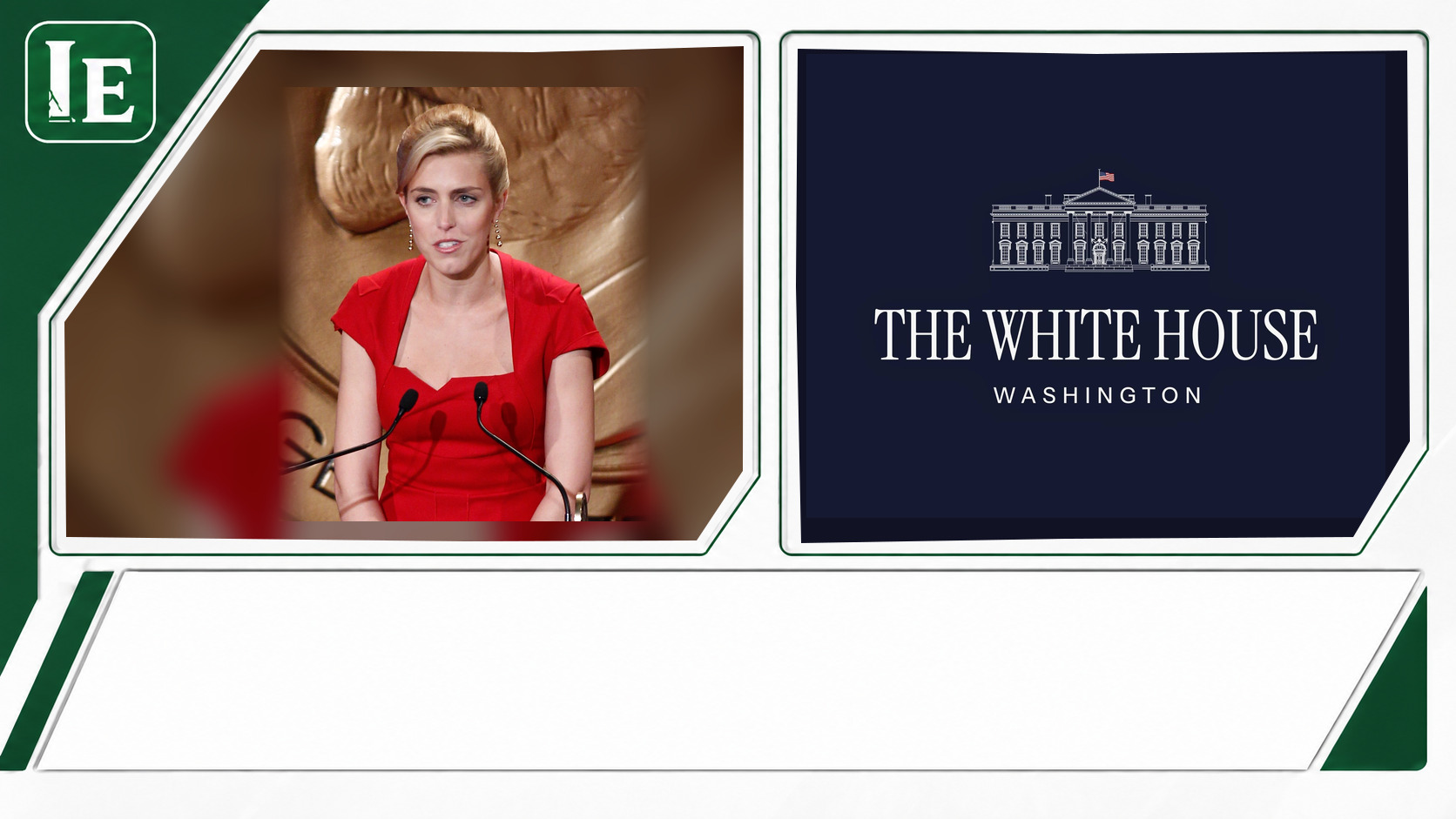
A playful video from a CNN correspondent became the latest flashpoint in the tense relationship between the Trump White House and major news outlets. Ward’s short response kept the focus on the unusual escalation rather than the insult.
CNN’s Clarissa Ward hit back at the White House after it called her a “complete freak” and “hot mess” over a dancing video filmed at an airport while she was on assignment. Ward’s response — “Dancing is good for the soul” — followed the White House remarks and turned a small social-media dispute into a fresh example of the combative relationship between the administration and television journalists.
The exchange matters because neither side was arguing about a news report. The target was a personal, playful video from one of CNN’s best-known correspondents, and the White House response treated it as evidence of a larger complaint about journalism and social-media culture.
An airport video becomes a target
Ward shared the video Tuesday while traveling for an assignment, dancing in an airport and inviting followers to guess what she was going to cover. Her caption described the assignment as “good fun” and encouraged people to be goofy without worrying about who was watching.
It was not presented as a report or a political statement. The post was closer to the behind-the-scenes, personality-driven content that many reporters now use to show the less formal parts of a demanding job.
That distinction is central to the dispute. Ward was posting as a public-facing journalist on her own social account, but the response from the White House framed the clip as a test of whether a CNN reporter could be taken seriously.
The White House account’s criticism
According to TheWrap, the Rapid Response 47 account on X criticized Ward in a post dated Aug. 11, 2026. The account said it was embarrassing for a self-described serious CNN journalist to act like a “complete freak” in public for social-media clicks, adding that nobody wanted to watch the “hot mess.”
The wording was unusually personal for a response to an innocuous video. It did not address Ward’s reporting, the assignment referenced in her post, or any factual dispute involving CNN’s coverage.
That leaves the attack open to two readings. Supporters of the criticism may see journalists’ casual online posts as fair game when they are tied to their professional identities. Critics are likely to see a White House-linked account using its platform to belittle a reporter over behavior unrelated to her work.
Ward chose a brief answer
Ward replied hours later with a short message: “Dancing is good for the soul,” accompanied by heart, dancer, flexed-arm and peace-sign emoji. Her answer did not engage the insult point by point or identify the account directly.
The brevity was part of the response. Rather than debate whether a reporter should post playful content, Ward reaffirmed the basic spirit of the original video: joy, movement and a willingness not to take herself too seriously.
It also denied the critics a longer confrontation. In online political fights, a carefully limited reply can be a way of acknowledging an attack without allowing it to define the story.
A familiar media-politics pattern
The incident arrived in a political climate where journalists, especially reporters at outlets frequently criticized by President Donald Trump and his administration, can become targets of direct social-media attacks. TheWrap noted that CNN’s Kaitlan Collins has also faced public insults from Trump.
Those episodes are not identical, and Ward’s dancing video involved no policy question or press-conference clash. Still, the pattern matters because criticism of a journalist can shift from challenging coverage to attacking personality, appearance or conduct outside the reporting itself.
Political officials and journalists both operate in an attention economy. A reporter’s informal post can be interpreted as personal expression, brand-building or a bid for engagement. An administration’s response can be read as political messaging, entertainment for supporters or an attempt to discredit an outlet. Often, it is some combination of all three.
The disagreement is bigger than dancing
At the heart of the exchange is a real, unresolved question about public-facing journalism. News organizations increasingly encourage their reporters to reach audiences through video, personality and social platforms. That can make correspondents more accessible, but it also blurs the line between their formal reporting and their off-duty public personas.
Ward’s post gave viewers a glimpse of a reporter in transit, not an account of the story she was assigned to cover. The White House criticism instead placed the clip inside a broader argument about CNN’s credibility and journalistic seriousness.
Neither Ward nor the White House account, based on the material reported by TheWrap, offered a detailed explanation of what standard should govern a journalist’s personal social-media behavior. The exchange therefore produced more heat than clarity about where that line should be.
What remains unclear after the posts
There is no indication in the reported exchange that CNN issued a public statement or that the White House account expanded on its criticism. It is also unclear whether the viral attention will have any effect beyond another short-lived social-media argument.
For Ward, the immediate outcome was straightforward: she answered an insult without retracting the video or apologizing for it. For the White House, the post amplified a critique of CNN while drawing attention to the very clip it mocked.
The result is a reminder that the most minor online moments can now be pulled into national political combat. A few seconds of dancing at an airport became a proxy fight over professionalism, media distrust and who gets to set the terms of public behavior for journalists.
Leave a Reply