The new enforcement drive focuses on alleged visa deception and organized travel networks, not pregnancy itself. It also lands after the Supreme Court reaffirmed broad birthright citizenship protections for children born in the United States.
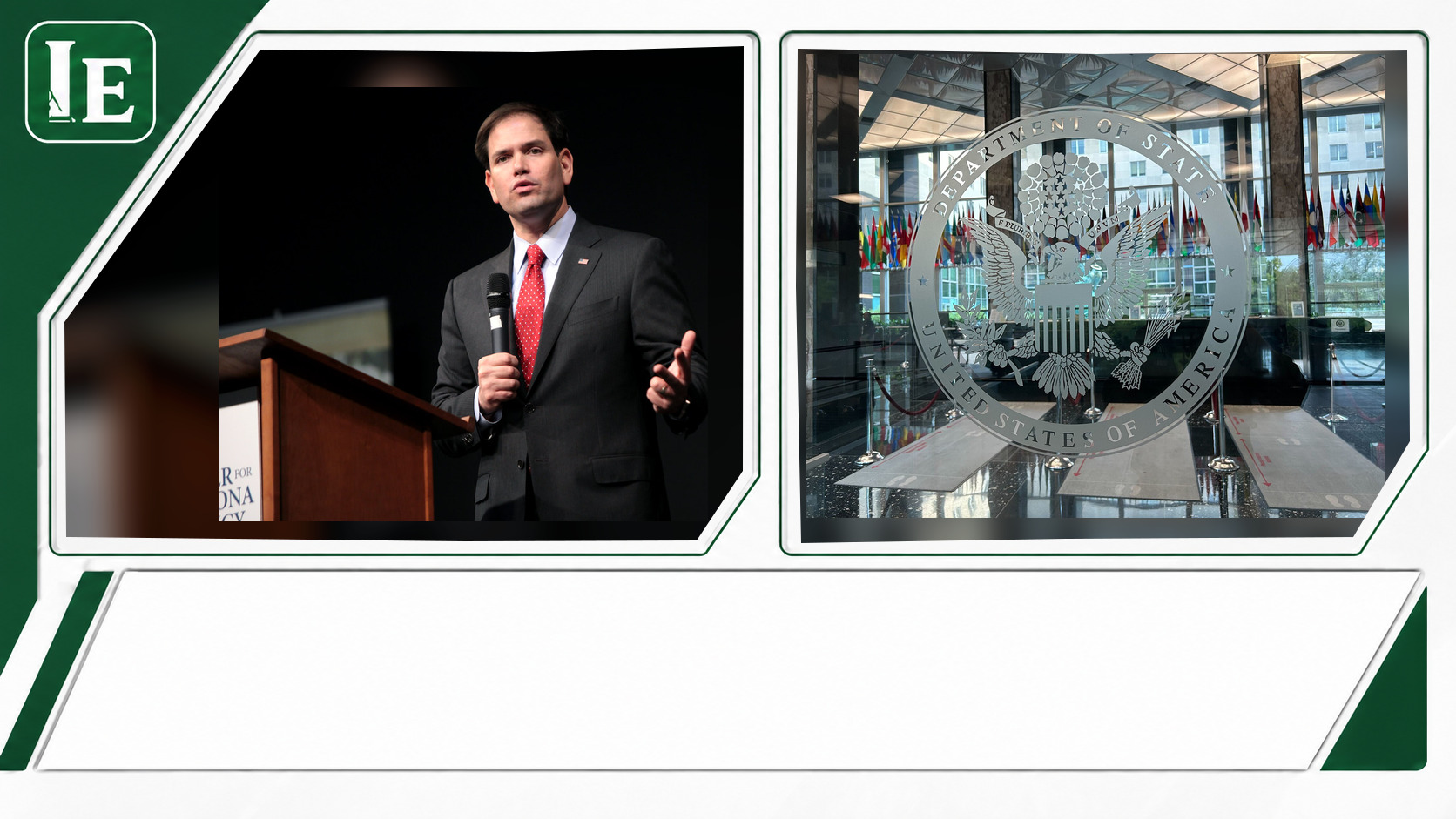
Marco Rubio announced a crackdown on so-called birth tourism on Wednesday, saying the State Department has revoked more than 600 visas in the United States’ latest effort against networks the Trump administration accuses of facilitating travel for childbirth and visa fraud. Rubio said the enforcement drive is meant to target organizers and foreign nationals accused of deception—not alter the current rule that most children born in the United States are citizens.
The announcement puts a politically charged label on a narrower legal question: when does a visitor’s planned childbirth amount to a misrepresentation in a visa application or at the border? The answer matters because being pregnant, traveling while pregnant, and giving birth in the U.S. are not themselves illegal.
A task force takes shape
Rubio said the State Department has created a Birth Tourism Prevention Task Force to investigate visa holders, identify networks that allegedly arrange these trips and pursue enforcement actions. He said the task force acted against hundreds of foreign nationals around the world in its first month.
In a statement, Rubio accused “elaborate birth tourism rings” of coaching travelers to defraud the visa system, arranging housing and travel, and in some cases forging documents. His broader message was blunt: “American citizenship is not for sale.”
The State Department has not publicly identified the countries tied to the more than 600 visa revocations or named the companies and networks it says are under scrutiny. That leaves a significant gap between the administration’s description of the problem and the public evidence available so far.
What “birth tourism” means
The term generally refers to travel to the United States primarily to give birth, with the expectation that a child born here will receive U.S. citizenship. It does not describe every birth to a noncitizen parent, every birth to an undocumented parent, or every pregnancy involving a visitor.
Colleen Putzel-Kavanaugh, an associate policy analyst at the Migration Policy Institute, told Newsweek that childbirth on U.S. soil is not inherently unlawful. The legal exposure, she said, can arise when a traveler intentionally comes to give birth and uses fraud or deception to obtain a visa, or when companies involved in arranging the trip commit crimes.
That distinction is central. A consular officer may deny a visitor visa if an applicant’s primary purpose is to give birth in the United States, particularly if the applicant cannot show that medical costs will be covered. But a pregnancy alone is not proof that someone lied about why they planned to travel.
Visa enforcement is not citizenship law
The administration’s campaign does not, on its face, change birthright citizenship. The Fourteenth Amendment has long been understood to grant citizenship at birth to nearly all children born in the United States, regardless of their parents’ immigration status.
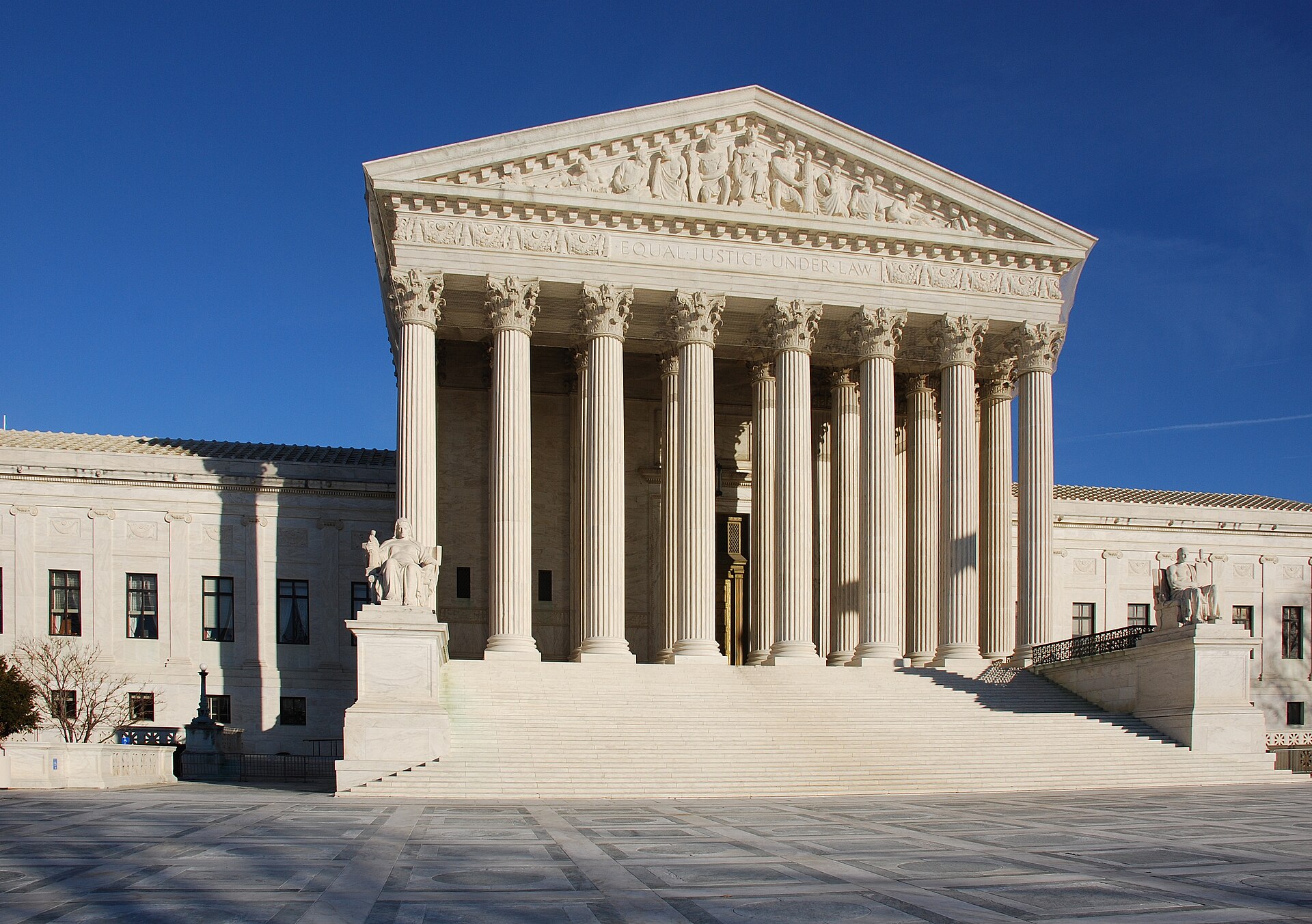
That principle was recently reinforced in Trump v. Barbara, in which the Supreme Court ruled 6-3 that children born in the United States to parents who are unlawfully or temporarily present are citizens at birth under the Fourteenth Amendment, according to the source material.
President Donald Trump had sought through a 2025 executive order to require that a parent be a U.S. citizen or permanent resident before a newborn could receive citizenship. The court’s ruling rejected that approach. As a result, the State Department’s current strategy is focused on stopping alleged fraud before entry, rather than changing a child’s citizenship status after birth.
That difference will likely shape the legal durability of the new push. Visa issuance is an area where the executive branch has substantial authority, while redefining birthright citizenship has faced major constitutional barriers.
Why the numbers need context
The administration says it has revoked more than 600 visas, but it has not released a country-by-country breakdown, case details, the types of visas involved, or the evidence used to connect individual holders to alleged birth-tourism activity. Visa revocation is consequential, but the figure alone does not establish how many cases involved organized fraud, inaccurate applications, or other grounds.
Reliable estimates of birth tourism itself are difficult to produce. Putzel-Kavanaugh noted that data on births linked to the practice can be hard to pin down. The Centers for Disease Control and Prevention has suggested that less than 1 percent of annual U.S. births may be associated with birth tourism.
Supporters of tougher enforcement argue that organized services can exploit a system designed for temporary visits. Jeremy Beck, co-president of the immigration-restriction group NumbersUSA, argued that the government should stop alleged birth tourism before travelers enter the country.
Critics and immigration researchers are likely to press a different concern: whether enforcement decisions can reliably separate deliberate deception from legitimate tourism, family visits, medical care or a pregnancy that simply continues during a trip. The public details released by the State Department will determine how clearly that line can be evaluated.
Rules have been tightening since 2020
The United States already has a policy aimed at this issue. Since 2020, consular officers have been directed to deny B visitor visas when they have reason to believe an applicant is traveling primarily to give birth in the United States to secure citizenship for a child.
That policy did not make pregnancy a disqualifier. It placed added emphasis on an applicant’s purpose of travel and ability to pay for medical treatment. The current task force appears designed to add a more coordinated enforcement layer, particularly against companies or intermediaries alleged to coach applicants or arrange fraudulent paperwork.
For travelers, the practical takeaway is straightforward: visa applications and border interviews depend heavily on truthful statements about the purpose and conditions of a trip. A visa does not guarantee admission, and false material statements can carry immigration consequences beyond the loss of a visitor visa.
What remains unanswered
Rubio has said the State Department will use all available tools to dismantle networks it believes profit from birth tourism. The next test is whether officials provide details that show how the task force selects cases, what conduct triggered the revocations and whether criminal investigations are underway against organizers.
The policy debate is also unlikely to fade. The Trump administration can intensify visa screening and investigate suspected fraud, but the Supreme Court ruling means the constitutional fight over citizenship at birth remains separate from this enforcement campaign.
For now, Rubio’s announcement marks a visible escalation in immigration enforcement around visitor visas. Its real scope will be measured less by a single revocation total than by the cases the government eventually documents—and by whether those cases demonstrate organized fraud rather than merely travel during pregnancy.
Leave a Reply