
A political commentary headline casts frustration with Donald Trump and Melania Trump as part of the same public backlash. The available material points to an important distinction: intense online criticism and a measured public-opinion trend are not the same thing.
Donald Trump and Melania Trump are both facing negative public sentiment in a political commentary framing that says people are expressing dissatisfaction with the president and with his wife, too. The central question is why criticism directed at Donald Trump is now being discussed as a shared problem for Melania Trump—and why the distinction between visible online backlash and broad public opinion matters.
The available research does not include polling that measures a single, nationwide wave of dissatisfaction with both Trumps. It does, however, show Melania Trump responding directly to false claims linking her to Jeffrey Epstein, a subject that has added another volatile layer to public discussion around the Trump family.
Criticism can spread beyond a president
First ladies are not elected officials, but they often become symbols in the political arguments surrounding an administration. That is especially true when a president has a uniquely personal political brand, a highly engaged base and equally committed critics.
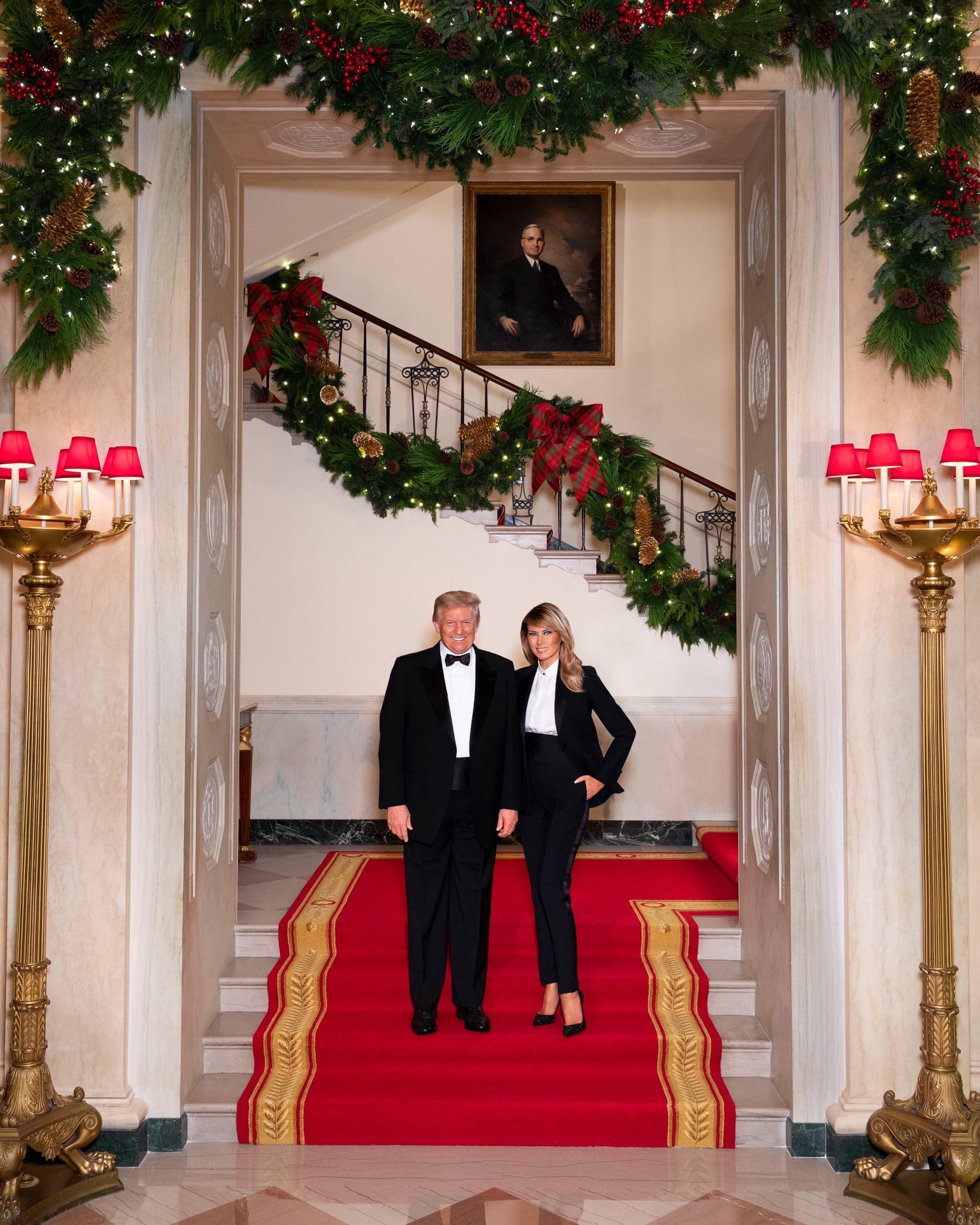
Donald Trump has long blurred the line between private family identity and public political identity. His business history, celebrity profile and family’s visibility mean that public reactions to him can quickly reach relatives who are not responsible for White House policy.
That does not mean every criticism of Melania Trump is fair, or that it reflects the views of most Americans. It means her public image can become part of the broader fight over Donald Trump’s legacy, conduct and political agenda.
Melania Trump answered Epstein claims
In an April statement published by the White House, Melania Trump forcefully rejected allegations and online material connecting her to Epstein. She said she had never been friends with him, had no relationship with him or Ghislaine Maxwell, and had no knowledge of Epstein’s abuse of victims.
She also said she first met Donald Trump at a New York City party in 1998 and first encountered Epstein at an event she and Donald Trump attended in 2000. Melania Trump said images and statements circulating online were false and warned the public to be cautious about what it believes.
The statement is significant because it shows the first lady addressing a reputational controversy personally rather than allowing it to remain an implied extension of criticism of her husband. Her position is unambiguous: she calls the allegations false, defamatory and politically motivated.
Claims involving Epstein require particular care. A viral accusation, an old photograph, a social-media post or an overlap in social circles is not proof of criminal involvement. Melania Trump said she has not been accused or convicted of a crime connected to Epstein’s sex-trafficking operation and has not appeared as a witness in related court records, depositions, victim statements or FBI interviews.
Online anger is not public opinion
The phrase that people are “sick” of Donald Trump and Melania Trump is emotionally clear, but it is not a polling result. It is an interpretation of public mood, likely shaped by social-media reactions, political commentary and the unusually high level of attention surrounding the Trumps.
That distinction matters. Online platforms reward sharp language, repeat conflict and elevate the most engaged participants. A heavily shared criticism may demonstrate that a topic has become culturally resonant; it cannot, by itself, establish what a representative cross-section of voters believes.
A more reliable assessment would require recent polling that asks separate questions about Donald Trump and Melania Trump, identifies the wording used, reports sample size and explains the margin of error. None of that evidence was included in the supplied material.
There are also competing interpretations. Critics may see Melania Trump’s response as part of a broader effort to protect the Trump family brand. Supporters may see it as a necessary correction to damaging misinformation. Both reactions can coexist, and neither should be mistaken for a definitive national consensus.
The first lady has a separate role
Melania Trump’s relationship to public controversy is complicated by her role. She is a public figure with access to the White House platform, but she is not the president and does not make executive decisions. Scrutiny of her conduct, statements and advocacy is legitimate; treating her as automatically accountable for every dispute involving Donald Trump is a different proposition.
Her April statement tried to draw that boundary. It rejected personal allegations while also calling for greater transparency and for survivors of Epstein’s abuse to have an opportunity to testify publicly before Congress if they wish.
That combination is politically notable. It places a personal defense alongside a call to center victims, rather than simply denying the claims and ending the matter. Whether that changes skeptical minds is unclear, particularly in an environment where many audiences already distrust opposing political institutions and media sources.
What remains unproven
The available record supports a narrower conclusion than the headline-style rhetoric suggests: Donald Trump and Melania Trump are both subjects of intense public discussion, and criticism of one can spill into perceptions of the other. Melania Trump has publicly disputed specific allegations about her own connection to Epstein.
What remains unclear is the scale and durability of any shared negative sentiment. There is no supplied independent survey showing that most Americans, or even a defined bloc of voters, are dissatisfied with Melania Trump because of Donald Trump.
That uncertainty should not erase the political reality. For a White House family whose name functions as a political brand, personal reputation and presidential politics are difficult to separate. It does mean the strongest claims about public backlash deserve evidence beyond the loudest corners of the internet.
Leave a Reply