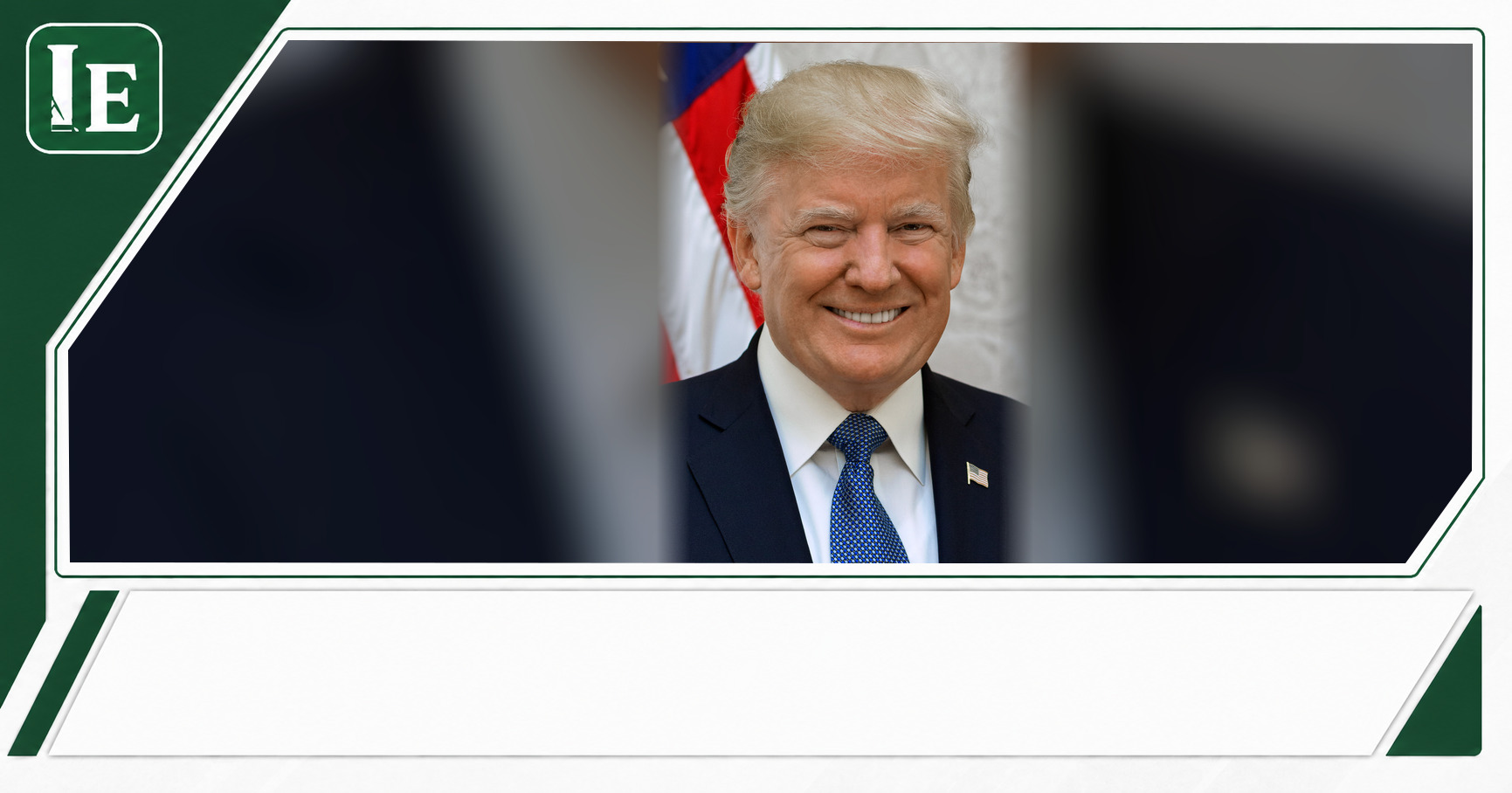
The administration sees imported beef as a near-term supply tool. Cattle producers and some rural-state Republicans say the proposal could weaken the incentives needed to rebuild U.S. herds.
Donald Trump wants to import more beef from Argentina and quadruple U.S. beef purchases from the country as his administration seeks to lower high U.S. beef prices. But it remains unclear whether lower import costs would translate into lower prices at grocery stores, or how quickly that could happen.
That uncertainty has put the proposal at the center of a dispute involving consumers, ranchers and Republican lawmakers from cattle-producing states. On October 22, 2025, rural-state Republicans publicly challenged the plan, warning that an effort to help shoppers could come at the expense of American cattle producers.
The consumer-price promise has limits
The White House’s case for the plan is based on adding supply while domestic cattle supplies are constrained. Imported Argentine beef could give processors and retailers another source of product for ground beef, steaks and roasts.
More supply could, in principle, provide some relief to households facing higher food bills. Yet retail prices are also shaped by processing capacity, transportation, wholesale agreements and retailer pricing decisions.
The administration had not publicly detailed how much of any lower import cost would reach consumers or the timeline for any effect. As a result, the proposal is not a simple or guaranteed route to cheaper beef at the store.
Speaking in the Oval Office on October 22, Trump said beef was the major cost still rising and said his administration would act quickly to bring prices down.
One Republican says imports would barely register
Not every Republican views increased Argentine imports as a major threat to domestic producers. Sen. Roger Marshall, a Kansas Republican, told USA Today that Americans would not feel the effect even if imports from Argentina rose to 10 times their current level.
Marshall said there would still be substantial demand for American beef. That view rests on the idea that Argentina’s contribution would remain small relative to the size of the U.S. beef market.
It also aligns with the administration’s position that consumer relief and support for ranchers do not necessarily have to conflict. The competing view is that even a limited increase in imports could affect the market signals ranchers use when deciding whether to expand their herds.
Ranchers focus on the rebuilding decision
Cattle groups have argued that stronger cattle prices can be vital to sustaining ranching operations and giving producers confidence to add cattle. Rebuilding a herd takes time, grazing land, feed, water and a belief that future market conditions will justify the cost and risk.
Critics of the import plan say lower prices caused by expanded imports could weaken that incentive. Their argument is not only about foreign competition, but also about whether the government should attempt to manage prices in a market where producers need to respond to demand.
Colin Woodall, chief executive of the National Cattlemen’s Beef Association, called on Trump to abandon what he described as an effort to manipulate markets if the president wants to remain an ally of cattle producers.
Some critics have used the phrase “worse than socialism” to characterize government intervention in the cattle market. They contend that the country’s supply problem should be addressed through more domestic production rather than greater reliance on foreign beef.
Republicans from cattle states press Trump to reconsider
On October 21, a group of House Republicans from rural states including North Dakota and Montana sent a letter to Trump and Agriculture Secretary Brooke Rollins raising concerns about the potential imports.
Sen. Mike Rounds, a South Dakota Republican, said he discussed the matter with Trump and Rollins at the White House. Rounds compared the beef debate with domestic energy production, arguing that energy prices have benefited from producing more at home instead of relying on overseas supply. He said U.S. beef should be approached similarly.
Sen. Deb Fischer, a Nebraska Republican, told USA Today that she had “deep concerns.” The issue carries particular weight in states where cattle production is a major part of the economy.
The pushback is a rare public divide between Trump and members of his own party. The lawmakers generally agree that beef should be affordable and that American ranching matters; they differ over whether imports are a useful short-term supply tool or a setback for domestic production.
Support steps do not settle the dispute
As criticism increased, federal agencies announced measures intended to support the U.S. beef industry, including efforts to speed deregulation and encourage new ranchers. Rollins said the administration was protecting the industry while seeking to incentivize people to enter ranching.
The approach seeks to address two timelines at once: bringing down prices in the near term while strengthening domestic production over the longer term. Whether it can do both remains unclear.
Beef prices have become a visible grocery-budget concern. The Agriculture Department reported an average retail beef price of $9.69 a pound in July 2025, roughly $1 more than a year earlier and $3.60 more than in 2019, according to USA Today’s reporting. Some restaurants have shifted more attention to chicken and pork because they fear customers will resist higher beef prices.
Drought and other pressures have reduced the U.S. cattle herd to its smallest level in decades, limiting availability even as demand remains strong. For now, the unresolved question is whether Argentine purchases can ease those consumer costs without discouraging the ranchers needed to rebuild the domestic herd.
Leave a Reply