The courtroom fight has shifted from what juries decided to what happens to the money while appeals continue. The answer could affect how quickly major civil verdicts become enforceable in practice.
Donald Trump is trying to claw back money tied to E. Jean Carroll’s jury awards, and E. Jean Carroll’s lawyers are opposing Trump’s attempt to recover the payments in Manhattan federal court. The dispute concerns the $5 million and $83.3 million judgments in Carroll’s New York cases — $88.3 million total — while appeals continue.
The Trump clawback bid puts Carroll’s million-dollar jury awards back before the court in a narrower but still consequential way. The issue now is not a fresh trial of the underlying allegations, but whether Trump can unwind or preserve a path to recover money if later appellate rulings change the legal landscape.
The fight has moved to enforcement
After two headline-making verdicts, the Carroll litigation has entered a phase that can matter just as much as the verdict itself: enforcement. A jury award is one thing. Collecting it, keeping it, or protecting it during appeal is another.
According to The Independent, Carroll’s attorneys are opposing Trump’s effort to claw back payments connected to the case. Their position is that juries have already decided the core issues and that the judgments should not be treated as endlessly provisional simply because Trump continues to challenge them.
Trump’s side is pressing a different concern. If a higher court later narrows or overturns part of the judgments, Trump wants a legal route to recover money he argues Carroll should not be allowed to keep.
That is why the dispute is procedural but not minor. The court’s handling of the money could determine whether the verdicts have immediate force or remain partly suspended by the appellate process.
Two awards, separate legal tracks
The $88.3 million total comes from two related but distinct proceedings in New York.
The $5 million verdict came from a 2023 Manhattan federal jury. That jury found Trump liable for sexually abusing Carroll and defaming her, while not finding that he raped her under New York’s legal definition of rape. Trump has denied wrongdoing and has continued to contest the result.
Reuters previously reported that a judge said Carroll could collect the $5 million award, rejecting Trump’s push to block collection while pointing to his continuing appellate efforts.
The larger $83.3 million award came in a separate defamation trial over Trump’s 2019 statements after Carroll publicly accused him. In that trial, the judge instructed jurors to determine damages based on earlier liability findings, and the jury returned an award meant to address reputational harm and punishment.
Why Trump wants clawback protection
A clawback argument is built around a practical question: what happens if money changes hands and the judgment later changes?
In civil litigation, a defendant who pays or secures a judgment during an appeal may seek restitution if the judgment is reversed. Courts can also decide whether payment should be delayed, whether a bond sufficiently protects the winning party, or whether a plaintiff can collect while appellate review continues.
Trump posted a bond of more than $90 million while appealing the $83.3 million verdict, according to earlier Associated Press reporting carried by PBS. Bonds are commonly used to protect a judgment while an appeal proceeds, but they do not eliminate disputes over timing, control and possible recovery.
Carroll’s side is emphasizing the other half of the equation. From her lawyers’ perspective, verdicts and judgments are meant to have real consequences after full trials, not become bargaining chips that can be delayed indefinitely by continued appeals.
The Supreme Court adds uncertainty
The fight also has a Supreme Court thread, though that does not mean the high court has sided with Trump or agreed to decide the merits.
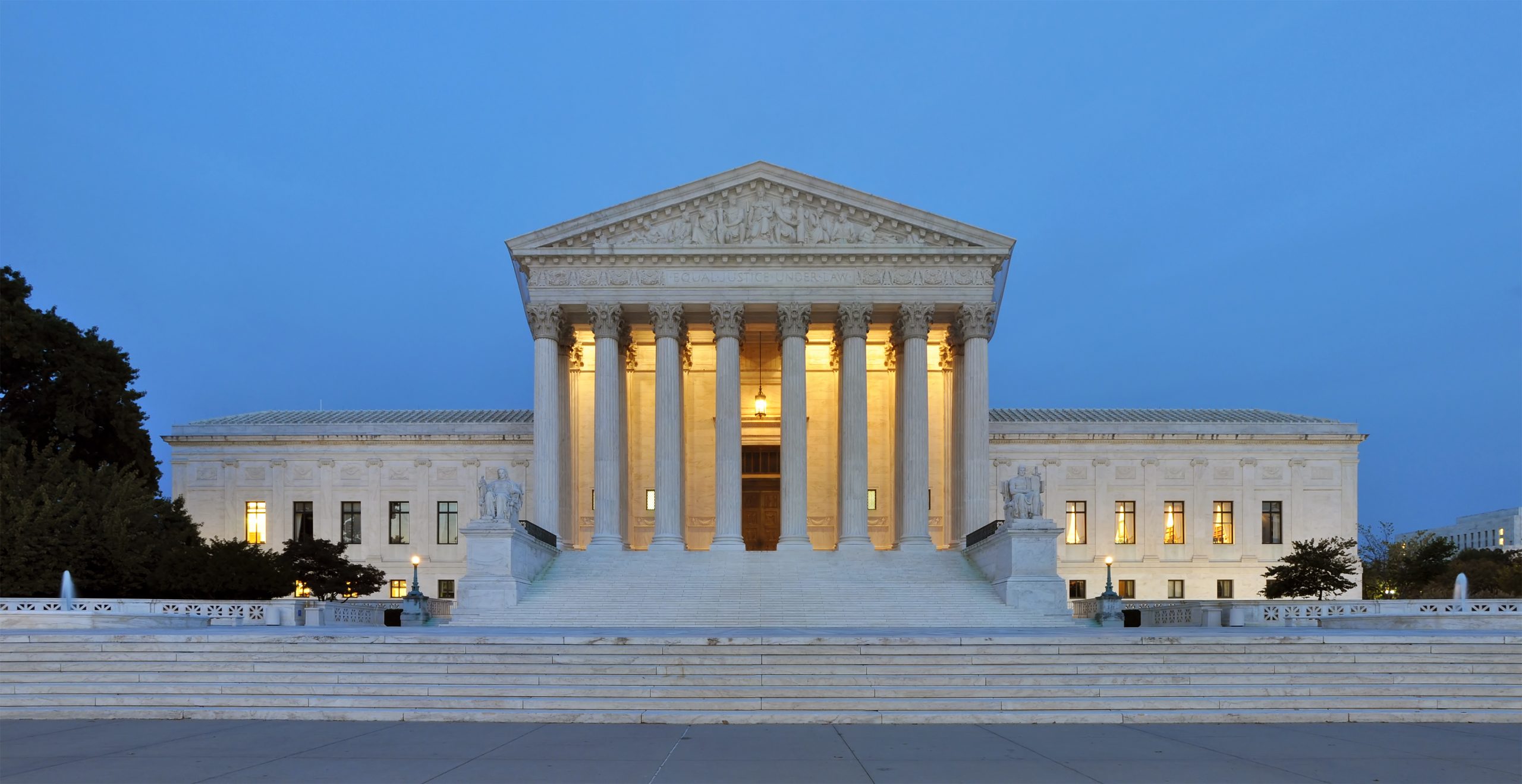
The court’s public docket lists a case titled Donald J. Trump, President of the United States, Petitioner v. E. Jean Carroll, docketed on November 13, 2025, as No. 25-573. The docket entry shows that the dispute has reached the nation’s highest court in some form.
For Trump, that helps support the argument that appellate activity remains live and that he should preserve options if the judgments are disturbed. For Carroll’s lawyers, pending filings are not the same as a reversal, and lower-court judgments remain enforceable unless a court orders otherwise.
That distinction is central. The current money fight is not about asking jurors to revisit every fact from the trials. It is about what courts do when a case has jury verdicts on one side and still-active appeals on the other.
What the court must weigh
Manhattan federal court is being asked to balance two competing risks.
One risk falls on Carroll: if payment or enforcement is slowed after years of litigation and multiple jury findings, the awards could lose force in practice. Civil judgments are meant to compensate plaintiffs and, where applicable, punish or deter wrongful conduct.
The other risk falls on Trump: if money is paid out and then a later court changes the result, he could argue he has been deprived of funds that should have been returned. That is the reason courts use tools such as stays, bonds and restitution claims.
The politics surrounding Trump make the case unusually visible, but the underlying mechanics are not unique to him. Large civil verdicts in defamation, personal injury, corporate and other cases often produce fights over collection while appeals are pending.
What remains undecided
The immediate question is whether Trump can recover any money, or at least keep a clear route open to do so, if future rulings go his way. Carroll’s team is trying to block that path and keep the judgments moving toward final enforcement.
It is also unclear how quickly the remaining appellate steps will unfold. The Supreme Court docket adds attention but not certainty. The court could decline further review, ask for more briefing or take action affecting only part of the litigation.
For now, the Carroll cases show how civil litigation can continue long after juries announce damages. Carroll has jury awards totaling $88.3 million across two trials. Trump has denials, appeals and arguments for recovery if the legal ground shifts.
The next rulings are likely to be procedural rather than theatrical. But they will decide something with real consequences: whether the money awarded to Carroll can remain with her, or whether Trump can claw some of it back if later courts alter the judgments.
Leave a Reply