The name of a Great Lake is now part of a broader dispute over tariffs, cross-border commerce and the fraying relationship between Washington and Ottawa. A U.S. naming change would not require Canada—or the public—to adopt it.
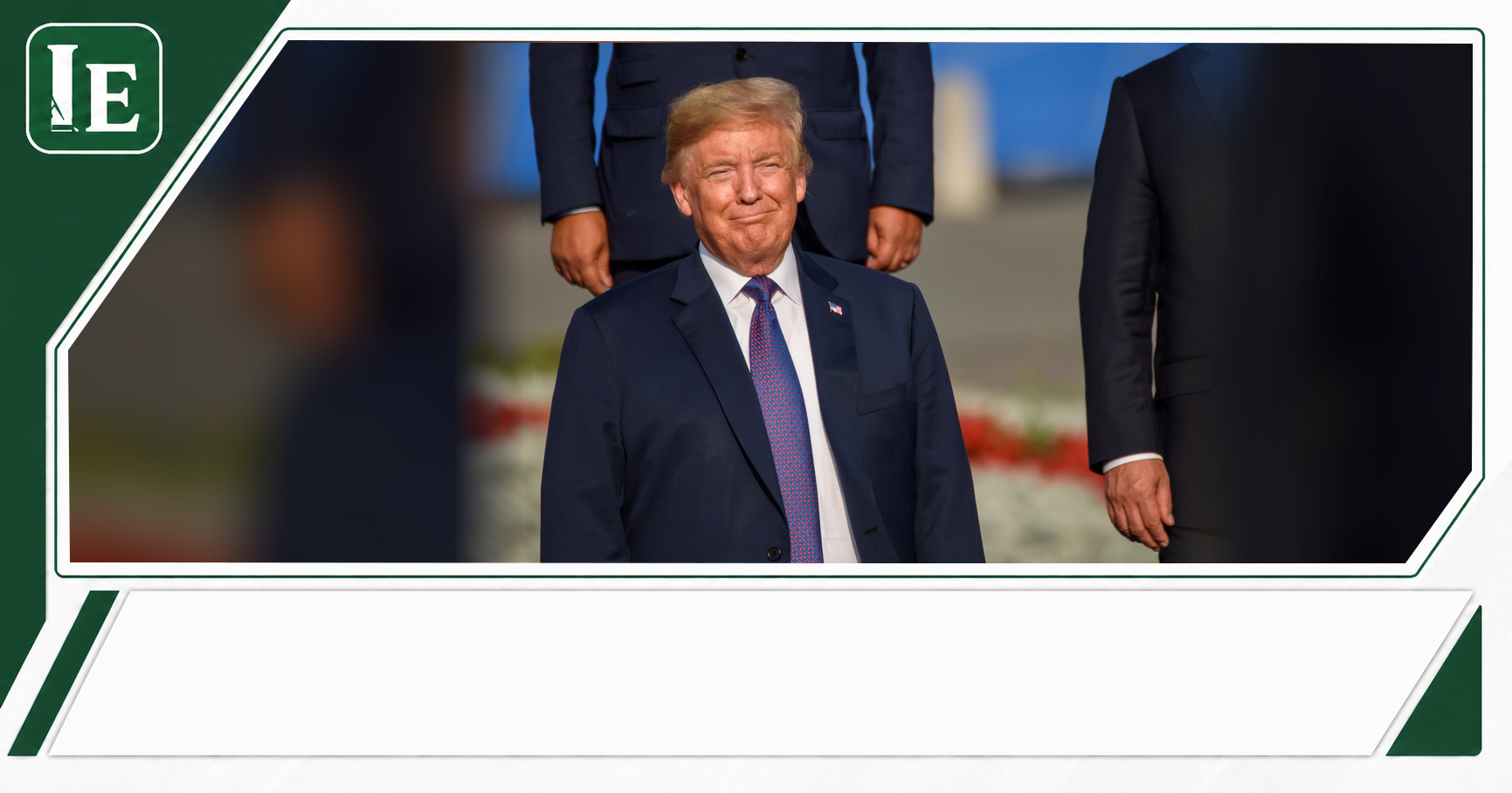
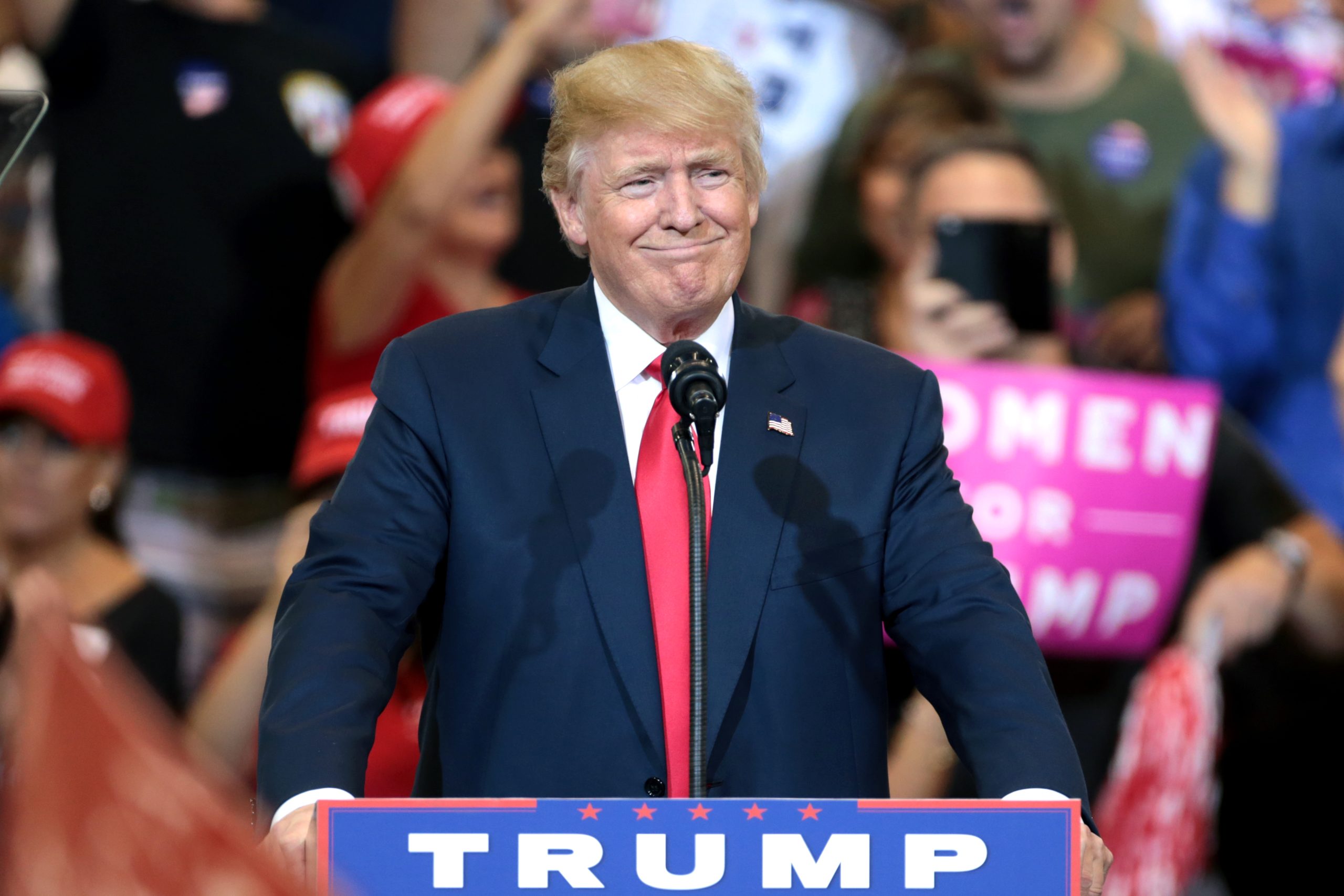
Donald Trump said Tuesday he was considering changing the name of Lake Ontario to “Lake America,” a proposal that came amid an escalating trade conflict between the United States and Canada. The idea prompted swift backlash in Canada and renewed attention on a basic question: what power does a U.S. president actually have over the name of a lake both countries share?
Trump tied the proposed name change to strained business ties with Ontario. But Lake Ontario is not a U.S.-only landmark, and changing how the federal government labels it would be very different from making “Lake America” the accepted name on both sides of the border.
Trump links a lake to trade
Trump raised the idea in a Truth Social post, writing that the United States was giving “serious consideration” to changing Lake Ontario’s name because it did not expect to do much business with Ontario any longer, according to reporting by Reuters, The New York Times and The Associated Press.
The remark arrived as the trade dispute between the neighboring countries intensified. AP reported that the Trump administration had imposed 50% tariffs on $20 billion worth of Canadian goods over the weekend after negotiations broke down, adding to tariffs imposed in 2025.
Trump also threatened new 50% tariffs on Canadian vehicles, auto parts and steel, AP reported. Canadian Prime Minister Mark Carney was scheduled to announce reciprocal tariffs on U.S. imports, and said U.S. demands appeared aimed at damaging major Canadian industries, including autos, steel and aluminum.
The renaming message therefore landed as political rhetoric inside a fight with tangible consequences for manufacturers, farmers, retailers and workers whose supply chains cross the border repeatedly.
A shared lake complicates the claim
Lake Ontario is the easternmost Great Lake. Its northern shore is in Canada, while its southern shore is in New York State; the international boundary runs through the water.
That geography makes the proposal fundamentally different from changing the name used for a feature wholly within the United States. The lake helps form a major part of New York’s shoreline and sits beside one of North America’s busiest economic corridors.
Ontario is also a crucial commercial partner for the United States. AP noted that it is the single largest export destination for more than a dozen U.S. states. Toronto, Canada’s largest city, is in the province named for the lake.
For critics, that context made the proposal look like an unnecessary provocation at a time when both countries have reasons to contain the damage from the tariff dispute. Supporters of Trump’s broader approach may see a symbolic gesture as consistent with his insistence on tougher terms for U.S. trade relationships. Either way, a social-media proposal does not erase the lake’s binational reality.
What Washington could actually change
Trump has significant influence over how the U.S. government refers to geographic features in federal documents, maps and communications. That is the practical power behind his earlier push to use “Gulf of America” in place of “Gulf of Mexico” for U.S. government purposes.
But a federal preference is not the same as universal control over a name. Canada could continue calling the water Lake Ontario, as could provincial governments, mapmakers, schools, news organizations, businesses and residents in either country.
There is no single global authority that can simply impose a new name for every international body of water. The International Hydrographic Organization, whose members include the United States and Canada, works on consistent surveying and charting of seas and navigable waters. It does not function as a one-person naming authority for all shared lakes.
Any U.S. move could consequently create parallel labels: “Lake America” in some federal U.S. materials and Lake Ontario in Canadian and many international references. That kind of split would be confusing, but it would not be unprecedented in the world of disputed or politically charged place names.
The name has a longer history
Lake Ontario’s name predates both modern countries. AP reported that it comes from the Huron Indigenous word oniatarí:io, commonly translated as “lake of shining waters.”
The province of Ontario, founded in 1867, took its name from the lake. That history is part of why the proposed replacement drew a sharp response: it is not merely a label on a modern map, but a name embedded in Indigenous language, regional identity and Canadian geography.
Trump’s choice of “Lake America” also echoes his use of “Gulf of America,” making it part of a wider effort to apply an America-first frame to major geographic names. Critics view that approach as political branding. Backers may argue that governments are entitled to decide their own official terminology.
The important limit is that official terminology has its greatest force inside the government that adopts it. It has much less force where another sovereign country, or the public at large, declines to use it.
Canadian reaction centers on the fallout
Canadians quoted by AP dismissed the proposed name change, with residents expressing frustration that trade tensions had spilled into a symbolic fight over a shared landmark.
Ontario Premier Doug Ford called the threat “a lot of rhetoric” and urged the two countries to return to negotiations. In a CNN interview cited by AP, Ford acknowledged that the dispute had become personal and said it was time to lower the temperature because the trade conflict was hurting both sides.
That response highlights the split between the immediate headline and the larger issue. The proposed name can dominate attention because it is memorable, but tariffs, retaliation and uncertainty over trade rules carry the more direct economic stakes.
There is also a public-relations cost. The United States and Canada have long had closely integrated economies and cultural ties, particularly in border regions. A dispute over a shared lake can become shorthand for how badly that relationship has deteriorated.
The next test is implementation
Trump’s statement described the change as under consideration, not as a completed action. It remains unclear whether the White House will issue a formal instruction affecting federal maps, agency references or other official U.S. records.
It is also unclear whether any naming action would be accompanied by a specific legal process or simply a directive on federal usage. Those details matter because they would determine how broadly the new term could appear in U.S. government materials.
Canada is not obliged to recognize a U.S. naming preference for a shared lake, and neither country can readily compel ordinary people to replace a name that has been in use for centuries. The most likely near-term effect is not a universally renamed Great Lake, but another highly visible symbol of a trade conflict still searching for an off-ramp.
Leave a Reply