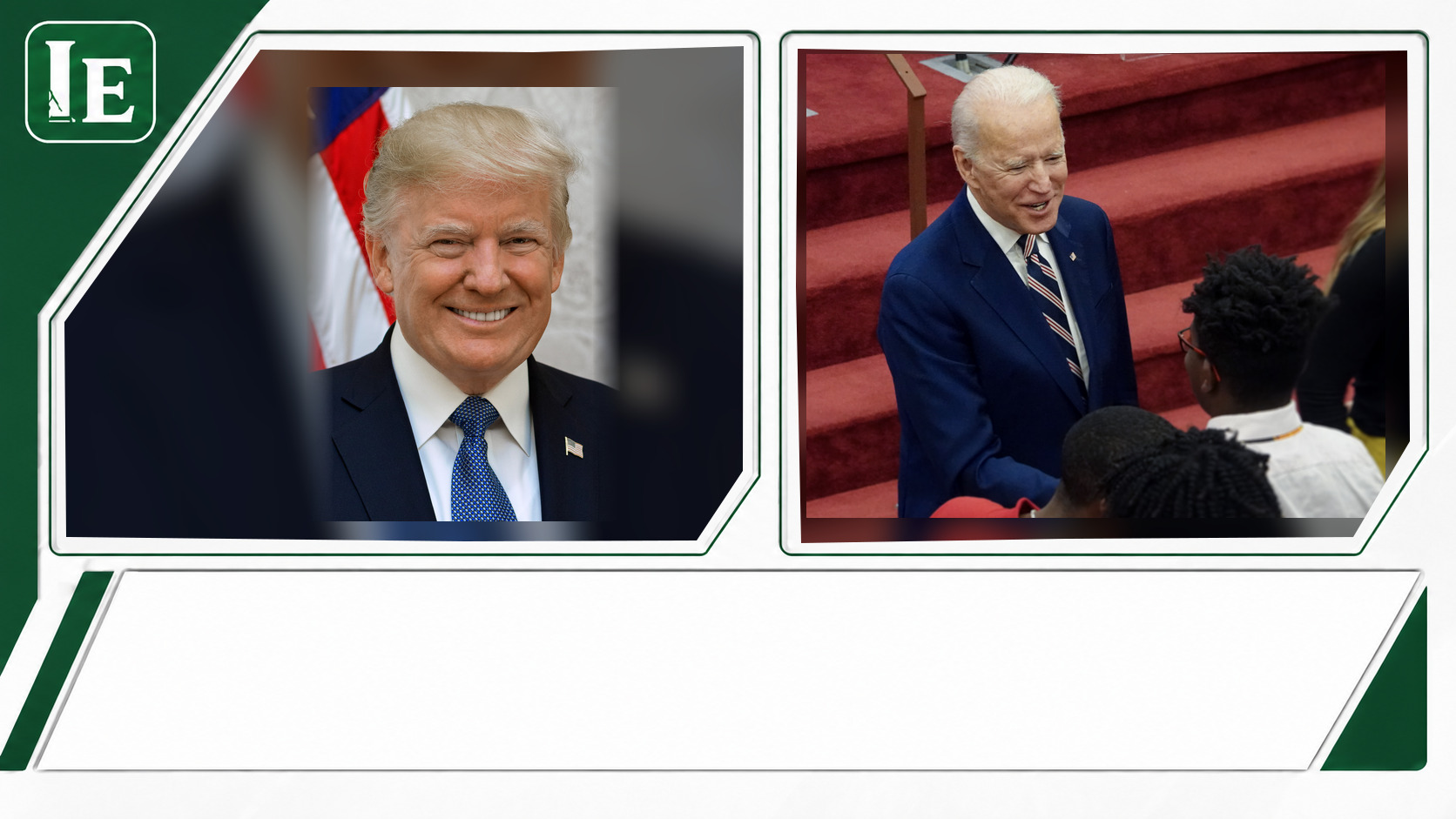
Trump’s argument that he inherited a weak economy has sharpened a larger question about the presidency: when does explaining the past stop being enough? The answer matters because inflation and economic confidence are felt in everyday household decisions.
Donald Trump is blaming Joe Biden for inflation and economic concerns more than 18 months after Biden left office, reviving the debate over presidential accountability. Trump says Biden left behind a weak economy and still-high inflation; critics argue that a sitting president cannot indefinitely place today’s frustrations on a predecessor.
The dispute is not only about Trump and Biden. It is about how voters assign responsibility for economic problems that take years to develop — and what they should expect from a president who says the trouble was inherited.
Why inflation makes the argument powerful
Economic language can land more forcefully than many Washington policy disputes because it is tied to daily life. Grocery bills, rent, job security, borrowing costs and the feeling that a paycheck no longer goes as far all shape how people judge the economy.
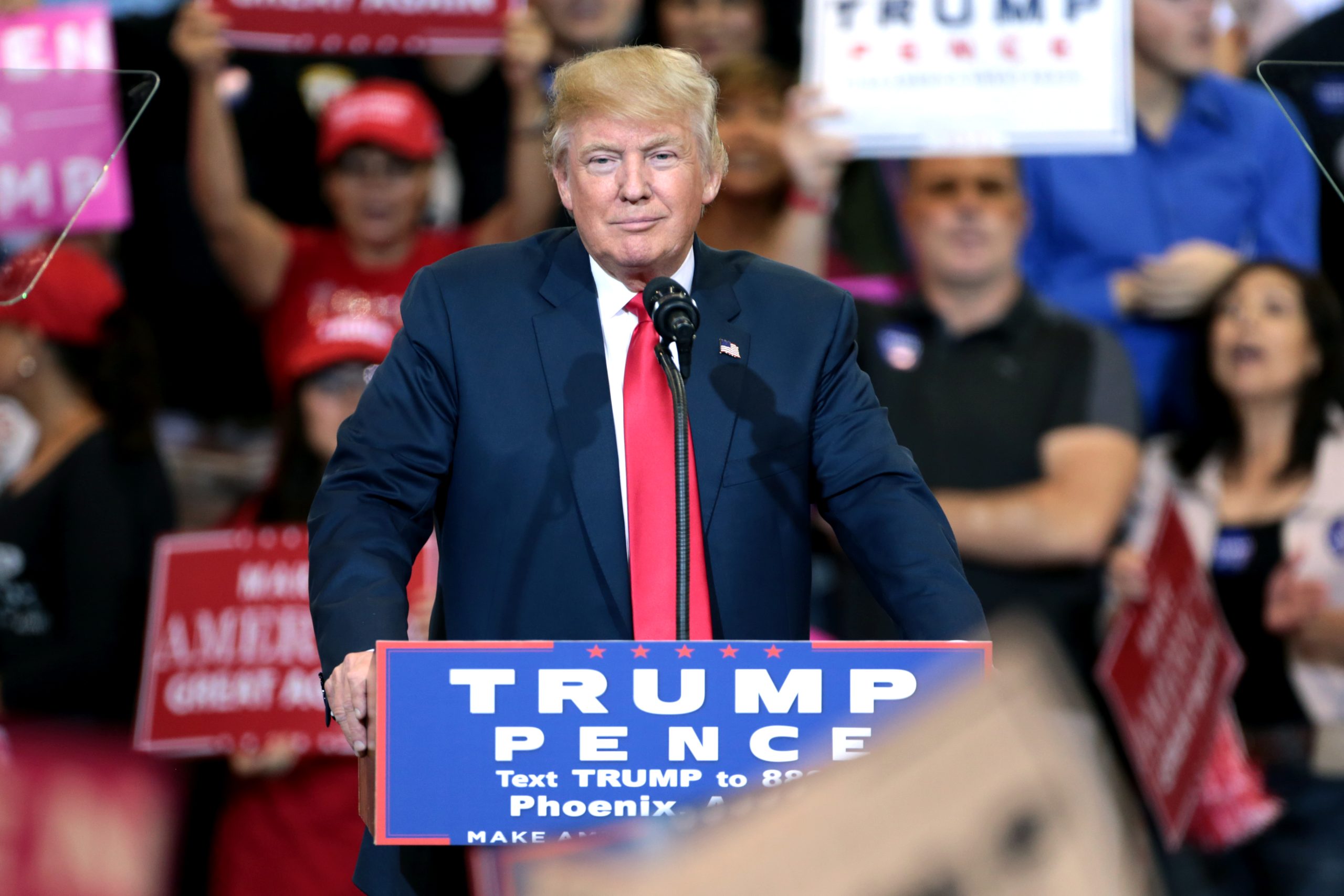
For Trump, attributing those concerns to Biden provides a direct explanation for lingering public frustration. As summarized in a Washington Post report published August 15, Trump has said Biden saddled him with a weak economy and persistently high inflation, despite Trump’s earlier promise of a quick turnaround.
That message has an understandable appeal. People often experience the economy through prices and financial pressure, not through a detailed account of how legislation, energy markets or monetary policy interact over time.
But an explanation of where a problem began is different from an explanation of how it will be addressed. That distinction is at the heart of the current accountability debate.
The White House does not control everything
A fair assessment of either Trump or Biden has to start with a basic limit: presidents do not personally create, or personally solve, every economic condition. Inflation is not controlled by a single switch in the Oval Office.
Prices can be affected by earlier laws, supply disruptions, global energy costs, business decisions, consumer confidence and interest-rate policy. The president also does not directly set the Federal Reserve’s interest rates.
Those realities mean it can be factually plausible for a president to say that a predecessor’s policies or conditions still matter. Economic effects can be delayed, and some outside pressures may outlast any administration.
Yet limits on presidential power do not erase presidential responsibility. An administration still chooses which policies to pursue, which tradeoffs to accept, what actions to seek from Congress and what results to promise the public.
More than 18 months changes the test
The more-than-18-month period since Biden left office gives the argument added political weight. It does not establish a fixed deadline after which every inherited problem belongs solely to the current president. No neutral clock can settle that question.
It does mean that voters can increasingly evaluate the administration’s own choices. By this point, an administration has had time to set priorities, take executive action, appoint officials, negotiate with Congress and make its case for how its approach will improve conditions.
Trump supporters may view his references to Biden as an accurate account of the difficult hand he inherited. From that perspective, earlier policies and conditions do not vanish simply because a new president takes office.
Critics see a different risk: a president using the previous administration as a continuing shield from the ordinary consequences of governing. The central question is not whether Biden-era decisions can still have effects. It is which present-day outcomes are constrained by the past and which reflect decisions being made now.
Credit and blame rarely match
Presidents of both parties have incentives to claim credit when economic indicators improve, even when those results have several causes. The same incentives can encourage leaders to emphasize outside forces, previous administrations or other institutions when conditions are unfavorable.
That pattern is not unique to Trump, though assigning blame has been a prominent feature of his public political style. A National Archives transcript from January 2020 illustrates the approach during Trump’s first term.
At a White House event for the U.S.-China phase-one trade agreement, Trump said he did not blame China for the trade imbalance. Instead, he blamed “the people that stood here before me” and prior presidents.
The point carried a substantive case as well as a political one: trade relationships can take decades to form, and presidents inherit them. Still, the example shows how Trump has often framed current challenges through the decisions of earlier officeholders.
What accountability can look like
The sharpest issue is not whether Trump can identify decisions by Biden that he believes helped create economic problems. It is whether that claim answers the separate question of what Trump’s administration will do about them.
Voters do not have to treat responsibility as all or nothing. They can recognize inherited conditions while also judging the incumbent president on the response: the agenda, the policy choices, the risks accepted and the evidence that those decisions are helping or hurting.
A broad claim that a predecessor caused inflation or economic weakness also leaves important details unresolved. It does not, on its own, show which specific policies produced which effects, when those effects occurred or how much of the outcome was driven by forces beyond Washington.
The old idea that “the buck stops here,” associated with President Harry Truman’s desk sign, was never a claim that one president causes every national problem. It expressed a different expectation: a president may inherit difficult conditions, but cannot hand off accountability for responding to them. Trump’s continued attacks on Biden make that expectation newly visible — and put the burden on the White House to connect its promises to real-world results.
Leave a Reply