The result gave an unusual primary contest a national political dimension: a little-known candidate who had paused his campaign beat a rival backed publicly by President Donald Trump. It also raises fresh questions about how far a presidential endorsement can carry a candidate in a competitive local race.
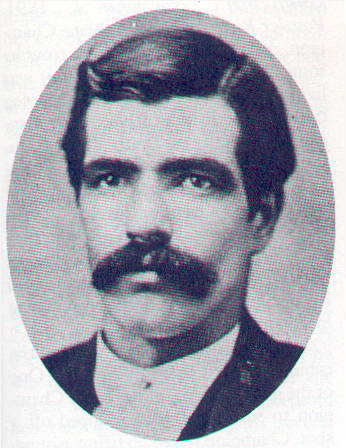
Donald Trump’s endorsed candidate Amir Hassan lost the Republican primary in Michigan’s 8th Congressional District on August 5, 2026, to Thomas J. Smith, a rival who had suspended his campaign last month. Smith’s projected victory over Hassan was a setback for Trump, who endorsed Hassan in June and appeared with him at a July 27 event in Milford, Michigan.
The result stands out because Hassan entered the race with the kind of national support many candidates seek, while Smith had stepped back from active campaigning. It is a reminder that a presidential endorsement can reshape a contest, but cannot always settle one.
Smith’s win defied expectations
Smith was projected to defeat Hassan in Tuesday’s Republican primary despite having suspended his congressional campaign. NBC News described Smith as a political unknown who had raised almost no money before the contest.
That contrast is central to why the outcome drew attention. Hassan had a visible ally in the president, while Smith had apparently stopped campaigning in the conventional sense only weeks before voters went to the polls.
The available reporting does not establish exactly why Smith suspended his campaign, what campaign activity continued afterward, or whether the final margin reflected a broader anti-Hassan vote. Those distinctions matter as results are finalized and the candidates’ teams explain the race.
Trump gave Hassan a public boost
Trump endorsed Hassan in June, according to The Washington Post, and rallied with him the week before the primary. At the Milford event on July 27, Trump promoted the Navy veteran as a strong candidate with the potential to help Republicans flip a battleground seat.
An endorsement from a sitting president can bring national attention, volunteer interest, media coverage and a clear signal to partisan voters. In a primary, it can also give a lesser-known candidate an immediate credential among voters who value party loyalty and Trump’s political judgment.
Hassan had those advantages heading into the vote. The projection for Smith does not mean endorsements have lost their value across the board. It does show that an endorsement is not a substitute for the local conditions that decide a congressional primary.
Why a suspended candidate stayed viable
Suspending a campaign is not always the same thing as formally leaving a ballot. Candidates may halt fundraising, advertising or events while remaining eligible for votes, depending on election rules and the steps they take to withdraw.
That can create an odd but consequential situation: a candidate who is no longer mounting an active public campaign may still be the preferred choice for voters who know the name, dislike the alternatives or want to register a protest.
Smith’s projected victory makes those mechanics newly relevant. The reporting available so far says he suspended his campaign last month, but it does not fully explain the status of his ballot access, the scale of any residual campaign operation or whether outside groups played a meaningful role.
Those unanswered details will shape whether this is remembered as a one-off ballot quirk, a sign of dissatisfaction with Hassan, or a broader warning about assuming a late endorsement can overcome a race’s existing dynamics.
A local race with national meaning
Michigan’s 8th Congressional District was described by The Washington Post as a key battleground seat, putting the primary in a larger fight over control and political influence. That helps explain why Trump invested personal attention in Hassan’s candidacy.
For Trump, the immediate consequence is straightforward: the candidate he chose did not win the Republican nomination. Critics will portray the result as evidence that his endorsement can be beaten, particularly when a race has local currents that national figures cannot fully control.
Supporters of Trump can reasonably argue that one congressional primary does not measure his wider standing with Republican voters. Primaries differ sharply by district, candidate quality, turnout and timing, and a single result is a poor basis for broad claims about an entire electorate.
Still, defeats are politically revealing because they expose where advantages failed to translate into votes. Hassan’s loss is especially striking because Smith was not simply a better-funded rival running a full-scale campaign; he was a candidate reported to have suspended his effort.
The campaign lessons now in view
The race offers a caution for candidates who lean heavily on high-profile endorsements. A national figure can put a candidate on voters’ radar, but the endorsement must connect with a durable local organization, a persuasive message and an electorate willing to follow the cue.
- Visibility is not the same as turnout: A rally can generate attention without guaranteeing enough votes on primary day.
- Ballot status matters: Candidates who suspend campaigns can remain consequential if their names stay available to voters.
- Local factors can override national narratives: District-level concerns, candidate perceptions and voter familiarity may matter more than outside expectations.
There is also a practical question for Republicans in the district: how Smith will proceed after winning a primary he had suspended. The available reports do not yet answer whether he will reactivate a full campaign operation, how party leaders will respond or what resources he can assemble for the general-election phase.
What remains unclear after Tuesday
The projected result settled the central primary contest, but not every question around it. Final vote totals, certification details and fuller accounts from both campaigns will be needed to assess the margin and the forces that produced it.
It is also unclear whether Hassan’s loss will alter Trump’s approach to endorsements in contested House races. The president’s backing remains a prized asset for many Republican candidates, yet the Michigan result gives opponents a ready example of a case in which it did not prove decisive.
For now, the clearest fact is the simplest one: Thomas J. Smith, who suspended his campaign, was projected to beat Amir Hassan, the candidate Trump publicly endorsed and rallied for. In a race expected to showcase presidential influence, Michigan voters delivered a different outcome.
Leave a Reply