The debate is not simply about whether Donald Trump can play golf. It is about how scores and titles are documented when a public figure’s sporting record becomes part of a broader political image.
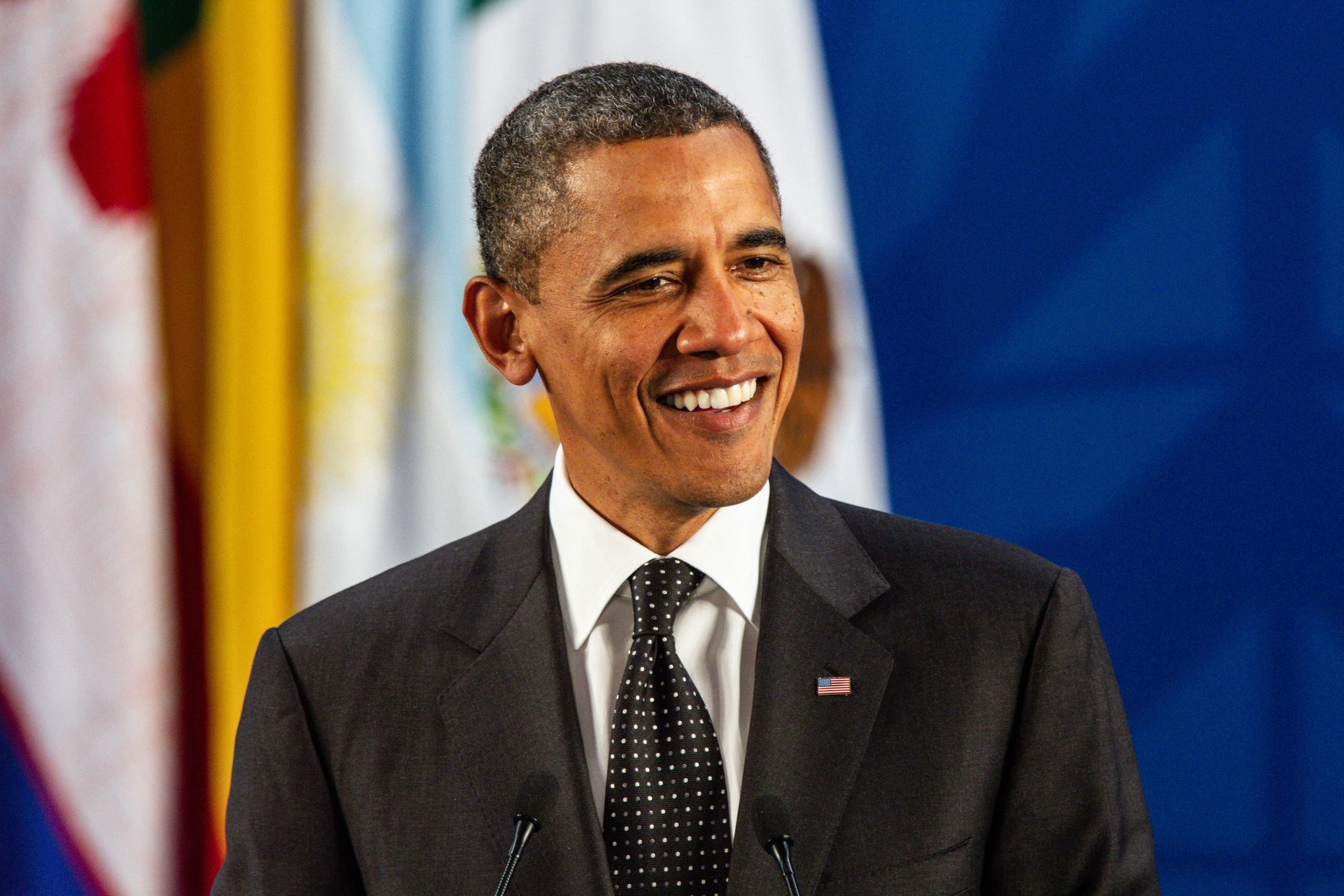
Barack Obama previously questioned the accuracy of Donald Trump’s golf scoring while acknowledging that Trump is “pretty good” at the game. Those reported comments have revived cheating allegations about Trump’s golf game and renewed attention to Donald Trump’s claim of more than 40 golf titles.
The central point is not that the allegations have been proven. They have not resulted in an official ruling on any individual round, scorecard or championship. Instead, Obama’s skepticism highlights why Trump’s golf record remains a contested public claim: ability, scorekeeping and the meaning of a club title are not necessarily the same thing.
Obama separated skill from scoring
Obama’s reported comments carry weight because they did not present Trump as someone incapable of playing golf. He reportedly expressed doubt about whether Trump always followed the rules, while also recognizing that Trump has real ability on the course.
That distinction gets lost in a debate often reduced to a blunt question: Is Trump a good golfer or not? A player can be experienced, hit the ball well and compete regularly while still facing questions about the conditions under which individual scores were made.
In golf, that line can matter especially sharply. The sport relies heavily on players to call penalties on themselves, making trust and shared expectations part of the competition.
Casual groups may agree to conceded putts, preferred lies, mulligans or other relaxed rules. Those arrangements can be perfectly ordinary when everyone understands the format. The dispute begins when an informal result is treated as though it were recorded under standard competitive rules.
Old allegations remain allegations
Questions about Trump’s conduct on the golf course did not originate with Obama’s reported remarks. Rick Reilly, a longtime sportswriter who wrote a book about Trump and golf, told Reuters in 2019 that Trump was loose with the game’s rules.
Reilly’s account included allegations that Trump used improved lies and skipped putts. But those claims were Reilly’s allegations and personal observations, not findings by a golf governing body.
That qualifier is crucial. There is no official ruling in the available record establishing misconduct by Trump in a named round or tournament. Broad claims about cheating should not be treated as proof of wrongdoing in any specific event without specific evidence.
Trump has disputed criticism of his golf record and has regularly pointed to victories at courses he owns or operates. His supporters cite his long commitment to the sport, his course portfolio and repeated wins as evidence that political criticism is driving the scrutiny.
More than 40 titles raises questions
Trump has said he has won more than 40 golf championships, presenting that total as evidence of his competitive credentials. The number is difficult for outside observers to assess through one standardized measure.
Club championships can differ substantially in field size, eligibility, format, rules and independent oversight. A club event may be legitimate, but it is not automatically comparable to a tour tournament, a national amateur competition or a competition overseen by an independent governing body.
That does not mean a title is invalid. It means the label alone does not explain enough about what was played, who participated, which rules applied or how the result was verified.
Critics argue that self-reported totals and events at Trump properties deserve closer examination. Ownership of, or affiliation with, a host club can create understandable transparency questions even where no rule violation has been demonstrated.
The records needed for clarity
The dispute would be easier to evaluate with detailed records that can be independently checked. Those could include scorecards, tournament formats, participant lists, applicable rules, handicaps and third-party confirmation of the results.
Instead, public discussion has largely relied on competing anecdotes, promotional statements and partisan interpretation. That leaves a sizable gap between a frequently repeated championship total and a fully documented public accounting of each result.
The most precise questions are practical rather than ideological: What format was used? Who established the conditions? Were the scores independently recorded? Did the event use standard competition rules?
Until those questions are answered across Trump’s stated total, neither side can fairly turn the record into a settled verdict. Trump’s enthusiasm for golf and public emphasis on winning are clear; a definitive independent accounting of every score and championship is not established in the available reporting.
Bedminster makes golf political
Trump National Golf Club Bedminster in New Jersey has become one of the most visible settings for Trump’s relationship with golf. The property has hosted major events and appears regularly in coverage of Trump’s time away from Washington, as well as his meetings with political allies, business figures and sports guests.
That visibility turns golf from a private pastime into part of Trump’s political and personal branding. The game helps project an image of competitiveness, success and comfort in elite settings.
The Obama comparison adds to the symbolism. Trump repeatedly criticized Obama’s golf outings before taking office, while Politico documented Trump’s regular visits to his own golf properties early in his presidency in 2017.
For Trump’s supporters, golf accomplishments reinforce a portrait of energy and competitiveness. For critics, unresolved questions about rules and recordkeeping fit a broader argument over how Trump presents success. Obama’s reported view complicates both camps: Trump can be a capable golfer, while scrutiny of particular scores and titles remains warranted.
Why the debate outlasts a round
The enduring argument is really about public evidence. A championship claim is not automatically validated because the person claiming it repeats it, just as an allegation should not be treated as established fact simply because it is widely circulated.
Obama’s reported skepticism offers a narrower and more responsible frame than the usual partisan exchange. It leaves room to recognize Trump’s golfing ability while maintaining careful attribution around allegations involving scoring practices and competitive results.
That is why this remains more than a golf story. The unresolved issues concern reputation, documentation and who gets to define a public record when sporting success becomes part of a political persona.
Leave a Reply