The segment’s political punch depends on viewers recognizing Natalie Harp as more than an unfamiliar name. Here is why Trump’s executive assistant has become a visible figure in coverage of his White House.
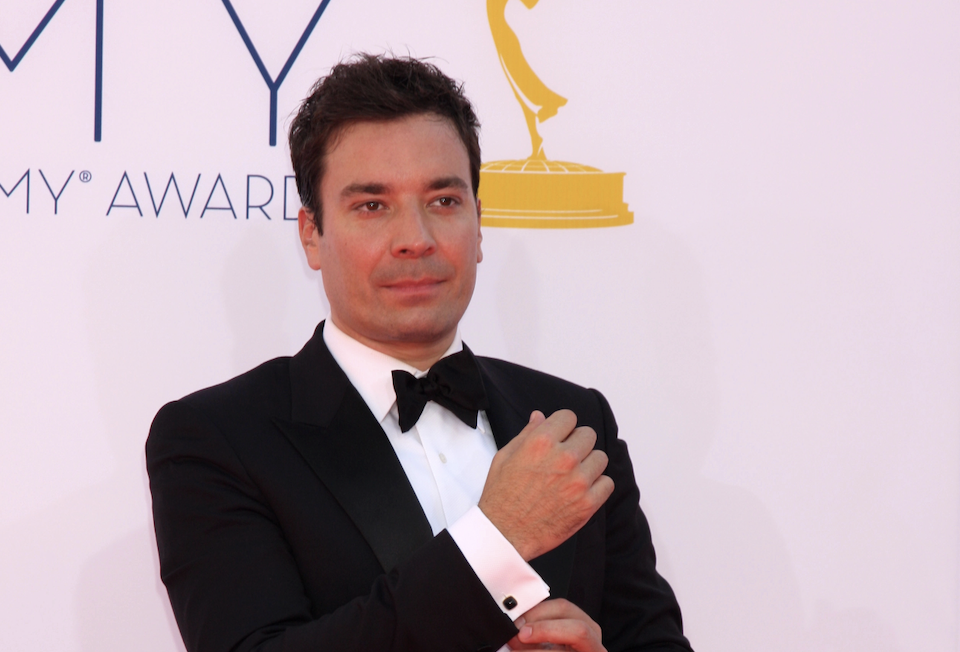
Jimmy Fallon interviewed Natalie Harp, according to a headline circulating from The Daily Beast, and the interview was framed as humiliating Donald Trump. Harp is a Trump aide whose unusually constant proximity to the president has made her a growing subject of political coverage, even though she has spent much of her career outside the public spotlight.
The reported Fallon moment matters less as a standalone late-night joke than as a sign that Harp has become recognizable enough to symbolize questions about access, loyalty and information around Trump. The available source material does not provide a transcript, video or detailed account of Fallon’s segment, so the specifics of the interview and any response from Trump remain unclear.
Why Harp is suddenly recognizable
Natalie Harp is officially an executive assistant to the president, a title generally associated with scheduling, logistics and the flow of communications. But reporting from the BBC describes her role as far more visible than that conventional label might suggest.
She is frequently seen near Trump in the Oval Office and on domestic and international travel. People familiar with White House operations told the BBC that her proximity gives her an outsized role in determining which articles, updates and messages reach the president.
That has made Harp an unusually useful figure for commentators and satirists. A joke about a low-profile aide only lands if audiences understand the aide represents something bigger—in this case, the tightly managed ecosystem around a president who has long placed a premium on personal loyalty.
Her connection to Trump runs deep
Harp’s path into Trump’s political world began with a deeply personal story. She credited the Right to Try Act, signed during Trump’s first term, with helping her gain access to an experimental treatment for bone cancer after standard chemotherapy failed.
At the 2020 Republican National Convention, Harp said Trump’s policy had saved her life. Trump later praised her convention appearance, saying she had lit up the television screen.
After Trump lost the 2020 election, Harp hosted a program on the conservative One America News Network, where she became a vocal defender of Trump and promoted false claims that he had won. She left OAN in 2022 and joined Trump’s next presidential campaign.
That history helps explain why coverage of Harp often focuses on devotion as well as job duties. Her brother, Preston Harp, told CNN that she considered Trump her “biggest fan” and believed he had saved her life.
The portable printer became a symbol
Harp is widely known among White House reporters by a memorable nickname: the “human printer.” The label comes from her reported habit of carrying a portable printer so she can hand Trump physical copies of news stories and social-media posts.
On its face, that is a practical accommodation for a president who prefers reading hard copies. Yet the task also points to a consequential question: who selects the material that gets put directly in front of the president?
The BBC reported that a source familiar with White House operations viewed Harp’s role as giving her substantial influence over the information Trump receives. Other anonymous sources cited by U.S. media have characterized her as a gatekeeper or a “comfort blanket.” Those descriptions are assessments from sources, not a formal White House job description.
The White House, for its part, has called Harp a trusted and valued member of the team. It reacted sharply after CNN reporter Kristen Holmes asked Trump about recent public attention on Harp, accusing the reporter of taking a cheap shot at a staff member.
Late-night satire has a political target
Calling a television segment “humiliating” is an opinion, not an independently measurable outcome. Political comedy frequently relies on exaggeration, character and a sharp contrast between a public figure’s formal title and their apparent real-world clout.
In Harp’s case, the tension is clear. Her official job title may sound routine, while reporting has portrayed her as one of the people most consistently at Trump’s side. That discrepancy offers an opening for a host such as Fallon to turn an obscure staff role into a broader joke about the president’s inner circle.
Trump supporters could view an interview or parody involving Harp as another attempt by entertainment media to ridicule a loyal White House employee. Critics are more likely to see the attention as warranted scrutiny of a staffer with potentially unusual access to the president.
Both reactions rest on the same underlying reality: Harp’s prominence has grown because observers believe proximity can translate into influence, particularly in an administration built around personal relationships.
What the reported segment does not establish
There is no detailed, independently supplied record in the available research showing what Fallon asked Harp, whether the appearance was a conventional interview, a comedy sketch or an impersonation, or whether Trump watched and reacted. Those distinctions matter when assessing claims that the segment embarrassed the president.
Nor does a late-night treatment prove the reporting-based claims about Harp’s influence. The public can observe that she is regularly near Trump; the precise degree to which she shapes decisions, filters information or speaks for him is harder to establish from outside the White House.
Still, the fact that Harp is now being invoked in entertainment coverage is revealing. A presidential aide who once worked mainly behind the scenes has become a shorthand for the personal loyalty and carefully controlled access surrounding Trump.
Aide status can become public power
The larger story is not simply whether Fallon landed a joke at Trump’s expense. It is how an executive assistant became prominent enough for a late-night segment to carry political meaning.
Harp’s career blends a personal connection to Trump-era policy, public advocacy for him, conservative media work and a highly trusted White House role. That combination has made her a figure of fascination for Trump critics and a target of fierce defense from the administration.
For now, the reported Fallon interview should be understood with appropriate caution: it has been presented as a Trump embarrassment, but the available evidence does not document the segment in enough detail to judge that claim on its own. What is clear is that Natalie Harp’s profile has moved well beyond the usual boundaries of a little-known presidential aide.
Leave a Reply