
The dispute puts Mike Rowe’s familiar arguments about work, politics and public culture back in the spotlight. Available reporting confirms the broad clash, while leaving key details of the original remarks and individual exchanges unclear.
Mike Rowe made comments critical of Democrats, and those comments prompted backlash from critics, according to the available trend reports. Rowe also responded to criticism, turning a political message from the Dirty Jobs host into a wider argument over party identity, ideology and the language used in online debate.
The broad outline is clear, but the limits of the available record matter. The source material does not provide a complete transcript of Rowe’s initial statement, identify every critic involved or document every response attributed to him.
Rowe’s message sparked a familiar divide
Rowe has spent years building a public identity around the dignity of work, vocational education and the value of jobs that are often physically demanding or overlooked. Those themes have also frequently been pulled into partisan arguments.
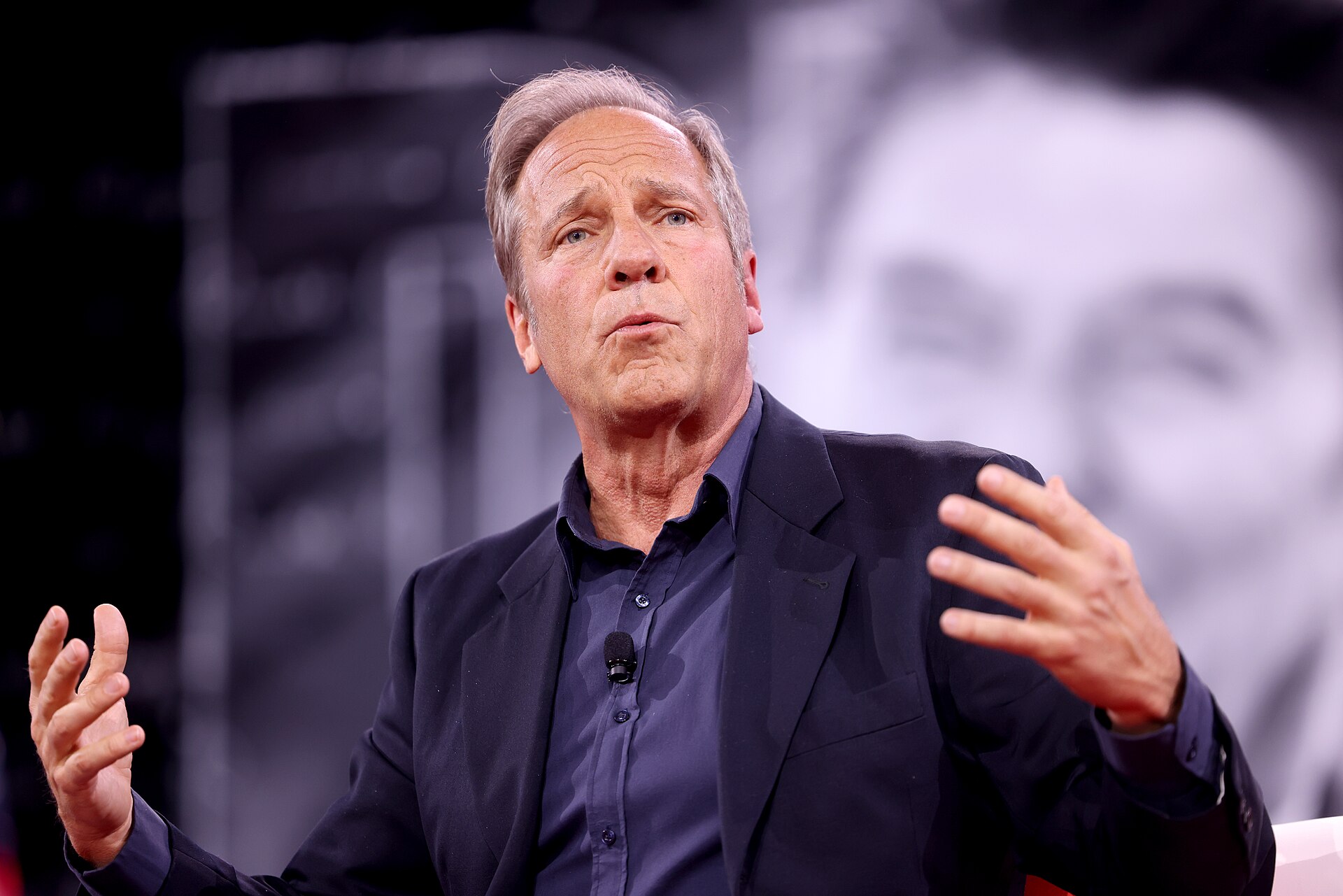
In this case, available trend reports describe the flashpoint as Rowe making a political criticism of Democrats. Without a complete record of the original post and replies, however, it is difficult to independently assess the full wording, sequence or tone of the exchange.
Political labels can compress complicated coalitions into a single target. Democrats include elected officials and voters with sharply different views on government spending, labor policy, health care, business regulation and the role of markets. Critics of Rowe’s framing may see it as overly broad; supporters may see it as a blunt warning about the party’s direction.
What the available reporting establishes
The trend reports identify three core elements: Rowe made comments critical of Democrats, those comments generated backlash, and he replied to critics. They do not supply enough verified detail to independently assess each exchange.
That gap matters because phrases such as “shuts down” or “truth bomb” are opinionated descriptions of a dispute, not factual findings. They can suggest a decisive outcome when political arguments rarely end with either side conceding the point.
A careful reading separates the event from the verdict. The event is a public disagreement involving Rowe’s comments and subsequent replies. The verdict—whether his arguments were persuasive, unfair or effectively answered—depends heavily on the specific posts, context and audiences involved.
His work-first brand shapes the reaction
Rowe’s political commentary carries weight partly because he is not known first as an elected official or campaign operative. For many viewers, he remains the host who made difficult, dirty and technical work central to mainstream television.
The Washington Post reported in 2015 that Rowe’s work-ethic advocacy included promoting a scholarship fund for technical schools and the S.W.E.A.T. Pledge, short for “Skill And Work Ethic Aren’t Taboo.”
That background helps explain why his political comments can land differently than a conventional pundit’s. Admirers may hear a defense of practical responsibility and economic independence. Detractors may hear a celebrity using a popular work-ethic message to advance a partisan critique.
That tension is not new. According to The Washington Post’s 2015 report, Rowe argued that hard work should not be a conservative-versus-liberal issue while responding to criticism that his work-focused rhetoric amounted to right-wing propaganda.
Why political labels remain charged
The dispute also shows how quickly ideological labels can become stand-ins for broader political disagreement. In U.S. politics, terms such as “socialist” are used in different ways: as a self-description by some politicians or activists, as criticism of expansive government programs, or as a rhetorical attack on policies opponents consider too interventionist.
Those meanings are not interchangeable. A proposal for a larger public role in health care, housing or labor protections does not by itself settle a debate over whether a politician or party should be described with any single ideological label.
Rowe’s critics may object not only to his conclusion but to the breadth of the framing. His supporters may argue that blunt language is necessary when debating a party’s direction. The disagreement is partly factual, but it is also about definitions and political values.
Online rebuttals reward conflict
Responding to critics individually can make an exchange feel immediate and personal. It can also create a selective record, because the audience often sees only the posts that gain attention rather than the full range of reactions.
That format rewards memorable phrasing over sustained explanation. A short reply can look conclusive to followers while leaving important assumptions unaddressed for anyone outside the speaker’s political circle.
The strongest version of Rowe’s position would require a precise account of which statements or policies he believes demonstrate the trend he criticized. The strongest response from his critics would engage that evidence directly rather than reducing his entire record to partisan identity.
Questions that remain unanswered
Without the original full post and a documented record of the replies, several details remain unresolved. It is unclear which specific Democratic figures or ideas Rowe had in mind, what language he used beyond the broad description in trend reports, and whether the critics he addressed represented a substantial public reaction or a handful of high-visibility accounts.
It is also unclear whether Rowe intended a narrow critique of particular party figures or a broader statement about the Democratic Party as a whole. That distinction changes the substance of the debate.
For now, the episode is best understood as another collision between Rowe’s work-centered public persona and America’s increasingly polarized political vocabulary. The backlash and his responses may keep the argument moving, but they do not by themselves settle the larger questions about ideology, work and the direction of either major party.
Leave a Reply