
The loss of Dolly Parton is being felt not only in country music but across Tennessee, pop culture and the charitable work that shaped generations of readers. Her career made her a star; her generosity made her a public institution.
Dolly Parton died at age 80 after a brief battle with cancer, according to reporting Tuesday from Nashville. Parton, the country music legend behind songs including Jolene, 9 to 5 and Coat of Many Colors, was remembered by loved ones, fans and fellow performers as an artist whose reach went far beyond the stage.
The reported death has prompted an outpouring of grief in Tennessee and across the entertainment world. It also puts fresh focus on the unusually broad legacy Parton built over decades: a country star who crossed into film and pop culture while investing heavily in literacy, tourism and the Appalachian communities that shaped her.
A country icon with uncommon reach
Parton’s music gave country a larger popular audience without sanding away the details that made her songwriting distinctive. Her songs could be playful, cutting, romantic or deeply personal, often in the space of just a few verses.
Jolene became one of the most recognizable songs in modern country music, while 9 to 5 turned workplace frustration into a pop-cultural anthem. Coat of Many Colors, her autobiographical song about childhood poverty in rural Tennessee, remained especially meaningful to listeners who saw their own families and hometowns in its story.
That range helped explain why Parton’s audience rarely fit a single generation or political identity. She was a Nashville institution, but she was also a global celebrity, a songwriter admired by peers and a performer whose image was instantly recognizable even to people who did not follow country music closely.
Nashville mourns a hometown force
BBC reporting from Nashville described fans gathering outside the Country Music Hall of Fame, where people laid flowers and lit candles near Parton’s star. The response reflected how closely her identity was tied to Tennessee, even after decades of international fame.
At Nashville’s airport, one fan told the BBC that Parton was a state and national treasure. Others spoke less about celebrity than about the ways she seemed woven into daily life through her music, books, businesses and local projects.
That connection was not accidental. Parton grew up in the Great Smoky Mountains region, and the public story she told about her childhood remained central to her work. Rather than treating those roots as a branding device, she repeatedly returned to them through songs, philanthropy and the visitor economy built around Dollywood.
Dollywood became part of the story
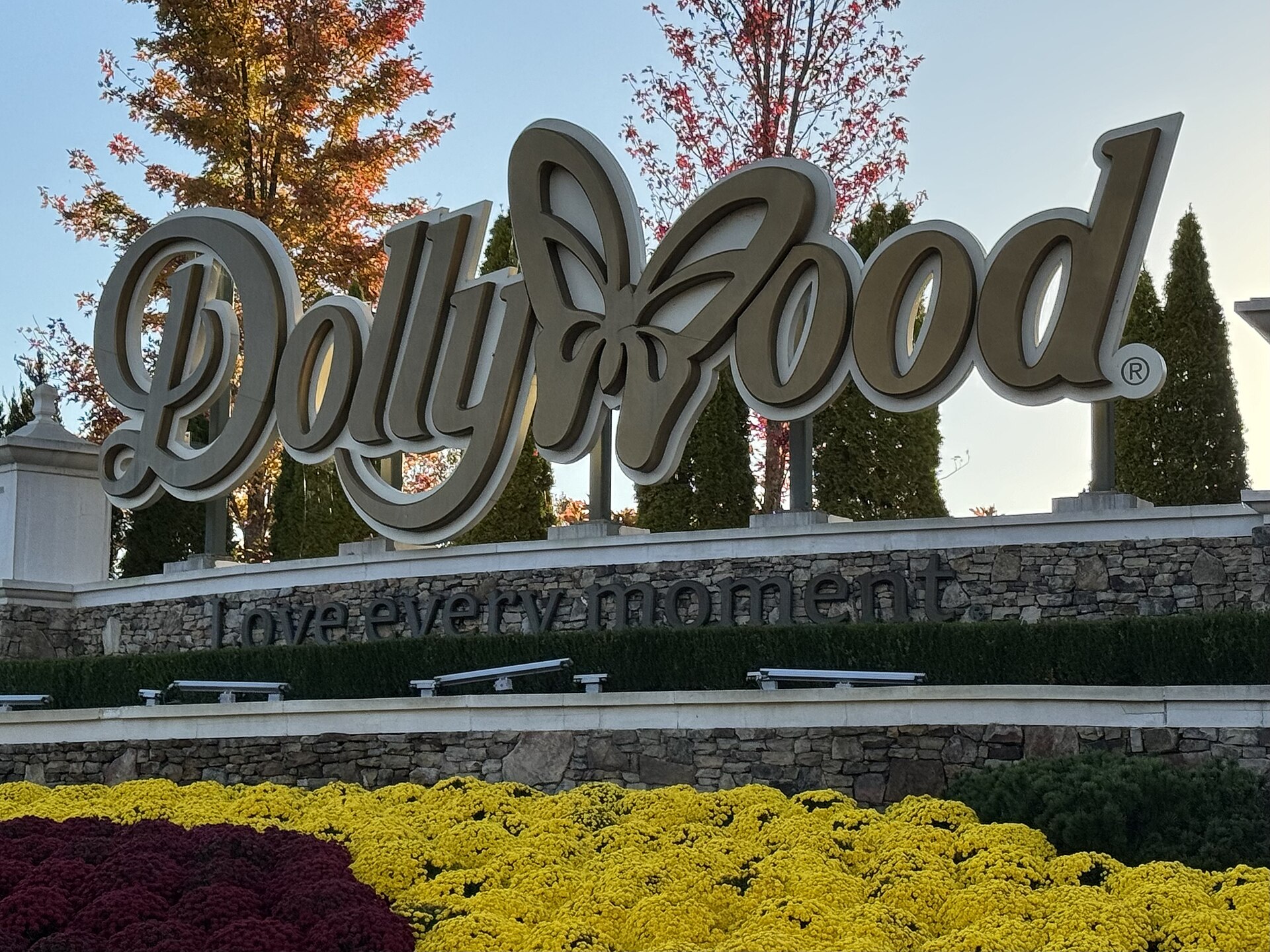
Dollywood in Pigeon Forge, Tennessee, is one of the clearest examples of Parton turning fame into a lasting regional presence. She became a co-owner of the park in 1986, and its growth brought a high-profile entertainment destination to the Great Smoky Mountains area.
The park is filled with rides and seasonal events, but it also presents Parton’s personal history through archived recordings, costumes and artifacts. Its central attraction is not simply a celebrity name on a gate; it is a narrative about a local girl who became a global star and continued to invest in the region.
Dollywood said visitors would be able to come to the park Wednesday to pay their respects. The coming days are likely to bring more formal details about public memorials and tributes, though arrangements were not immediately clear in the reporting available Tuesday.
Her giving changed the conversation
For many admirers, Parton’s philanthropy will be as essential to her legacy as her catalog. Her Imagination Library sent free books to young children, and its model grew far beyond Tennessee.
One Nashville-area parent told the BBC that her children received Imagination Library books from infancy until age 5 and that the family had kept them. That is the kind of local, concrete impact often cited when people describe why Parton inspired such fierce affection.
Her charitable reputation also shaped the public perception of her success. Parton was celebrated for ambition and business instincts, yet many fans viewed her wealth and fame through the work she put back into communities. That combination made her an unusually durable public figure: glamorous enough for pop culture, grounded enough to be claimed by ordinary families.
Tributes point to a shared legacy
Shania Twain, who has long cited Parton as an influence, shared a past performance of Coat of Many Colors and described her as a mentor, songwriting teacher and hero. Former U.S. presidents also issued statements honoring her cultural impact and philanthropy, according to the BBC.
New York City’s Empire State Building was lit pink in Parton’s memory. The gesture was a reminder that her public identity had grown well beyond country music’s traditional borders.
There will be time for career retrospectives, chart totals and assessments of the business empire Parton helped create. The more immediate response has been simpler: people are mourning someone whose work made them feel seen, entertained and, in many cases, directly helped.
What remains to be learned
Reporting described Parton’s cancer battle as brief, but public details about her illness and the circumstances of her death were limited. Her loved ones announced her death, and further information may emerge as the family and representatives share plans.
The next phase will likely include official memorial announcements and tributes from the institutions most closely linked to Parton, including Nashville’s music community and Dollywood. For now, the response in Tennessee captures the scale of the loss: Dolly Parton was not simply a famous singer from the state. She was a cultural figure who made her home region part of her life’s work.
Leave a Reply