
The dispute is less about a single personnel decision than the unusual sight of Republican lawmakers siding publicly with a Pentagon official in a clash involving a Trump Cabinet secretary. The reporting leaves key questions about the feud and Trump’s response unresolved.
Pete Hegseth has lost support among Republicans in a visible dispute involving Army Secretary Dan Driscoll, according to reporting on tensions inside the Pentagon. Donald Trump also reacted to a report about a feud involving Hegseth, putting fresh focus on whether the defense secretary can keep congressional Republicans aligned after the Army’s top officer was forced out.
The immediate significance is political as well as institutional: House Republicans publicly backed Driscoll and lamented the general’s removal, a rare break with Hegseth from members of the president’s party. The available reporting does not establish how broad the Republican split is, but it shows frustration that has moved into public view.
Republicans chose a side publicly
The Washington Post reported on April 16 that House Republicans threw their support behind Driscoll during his first public testimony since Hegseth forced out the Army’s top officer. Lawmakers also expressed regret over the ouster.
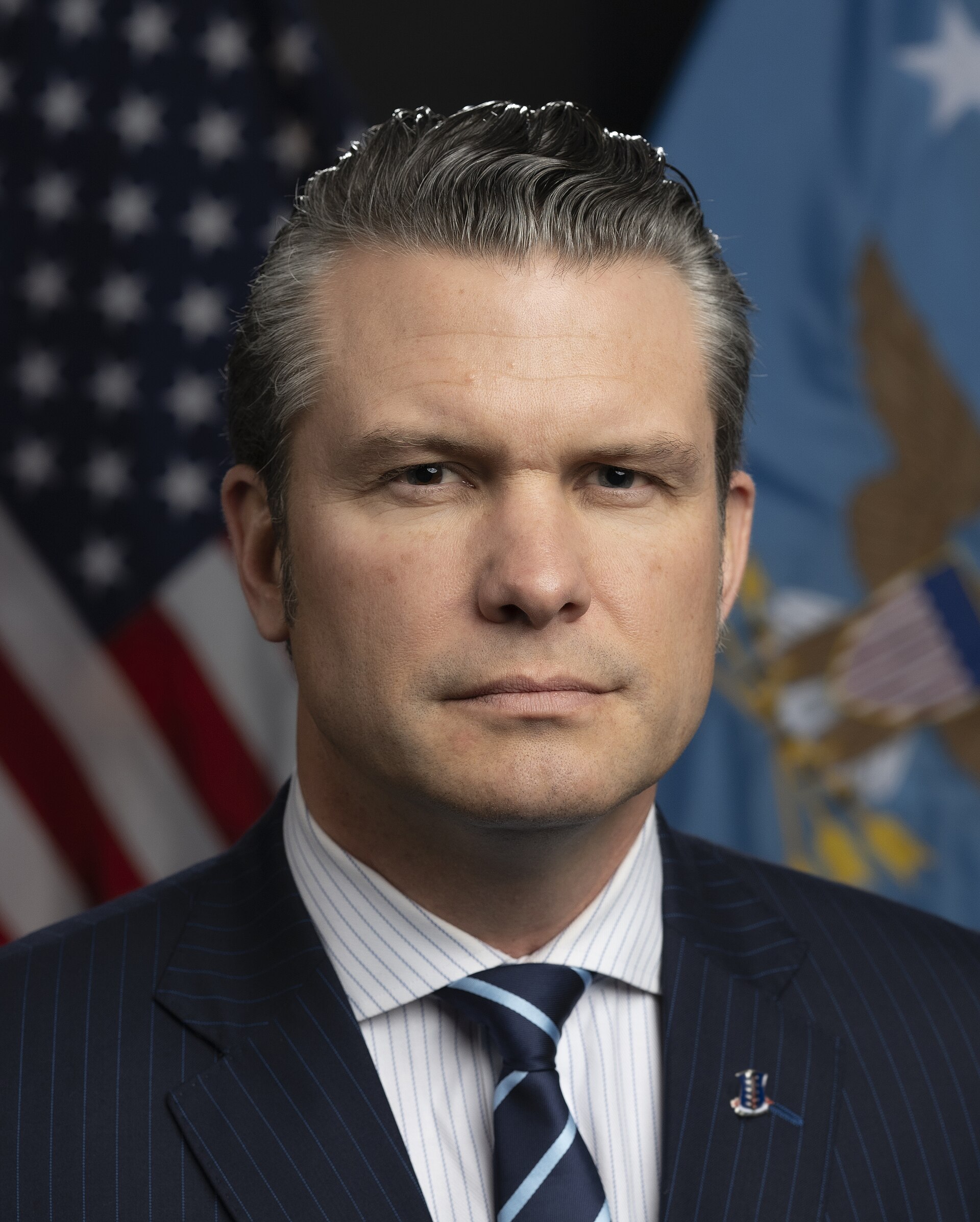
That is a consequential detail. Cabinet officials often face criticism from the opposing party, interest groups, former officials and the press. A public challenge from lawmakers in the governing party carries a different weight because those members can influence oversight, funding debates and the administration’s ability to present a united front.
The reporting describes this as a rare public break with Hegseth after repeated clashes between the defense secretary and senior Army leaders. It does not show Republicans abandoning Hegseth across the board, nor does it provide a vote count or a measure of his overall support in Congress.
Still, the choice to praise Driscoll rather than simply avoid the dispute matters. It gave the internal conflict an audience beyond the Pentagon and created a clear contrast between the Army secretary and the defense secretary he serves under.
The personnel decision drove tensions
At the center of the reported clash is Hegseth’s removal of the Army’s top officer. The Washington Post described Driscoll’s testimony as his first public appearance after that decision, making the hearing a natural venue for lawmakers to signal unease.
CNN separately reported that Driscoll strongly praised the Army chief who had been fired by Hegseth earlier that month. Public praise from a senior political appointee for a dismissed military leader can be read in competing ways: as a defense of the officer’s record, as an appeal for institutional continuity, or as a more pointed disagreement with the decision.
What remains unclear from the available reports is the precise basis for the firing, the full substance of the disagreements between Hegseth and Army leaders, and whether the conflict reflects competing policy views, management style, personalities, or a combination of all three.
Those distinctions are important. Personnel changes are routine in any administration, especially when new leaders seek to reshape an institution. But they become politically harder to contain when senior officials and allied lawmakers appear to question the handling of the change in public.
Trump’s reaction raises the stakes
The report that sparked renewed attention was framed around Trump reacting to the reported Hegseth feud. The available source material does not include Trump’s exact words, where he made them, or whether he endorsed one side of the disagreement.
That limitation matters. A presidential reaction can range from a broad defense of an appointee to a deliberately vague effort to tamp down a dispute. Without the full statement, it would be premature to treat Trump’s response as a definitive ruling on the relationship between Hegseth and Driscoll.
Even so, Trump’s involvement changes the frame. An internal Pentagon disagreement can remain a management matter only as long as it is handled quietly. Once the president is asked to respond and congressional Republicans make their preferences visible, the issue becomes a test of confidence and political discipline.
For Hegseth, the core question is not whether every Republican agrees with every decision. It is whether opposition to a specific decision becomes a wider belief among lawmakers that his leadership approach is creating preventable instability.
Why Driscoll’s role stands out
Driscoll is the Army’s top civilian official, while Hegseth leads the entire Defense Department. That hierarchy makes the apparent friction notable: it is not a dispute between separate agencies with independent political bases, but one within the Pentagon’s leadership structure.
The Army secretary’s position also puts him near the practical consequences of senior personnel changes. Army readiness, training, modernization, recruiting and long-term planning all require coordination between civilian officials and military leadership. A leadership rupture can raise questions about who has the confidence to execute those priorities.
Supporters of a forceful defense secretary could argue that Hegseth has the authority to replace leaders and pursue a different chain of command. From that perspective, public resistance from lawmakers or subordinates may be viewed as an obstacle to the change voters elected Trump to make.
Critics, including Republicans uneasy with the episode, may see the public disagreement as evidence that the process has weakened trust within an institution where continuity and clear command relationships matter. The reporting available so far does not settle that argument.
Support is not the same as a revolt
Describing Hegseth as having lost support among Republicans should be understood carefully. The reporting documents House Republicans backing Driscoll and objecting to the Army leader’s ouster. It does not demonstrate a unified congressional campaign against Hegseth or show that Trump has withdrawn confidence in him.
That distinction is especially important in a party shaped heavily by Trump’s judgments. Republican lawmakers may criticize an episode, defend another official or seek answers through oversight while still supporting the administration’s broader defense agenda and the president’s authority to choose his Cabinet.
Earlier reporting during Hegseth’s confirmation period also showed many Republican senators standing behind him despite misconduct allegations he denied. That earlier support does not erase the current strain, but it underscores that intraparty support can be conditional and issue-specific rather than fixed.
The more revealing signal may be the type of criticism now emerging. Public concern over how a military leadership decision was made is different from routine disagreement over rhetoric or policy priorities. It touches the administration’s capacity to manage the Pentagon.
What to watch after the split
The next indicators will be practical. Watch whether additional Republican lawmakers publicly defend Driscoll or criticize the ouster; whether Hegseth, Driscoll or the White House offer fuller accounts of the dispute; and whether the issue surfaces in hearings, appropriations debates or defense-policy discussions.
It will also matter whether the Pentagon presents a stable explanation for the personnel change and whether Driscoll and Hegseth appear together in support of common priorities. Public unity would not necessarily mean the disagreement has vanished, but continued visible friction would make it harder to dismiss as a one-off clash.
For now, the verified takeaway is narrower than the rhetoric around a “feud” may suggest. House Republicans publicly supported Driscoll after Hegseth’s removal of the Army’s top officer, creating an unusual intraparty challenge for the defense secretary. Trump’s reported reaction has elevated the political stakes, while many details of the dispute remain undisclosed.
Leave a Reply