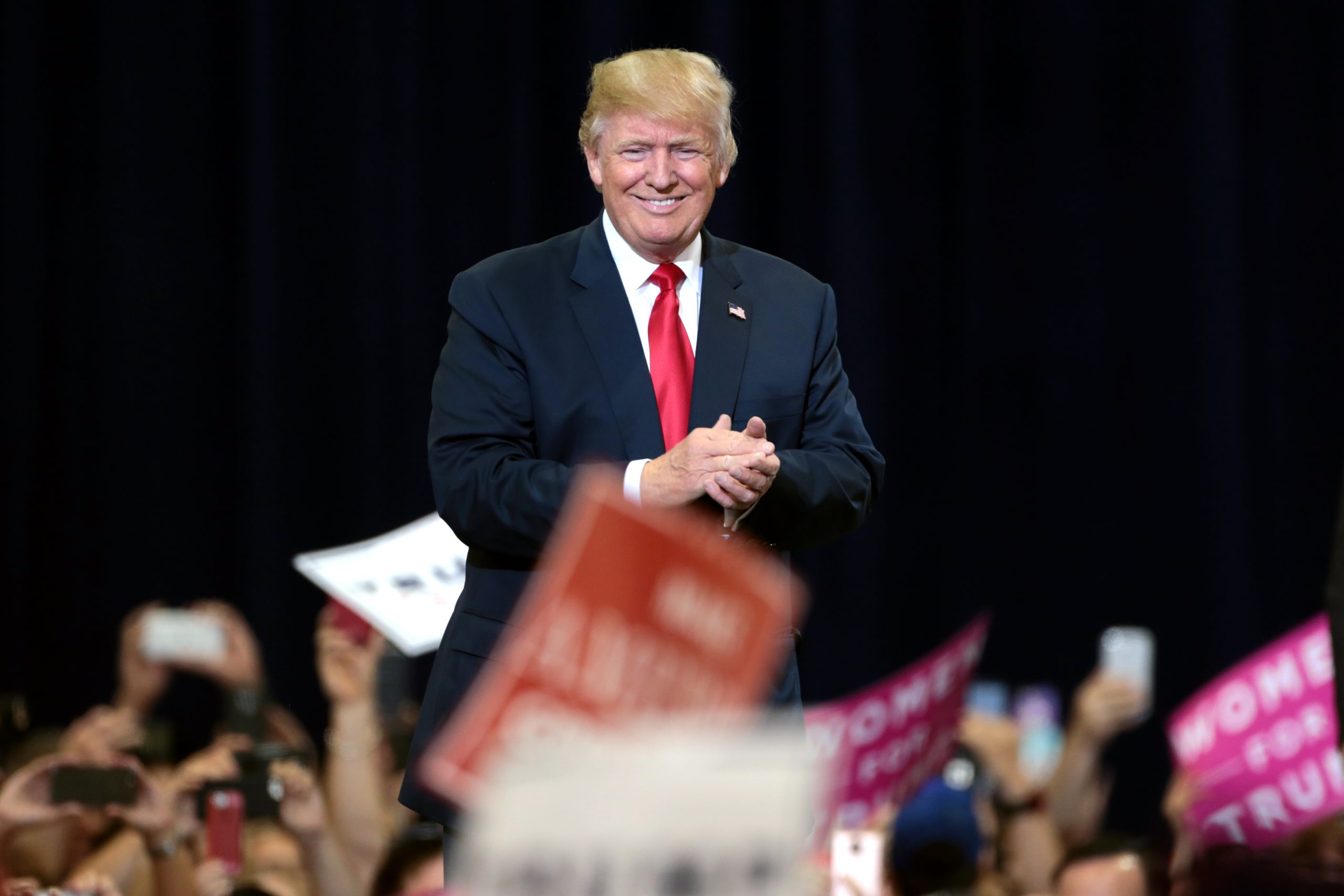
The claim points to a familiar pressure point for Donald Trump: keeping his coalition aligned behind an administration carrying out high-stakes homeland security policy. But the available source record does not establish the specific dispute, its target or its outcome.
A circulating headline says Trump’s Department of Homeland Security chief suffered a new political setback and that MAGA supporters turned against the DHS chief. The claim matters because Donald Trump’s U.S. Department of Homeland Security is central to his immigration and border agenda, but the available source material does not identify the official involved or document the alleged backlash.
That gap is significant. A political dispute inside the MAGA movement can be real and consequential, yet readers need to know what has been independently established before treating a dramatic headline about a Trump DHS chief as a confirmed account of events.
What the available record says
The material supplied with the circulating headline contains almost no underlying reporting. Its extracted text identifies the item as an MSN trend entry and repeats the headline, but it does not provide the name of the DHS chief, a description of the reported setback, statements from critics or a response from the administration.
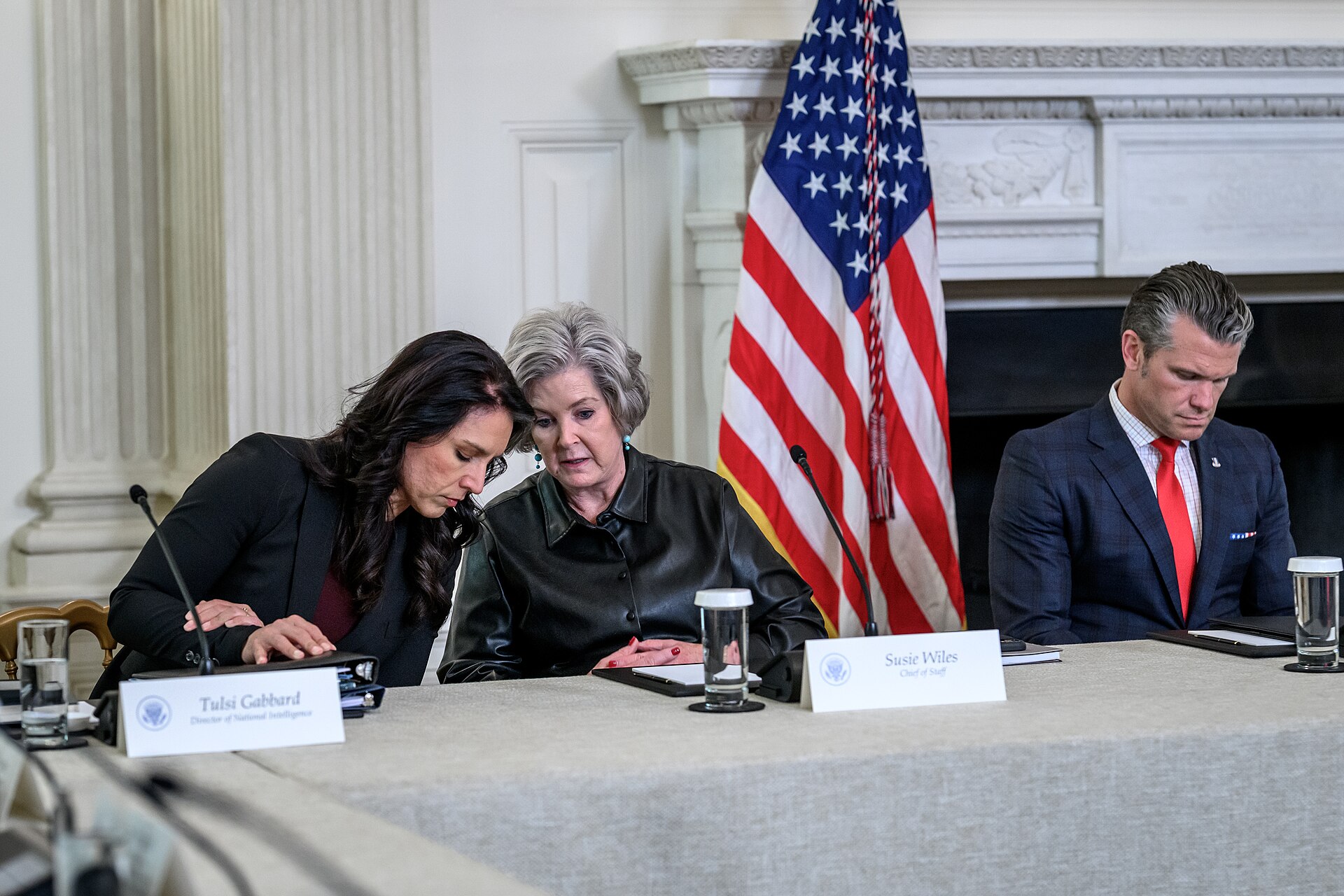
That means the core assertion — that MAGA supporters turned on a DHS leader and dealt that person a new blow — cannot be evaluated from the provided record alone. There is no basis in that material to determine whether the supposed setback involved a personnel dispute, a policy reversal, congressional pressure, online criticism or another development.
The lack of identification also creates a basic problem: the headline refers to a male DHS chief, while separate material in the research packet references Homeland Security Secretary Kristi Noem. Those records cannot be cleanly reconciled without more reporting and a clear publication context.
Why the identity of the official matters
At DHS, the person at the top sets the public face of some of the administration’s most politically charged work. The department oversees immigration enforcement, border security, disaster response, aviation security, cybersecurity and the Secret Service.
Criticism aimed at a cabinet secretary is not the same as criticism aimed at an acting official, a senior immigration official or a nominee. Each has different authority, different exposure to Senate oversight and different consequences if Trump decides to change course.
The available research includes an NBC News live-update item stating that Trump announced he was replacing Noem with Sen. Markwayne Mullin, a Republican from Oklahoma. But the supplied excerpt does not provide enough surrounding information to verify timing, status or the connection, if any, between that report and the headline about a MAGA backlash.
Those distinctions matter because a leadership change can arise from many factors: an administration reshuffle, a confirmation fight, political strategy, policy disagreement or a personal decision. It should not automatically be attributed to a revolt by Trump’s political base.
MAGA support is not one bloc
“MAGA” is often used as shorthand for Trump’s most loyal political supporters, but it is not a single organization with a unified chain of command. Its broad coalition includes voters, elected officials, media figures, activists, donors and online personalities who can disagree sharply while remaining supportive of Trump himself.
On homeland security, those disagreements can emerge over the pace and tactics of immigration enforcement, the use of federal resources, foreign policy spillover, surveillance, spending or relationships with Congress. A loud group of critics can shape the news cycle without necessarily representing the position of most Trump voters.
Supporters of aggressive DHS action may see internal friction as evidence that officials are not moving quickly enough. Other Republicans may argue that durable policy requires legal precision, congressional cooperation and operational limits. Democrats, meanwhile, have frequently challenged the administration’s immigration approach and its broader DHS priorities.
None of those competing views, by themselves, proves the specific claim in the headline. They do explain why allegations of conservative backlash around DHS can carry political weight.
The administration’s political pressure point
For Trump, DHS is more than a large federal department. It is a visible test of campaign promises on the border and immigration, areas where his supporters expect swift and tangible results.
That creates a difficult balance for any DHS leader. Policies must survive court challenges, comply with federal law, be carried out by agencies with finite personnel and funding, and meet the political expectations of a president’s base. A move viewed as too cautious can invite criticism from the right; a move viewed as too aggressive can bring legal and public backlash from opponents.
Cabinet-level turbulence can also become a messaging problem. Even when an administration insists that a personnel decision is routine, adversaries may frame it as proof of internal division. Conversely, supporters may view a change as Trump reasserting control over an agency that has become politically exposed.
What remains unverified
Several key questions remain unanswered by the materials available here:
- Which DHS official was the subject of the reported political setback?
- What specific action, decision or event prompted the alleged MAGA criticism?
- Which supporters, elected officials or organizations voiced opposition?
- Did the White House or DHS issue a response?
- Was there an actual personnel consequence, policy change or other verified outcome?
Until those points are documented through attributable reporting, official statements or direct evidence, the strongest conclusion is limited: a headline has raised a claim of friction between Trump’s DHS leadership and parts of the MAGA movement, but the available record does not substantiate the details.
Why caution is part of the story
Political headlines often compress a complicated dispute into a simple narrative of a leader being “dealt a blow” or a movement “turning” on someone. That framing can capture genuine tension, but it can also overstate the scale, cause or permanence of a disagreement.
For readers, the useful test is straightforward: look for the named official, the disputed action, the identifiable critics and the response from the administration. Without those basics, claims of a coalition rupture remain less informative than they first appear.
The broader issue is still worth watching. If prominent Trump allies begin publicly challenging DHS leadership over a specific policy or personnel decision, it could affect the administration’s ability to present a united front on one of its defining priorities. For now, the reported backlash is a claim awaiting the details needed to measure its real political force.
Leave a Reply