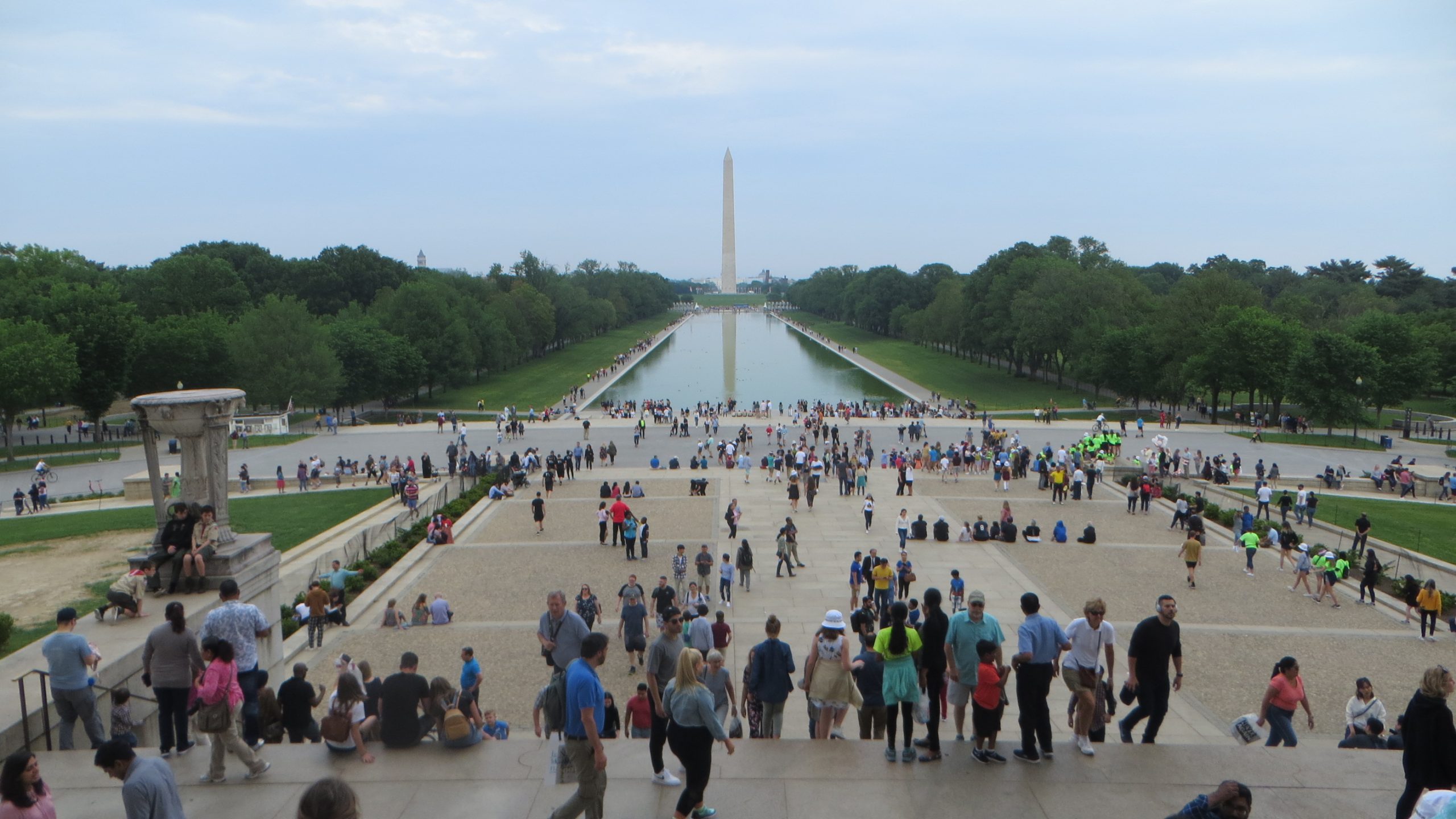
The collapse of the case has shifted attention from alleged vandalism at a national landmark to the judgment of federal prosecutors and agencies. The dispute now puts Pirro’s office, the Interior Department and the Trump administration’s public claims under pressure.
Ted Lieu is threatening scrutiny of Jeanine Pirro’s office after the Justice Department dropped the Reflecting Pool case against David “Davey” Hearn, a former Olympic canoeist. Prosecutors under the Trump administration said the damage may have been caused by flawed sealant work rather than vandalism at the Lincoln Memorial Reflecting Pool in Washington, D.C.
The reversal matters because it raises a sharper question than who damaged a landmark: how did a disputed repair problem become a felony prosecution? The botched sealant finding now sinks the Reflecting Pool felony theory and fuels Lieu’s Pirro probe threat over prosecutorial judgment.
The filing that changed course
Hearn had been charged in connection with damage to the Reflecting Pool after prosecutors accused him of causing more than $1,000 in damage. That amount mattered because it supported the felony theory described in the case. Hearn pleaded not guilty.
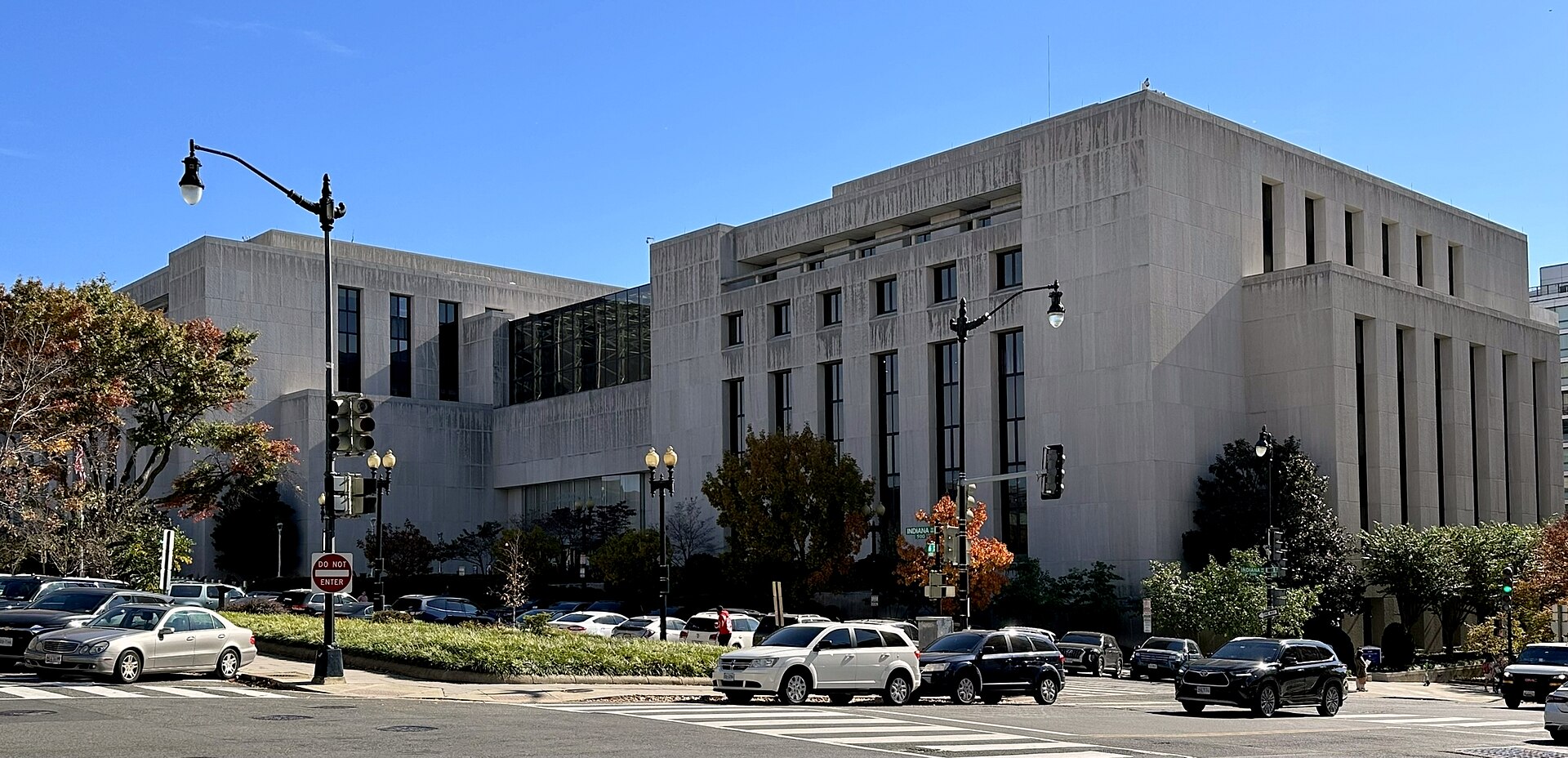
In a Friday filing reported by NBC News, a supervisor in the U.S. Attorney’s Office for the District of Columbia said officials had obtained information that undermined the “evidentiary basis for the indictment.” Pirro heads that office.
The late-breaking issue was not described as a new witness account or dramatic surveillance evidence. Prosecutors said the Interior Department later provided documents indicating that damage to the pool in June 2026 resulted from flawed installation by Atlantic Industrial Coatings, the contractor involved with the sealant work.
The Justice Department’s filing said the government learned after reviewing additional records that the damage appeared tied to a botched installation, not vandalism. It also said prosecutors would not have sought a grand jury indictment if the Interior Department had been forthcoming with information already in its possession.
Why Lieu is looking at Pirro
Lieu’s threatened scrutiny turns a dismissed case into a fight over how federal power was used. The available report described him as threatening an investigation involving Pirro after the Reflecting Pool sealant matter became a felony case and then unraveled.
What remains less clear is the exact shape of Lieu’s next move. The report did not specify which committee or authority would pursue the matter, what records would be demanded, or whether any formal investigation has begun.
The pressure point is still obvious. Prosecutors now say the case lacked a reliable evidentiary foundation. That invites questions about why the indictment was sought before the government had, or fully accounted for, Interior Department records pointing away from vandalism.
There are competing interpretations. Critics such as Lieu can argue the case shows the danger of turning a politically charged claim into a prosecution before the facts are settled. Defenders of Pirro’s office may answer that prosecutors corrected course once they received information that changed the evidentiary picture.
A repair job became political
The Reflecting Pool dispute began with a highly visible improvement project. Trump had promoted a plan to coat the bottom of the pool in “American flag blue” ahead of America’s 250th birthday.
According to NBC’s account, the project ran into problems that included cost increases, coating issues and algae after the pool was refilled. Those practical setbacks later collided with claims that the pool had been deliberately damaged.
Trump repeatedly alleged that vandals had cut long slits in the pool material. At different times, he described the alleged damage as being caused by a knife, box cutter or razor.
That public framing pushed the story toward intentional destruction. The Justice Department’s dismissal filing moved in the opposite direction, saying it had become difficult to attribute the widespread damage to vandalism, much less prove that theory beyond a reasonable doubt.
Trump split with his DOJ
The political tension sharpened because Trump publicly disagreed with the Justice Department’s decision to drop the case, even though the filing came from prosecutors in his administration.
In a Truth Social post, Trump said he disagreed “100%” with Pirro on the Reflecting Pool and called it “a pure case of VANDALISM.” He later posted video of the pool and again argued that viewers could see vandalism for themselves.
That left Pirro’s office under pressure from more than one direction. Trump criticized the decision to abandon the case. Lieu and other skeptics are focused on why the case became a felony prosecution in the first place.
Pirro’s office did not offer an extended public defense in the reporting cited. A spokesperson said the filing spoke for itself. Her office also moved to dismiss at least one other misdemeanor case connected to the Reflecting Pool.
Hearn’s defense says overreach
Hearn’s attorney, Steven Levin, said the case should never have been brought. He called the prosecution an abuse of government power and argued that dismissal did not erase the harm of arresting and charging Hearn.
Hearn told NBC News that the pool looked the same after he put his hands in the water as it did when he arrived. If the damage was already present, the government’s theory tying him to more than $1,000 in destruction becomes far harder to sustain.
The case also had procedural friction before it collapsed. NBC reported that a key witness initially could not tell a grand jury that the damage attributed to Hearn crossed the $1,000 threshold.
A federal prosecutor also accused Hearn’s defense lawyers of violating grand jury secrecy rules. The defense argued that the cited rule applied to government attorneys, not defense counsel.
The unanswered agency questions
The dismissal resolves Hearn’s immediate legal exposure in the felony case, but it does not settle the institutional questions now driving the political fight.
The unresolved issues include when the Interior Department first had documents pointing to flawed installation, why those records were not available to prosecutors before the July 2 indictment, and who decided the evidence supported a felony charge.
There is also the harder political question of whether public statements from Trump or other officials shaped how the case was framed before prosecutors had a case they could stand behind. The available reporting does not answer that.
For now, the case has moved from monument maintenance to a test of federal judgment. Prosecutors dropped a case tied to a symbolic national site after saying another federal agency had information pointing away from vandalism. Lieu’s threat means the next fight is likely to focus on how the government got there.
Leave a Reply