A court filing turned the Reflecting Pool dispute from a vandalism allegation into a clash over evidence, contractors, Trump and Fox coverage.
The pivotal development in the Lincoln Memorial Reflecting Pool controversy came from U.S. Attorney Jeanine Pirro’s office: prosecutors moved to drop a criminal case after saying evidence pointed to contractor problems and a rushed installation, not the vandalism theory President Donald Trump had promoted.
That legal reversal reshaped the story around one of Washington’s best-known landmarks. It also gave CNN media critic Brian Stelter a basis to argue that Fox had amplified Trump’s version of events and paid less attention once the government’s own position changed.
The legal turn came first
PBS NewsHour, citing The Associated Press, reported that Pirro’s office moved to drop charges against David Hearn, a former Olympic canoeist accused of deliberately damaging the Reflecting Pool.
Hearn had been accused of pulling up a two-foot-square section of the pool’s liner. But prosecutors said in a 20-page court filing that additional Interior Department documents pointed instead to a botched installation by a contractor and a rush to finish the project before events tied to America 250 around Independence Day 2026.
The filing also cited a visual inspection that found damage throughout the pool, including in the middle. According to PBS/AP’s account of the filing, that made the original vandalism theory less plausible because someone trying to peel up the liner would not likely have done so from the middle of the pool.
The prosecutors’ position did not turn the renovation into a success story. It shifted the focus from an alleged outside culprit to possible execution problems in work connected to a prominent public project.
Trump kept pressing the vandalism claim
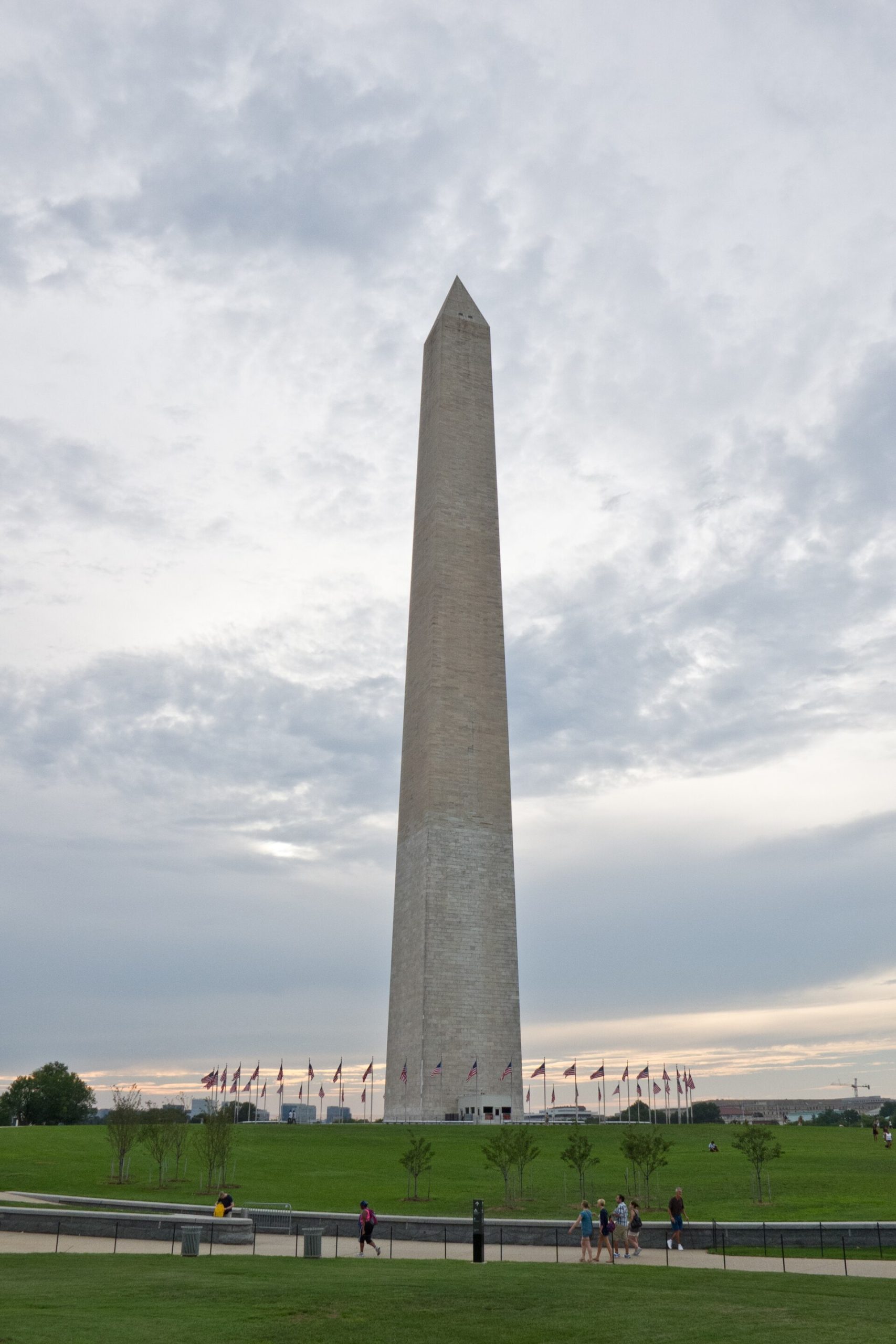
Trump had claimed vandals caused major damage to the Reflecting Pool after a renovation connected to the nation’s 250th birthday events. The site sits between the Lincoln Memorial and the Washington Monument, making any visible damage there politically and symbolically potent.
After Pirro’s office moved to drop the case, Trump publicly rejected her assessment. In a social media post reported by PBS/AP, he said he disagreed “100%” with Pirro, acknowledged there “may have been some contractor difficulty” and continued to insist the major damage was caused by “VANDALS!”
On Monday, according to PBS NewsHour, Trump said Pirro “made a mistake,” said “I guess she choked,” and added that she “folded like a cheap umbrella.” He declined to say whether he would move to fire her.
PBS NewsHour also reported that Trump acknowledged the contractor had been rushing to finish before July 4 while suggesting he did not know the contractor. PBS noted that this appeared to contradict his earlier April comments that he chose the company because it had done work at his golf course in Virginia.
The contractor explanation changed the stakes
The original allegation fit a familiar political message about crime, public disorder and protection of national symbols. A damaged Reflecting Pool offered a vivid image, and Trump cast the episode as vandalism requiring accountability.
The filing described by PBS/AP pointed in a different direction. If flawed installation and a rushed schedule explain the damage, the central questions become oversight, project management and how the criminal case advanced before the newer information changed prosecutors’ view.
The court filing does not resolve every factual dispute. Trump continued to claim vandals caused the major damage, and the available reporting does not establish the full extent of contractor responsibility or whether any separate vandalism occurred.
What it does establish is that prosecutors were no longer prepared to pursue the criminal charge against Hearn on the theory originally attached to the case.
Stelter’s critique put Fox in the frame
According to Stelter’s analysis for CNN, Fox amplified Trump’s vandalism narrative when it aligned with a crime-and-accountability storyline. Stelter argued that the network gave less attention to the fallout once prosecutors moved away from that account.
That distinction matters because a president’s allegation about damage to the Lincoln Memorial Reflecting Pool is newsworthy on its own. The editorial test comes later, when court filings and inspection details complicate the first version of events.
If an audience hears the accusation prominently but hears the reversal faintly, it may be left with a picture the government’s own filing no longer supports. That is the media issue at the center of Stelter’s critique.
Fox’s defenders could argue that Trump’s claim remained part of the story because he continued to stand by it. The prosecutors’ filing, however, changed what the government was willing to argue in court.
What remains unresolved
The Reflecting Pool dispute is now about more than a damaged liner. It involves a dropped criminal case, Trump’s criticism of Pirro, a contractor explanation and a media narrative that shifted as evidence changed.
Several questions remain open: how much of the damage was attributable to installation flaws, how quickly officials reviewed the Interior Department documents, and whether any separate vandalism occurred apart from the damage prosecutors described.
For Pirro’s office, the court filing marked a retreat from the criminal case against Hearn. For Trump, it created a public clash with a former Fox News host who became U.S. Attorney for the District of Columbia.
For Fox, as Stelter framed it, the question is whether coverage that elevated the accusation also gave comparable weight to the evidence that complicated it.
Leave a Reply