
The Kentucky governor is recasting the McConnell fight around vacancy rules, Senate math and Republican pressure rather than a single calendar deadline.
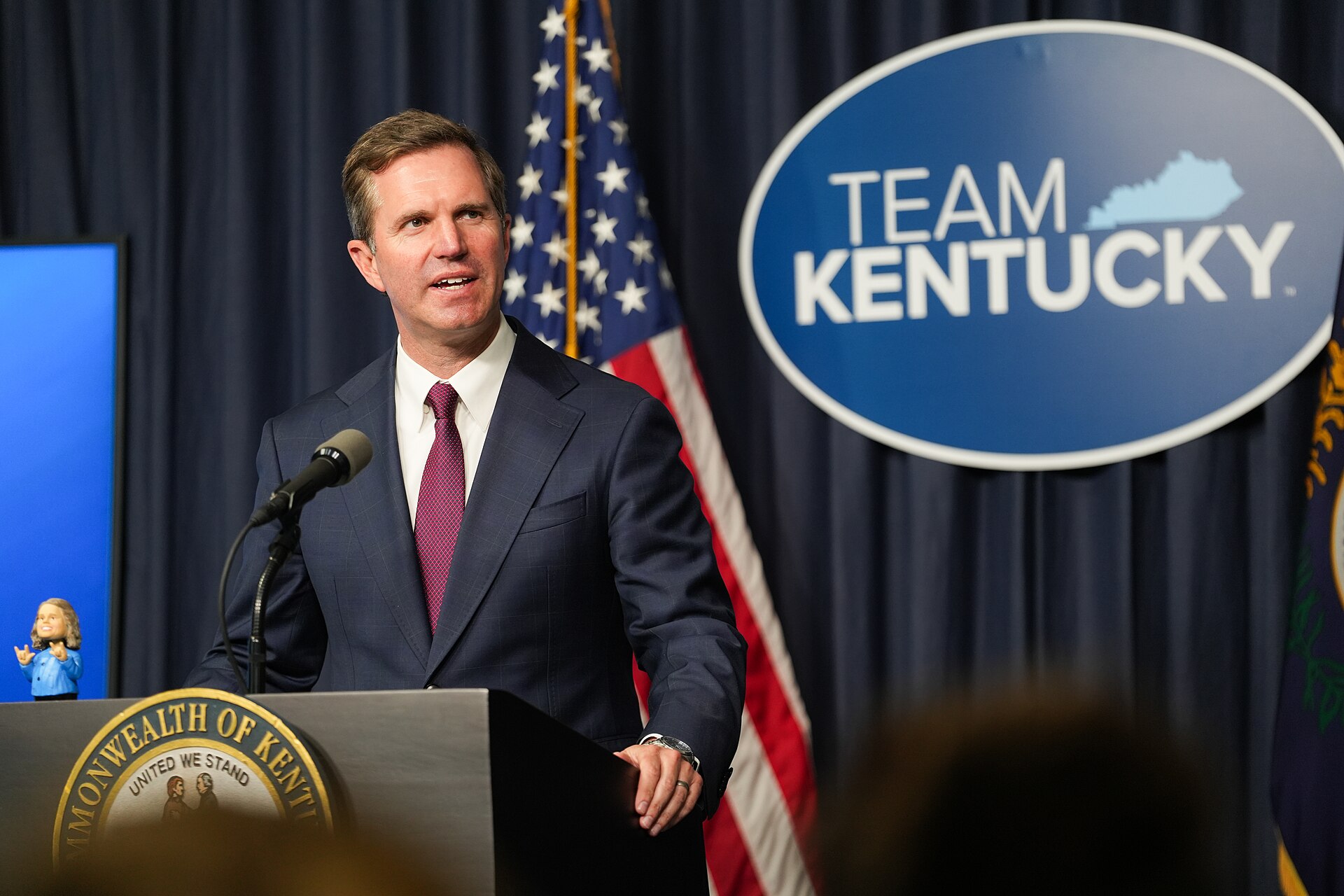
Kentucky Gov. Andy Beshear is trying to move the dispute over Sen. Mitch McConnell away from one date on the calendar. According to The New Republic, Beshear said Monday that an August 3 deadline connected to a possible special election has “no legal impact” on what he could do if McConnell’s Senate seat becomes vacant.
That does not mean Beshear can remove McConnell or install a successor. It means the governor is framing the issue differently: not as a simple deadline fight, but as a debate over Kentucky’s vacancy law, public transparency and the practical effect of a missing Republican vote in Washington.
The date Beshear is downplaying
The August 3 question matters because Kentucky’s rules for filling a U.S. Senate vacancy are politically sensitive and legally complex. Beshear’s latest position, as reported by The New Republic, is that the date does not control his options if a vacancy occurs.
That is a narrower claim than saying he has power over McConnell’s seat. The same report noted that Beshear never had authority to force McConnell out of office.
Beshear had previously urged McConnell to explain his absence from Congress or step down early enough for Kentucky voters to choose a replacement. His Monday message keeps pressure on McConnell while avoiding the idea that one deadline decides the entire vacancy process.
What the vacancy law does and does not settle
The legal backdrop is unsettled. The New Republic reported that, under Section 152 of the Kentucky Constitution, McConnell would have needed to resign at least three months before an election for a special election to be called on that schedule.
The report also said Kentucky’s House Bill 622 removed the governor’s ability to appoint interim replacements for vacant U.S. Senate seats. But that law remains legally untested, leaving room for dispute if an actual vacancy arises.
For now, the important point is limitation. Beshear is not announcing a replacement plan, and he is not claiming unilateral control over McConnell’s office. He is arguing that the legal calendar does not end the political argument.
The Senate math is Beshear’s pressure point
Beshear’s sharpest message is about votes, not appointments. In a statement on X, he wrote that there is “one less vote” for the SAVE Act, “Trump’s war with Iran,” or a potential Supreme Court replacement.
That statement tied McConnell’s absence to Republican priorities associated with Trump without proving that any specific vote has already failed because McConnell was away. The claim is political pressure built around Senate arithmetic: one absent senator can matter when margins are close.
By making that argument, Beshear is asking Republicans to account for the consequences of McConnell’s absence. If there is no replacement and no vote from McConnell, the governor’s point is that the GOP may be carrying the cost of uncertainty itself.
McConnell’s absence remains the center of the fight
Beshear has repeatedly pressed McConnell to justify being away from Congress or step aside in time for voters to choose someone else. That criticism has become the main vehicle for the governor’s argument.
The New Republic described Beshear as backing away from threats to replace McConnell while saying the senator’s extended absence could hurt Republicans all the same. That is a different kind of leverage: less about legal control and more about political accountability.
Republicans can argue that Beshear is using a senator’s absence for partisan advantage. Beshear’s counter is that Kentucky’s representation and Senate votes are public matters, especially when major national issues could come before the chamber.
Fancy Farm added a Kentucky contrast
The dispute also surfaced around Kentucky’s annual Fancy Farm picnic. According to The New Republic, Beshear came under Republican criticism after missing the event over the weekend.
Beshear used that criticism to point back at McConnell’s absence, casting the GOP reaction as misplaced. The contrast helped turn a procedural question about vacancy timing into a broader argument over what Republicans choose to scrutinize.
That is why the story is bigger than a technical reading of Kentucky election law. Beshear is trying to keep attention on McConnell’s public absence, while Republicans must decide whether to answer the criticism or treat it as a partisan attack.
What is still unresolved
The next question is not whether August 3 automatically settles the matter. Beshear says it does not, and the reported legal landscape suggests any real vacancy could raise new questions because House Bill 622 has not been tested in court.
It also remains unclear whether McConnell will respond directly to Beshear’s latest criticism or whether Senate Republicans will offer more detail about how they are handling his absence from Congress.
For now, Beshear’s argument is political rather than operational. He is not replacing McConnell. He is trying to make Republicans own the consequences of a missing vote while Kentucky’s vacancy rules remain uncertain.
Leave a Reply