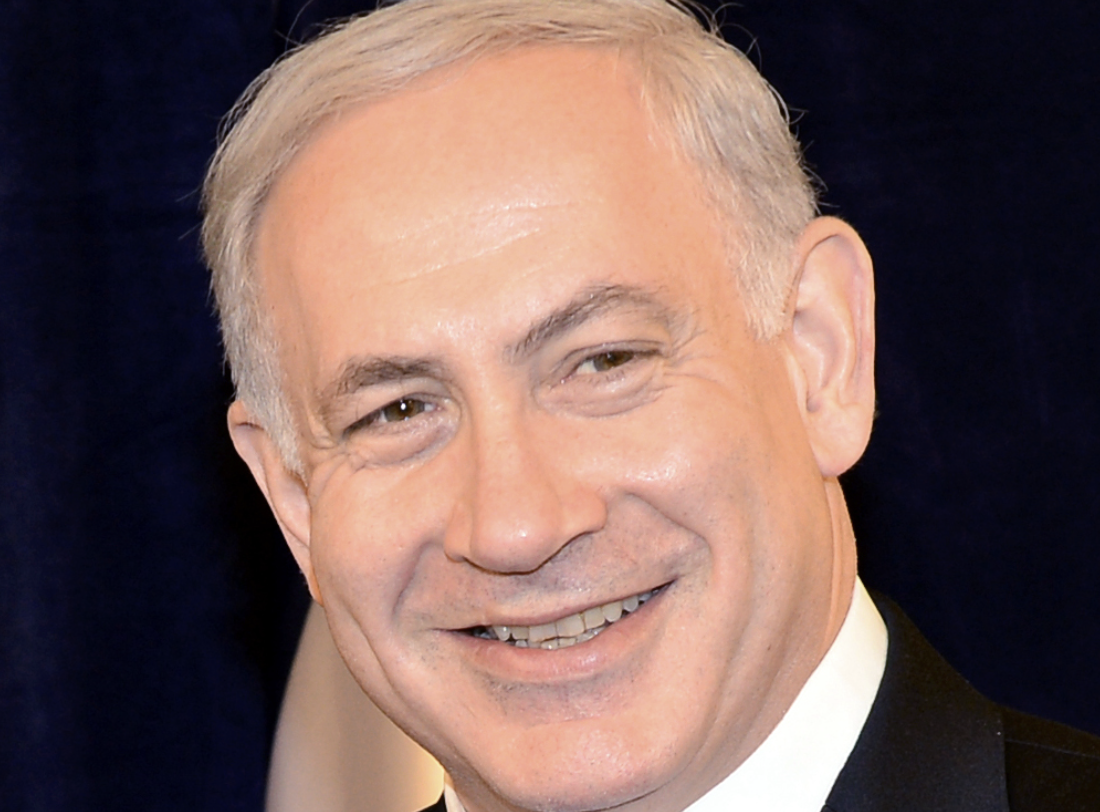
The survey lands as Netanyahu is expected to attend the U.N. General Assembly in New York City. The debate is less about what is likely to happen than what Americans now think the U.S. should do.
A new poll shows that many Americans would support the U.S. arresting Benjamin Netanyahu if he visited the country. The Netanyahu poll shows almost half — 49% — say the Israeli prime minister should be arrested in the United States based on an International Criminal Court warrant, according to an Economist/YouGov survey cited July 29, 2026.
Zohran Mamdani previously made a similar call in New York City, where Netanyahu is expected to visit for the United Nations General Assembly. The article should explain the poll results and the legal context: the ICC issued an arrest warrant tied to Israel’s war in Gaza, but U.S. officials face major legal and diplomatic barriers.
The poll’s sharp topline
The Economist/YouGov poll found 49% of Americans agreed Netanyahu should be arrested if he comes to the U.S. because of the ICC warrant. Another 27% said he should not be detained by the U.S., leaving a notable share either unsure or not taking a position.
That split is striking because the idea of arresting a sitting Israeli prime minister on U.S. soil sits far outside normal Washington policy. The United States is not a member of the International Criminal Court and has repeatedly rejected ICC jurisdiction over Israel.
The number also shows how public views on Netanyahu have become entangled with anger over the war in Gaza, frustration with U.S. foreign policy and partisan divisions at home. A position once largely confined to human rights groups and some international law advocates is now registering with a large share of respondents.
Why Mamdani became part of it
Mamdani’s role matters because he pushed the question from theory into city politics. He said New York City officials had examined whether the city could act on the ICC warrant if Netanyahu came to town, then said they did not find a legal pathway for the city to carry it out.
After that, Mamdani shifted the demand to the federal government, calling on U.S. officials to detain Netanyahu. BBC reporting described the move as a retreat from an earlier pledge, noting Mamdani cited a lack of authority at the city level.
The timing added pressure. Netanyahu is expected to attend the U.N. General Assembly in September, placing him physically in New York City even as the city’s mayor says he is not welcome.
Netanyahu has said he still intends to come and speak for Israel and the U.S.-Israel alliance from the U.N. podium. That sets up a political spectacle even if the legal odds of an arrest remain remote.
The ICC warrant behind the debate
The ICC warrant was issued in November 2024 and accuses Netanyahu of war crimes and crimes against humanity related to Israel’s military actions in Gaza. The warrant is the legal basis cited by those arguing he should face arrest if he travels abroad.
In countries that are members of the ICC, the legal picture is different. Member states have obligations connected to court warrants, although political realities can still complicate enforcement.
The United States, however, is not a party to the Rome Statute that created the court. That means the U.S. does not have the same treaty obligations as ICC member countries to arrest and transfer a suspect to The Hague.
That distinction is central. Support for arrest in a poll does not create legal authority, and city officials cannot simply override federal law, diplomatic rules or the special protections surrounding U.N. visits.
Washington is not moving that way
President Donald Trump, an ally of Netanyahu, has previously said Netanyahu would not be arrested in the United States. That position aligns with longstanding U.S. resistance to ICC action against Israeli leaders.
Even beyond the ICC issue, visits to the United Nations headquarters in New York carry special legal and diplomatic protections. The U.S. hosts the U.N. under agreements that are meant to allow foreign officials to attend U.N. business, including leaders whose governments have tense relations with Washington.
Those protections do not make every scenario simple, but they make a city-led arrest highly unlikely. They also explain why Mamdani’s revised call points at federal officials rather than local police.
The practical result is a wide gap between public sentiment and government action. A large share of Americans may say Netanyahu should be arrested, but the U.S. government is signaling the opposite.
Partisan lines are stark
The poll also found a deep partisan divide. About 68% of Democrats said Netanyahu should be arrested by the U.S., compared with about 24% of Republicans.
That gap reflects more than a legal disagreement. Democrats have become more divided over U.S. support for Israel during the Gaza war, with progressive voters especially critical of Netanyahu’s government. Republicans remain far more supportive of Netanyahu and more hostile to the ICC.
For some voters, the arrest question is a statement about accountability for alleged war crimes. For others, it is viewed as an attack on a U.S. ally and a misuse of an international court the U.S. itself does not recognize.
That is why the poll matters even if an arrest is unlikely. It captures a political mood: Netanyahu’s planned U.S. visit is no longer just a diplomatic stop. It has become a test of how Americans think power, law and alliance politics should interact.
What remains unresolved
The biggest unanswered question is not whether New York City can arrest Netanyahu. Based on the available reporting, Mamdani has already acknowledged the city lacks a workable legal path.
The harder question is how the U.S. handles the political fallout. If Netanyahu speaks at the U.N., protests and counterprotests are likely. Supporters will frame the visit as a defense of Israel’s legitimacy. Critics will frame it as impunity in the face of an international warrant.
The poll gives both sides something to point to. Netanyahu’s critics can say public opinion is shifting toward accountability. His defenders can say the U.S. legal system and federal policy are not governed by a single survey.
The clean takeaway is this: the arrest debate is legally constrained but politically alive. The ICC warrant, Mamdani’s pressure campaign and the 49% polling figure have turned Netanyahu’s expected New York visit into a flashpoint over whether U.S. loyalty to an ally should have limits.
Leave a Reply