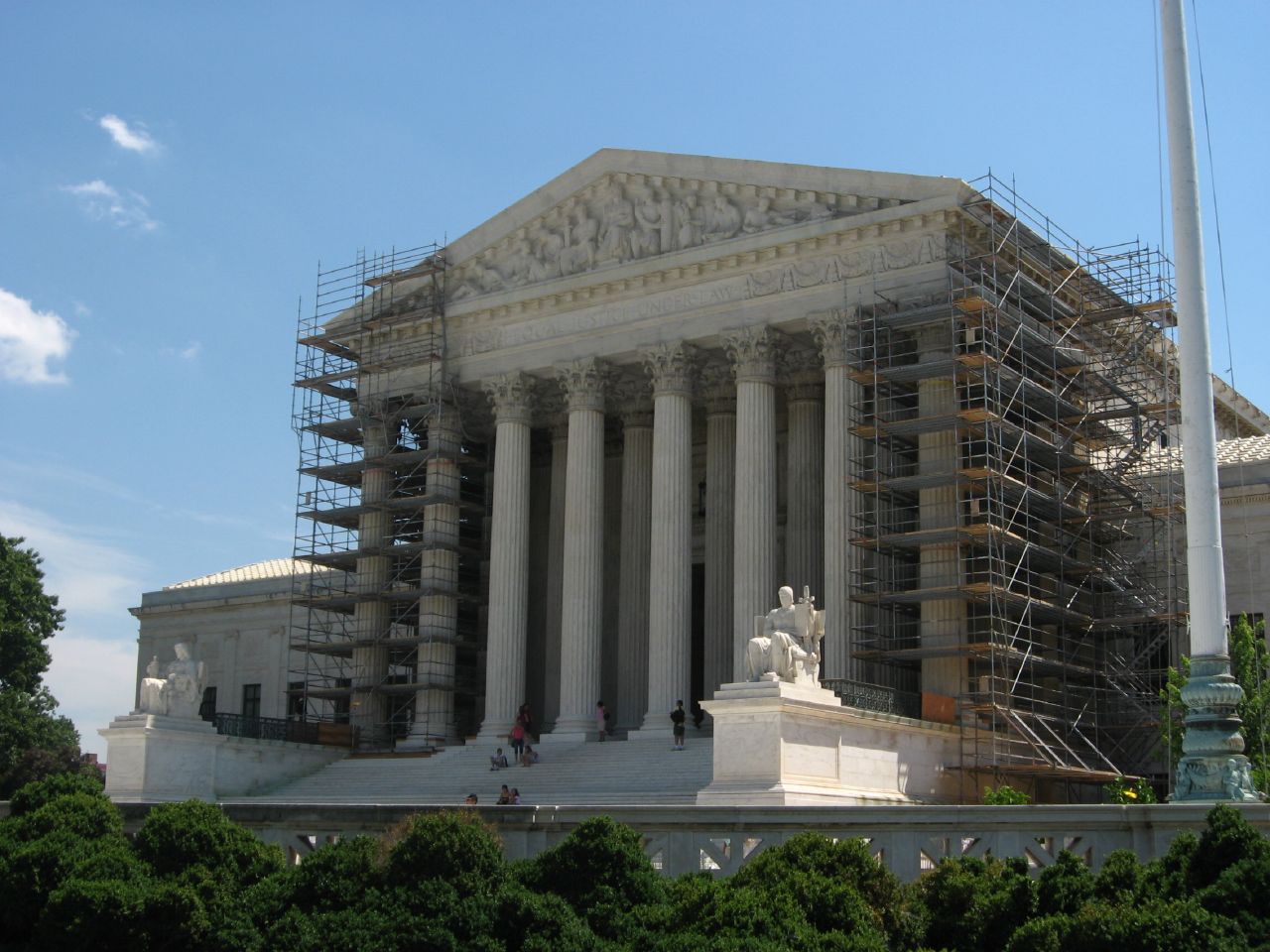
The court did not rule that Donald Trump’s mail-voting order is legal. It ruled that the states challenging it could not bring this particular case, leaving a consequential but uncertain fight over election rules before November.
On Monday, the Supreme Court backed Donald Trump’s order restricting mail-in voting, clearing a path for the Trump administration to begin pursuing some mail-ballot restrictions before the November elections. The ruling affects a challenge brought by Democratic-led officials in 23 states and the District of Columbia, while litigation in Boston and other courts could still delay or limit implementation.
The immediate takeaway is consequential but narrower than the headline sounds: the Supreme Court did not decide whether Trump’s order is lawful. Instead, its conservative majority concluded that the states that sued did not have the legal right to press this challenge at this stage.
The ruling turns on standing
The case reached the Supreme Court on its emergency docket after lower-court fights over Trump’s March executive order. The administration had argued that the states filed suit too early, before the federal government had completed the policies described in the order.
The court accepted that procedural argument. In an unsigned order, the majority said its decision should not be read as a guarantee that any eventual government action under the order will be legal.
That distinction matters. A ruling on legal standing can remove one obstacle without resolving the constitutional and statutory disputes that sit underneath it. Lower courts may still be asked to evaluate specific actions once federal officials take them.
The three liberal-leaning justices dissented publicly. Justice Ketanji Brown Jackson argued that the decision makes it harder for certain plaintiffs to bring election-related cases before disputed rules take effect.
What Trump’s order would change
Trump’s executive order calls for the administration to develop lists of people eligible to receive mail ballots. It directs the U.S. Postal Service to deliver mail ballots only to voters included on those lists.
Requirements released by the Postal Service last week, according to the Associated Press, would bar it from sending mail ballots from states that do not comply with the administration’s order. That could put federal policy in direct conflict with state-run election systems.
Trump and his allies frame the plan as an election-integrity measure and have emphasized concerns about noncitizen voting. But voting by noncitizens is exceedingly rare, and it is already illegal; it can carry serious criminal and immigration consequences.
Critics say the order risks placing federal pressure on election rules that have historically been administered largely by the states, subject to federal laws passed by Congress. The 23 states and the District of Columbia that sued argued that the Constitution assigns election authority to states and Congress, not the White House acting alone.
A calendar leaves little room
Even with the Supreme Court’s order, the administration faces a practical problem: election preparations are already underway. North Carolina is scheduled to send ballots to overseas and military voters on Sept. 4, and other states are expected to follow quickly.
That timetable makes broad changes difficult. Election offices need time to update voter records, ballot-request systems, printing and mailing procedures, public guidance and training for staff. Any late shift can generate confusion even if a policy is ultimately upheld.
State and local election officials told the court that major changes close to the fall election could create serious disruption. Their concern is not only whether voters qualify for a ballot, but whether the rules are clear enough to be applied consistently across counties and states.
About 30% of ballots in the 2024 presidential election were cast by mail, according to federal data cited by the AP. Mail voting is used by voters of both major parties, although its availability and procedures vary widely by state.
Other court orders still matter
The Supreme Court’s decision does not automatically erase all injunctions against the policy. A federal judge in Massachusetts had blocked the plan for the midterm elections in the states involved in that case, and an appeals court upheld that ruling.
The judge later issued a separate nationwide order in another case. After Monday’s Supreme Court decision, the Trump administration asked the judge to lift or suspend that nationwide block, making the Boston-area litigation an important next test of how quickly the policy can move.
There is also a conflicting legal path from Washington state, where a judge allowed Trump’s order to proceed. An appeals court upheld that outcome while leaving room for later challenges if and when the government implements particular changes.
Those competing rulings explain why Monday’s decision is not the final word. The Supreme Court opened a door for the administration, but the remaining cases could narrow the policy, freeze it again or force officials to revise how it works.
The fight reaches beyond mail ballots
Mail voting has been a frequent target of Trump’s political claims since the 2020 election. Trump has alleged, without credible evidence, that mail ballots caused his loss to Joe Biden, despite his own use of mail voting.
Research and election reviews have consistently found that fraud involving mail ballots is rare. A 2025 Brookings Institution study cited by the AP found roughly four fraud cases per 10 million mail ballots cast.
That does not end the policy debate. Supporters of tighter rules argue that voter-list controls can increase confidence in elections and help ensure ballots reach eligible voters. Opponents counter that restrictions can create barriers for military personnel, overseas citizens, older voters, people with disabilities and voters who rely on mail delivery because of work, travel or distance.
The sharper question now is whether the administration can translate an executive order into workable rules without colliding with state authority, existing court orders and the compressed schedule before November.
What voters should watch next
For most voters, no immediate nationwide change was announced by the Supreme Court itself. The court’s action affects the government’s ability to proceed, not the details of a finalized mail-ballot system.
The next developments are likely to come from lower courts, the Justice Department, the Postal Service and state election offices. Any new federal requirements could trigger fresh lawsuits focused on concrete implementation rather than the order in the abstract.
Voters who expect to use a mail ballot this fall should rely on their state or local election office for deadlines and eligibility rules, rather than assume the Supreme Court decision has changed their status. The legal fight has accelerated, but the rules that govern November voting remain unsettled.
Leave a Reply