The Justice Department’s dispute with states over voter-registration data is moving toward a possible Supreme Court test. The fight reaches beyond election administration, raising questions about federal power, personal data and who controls the mechanics of voting.
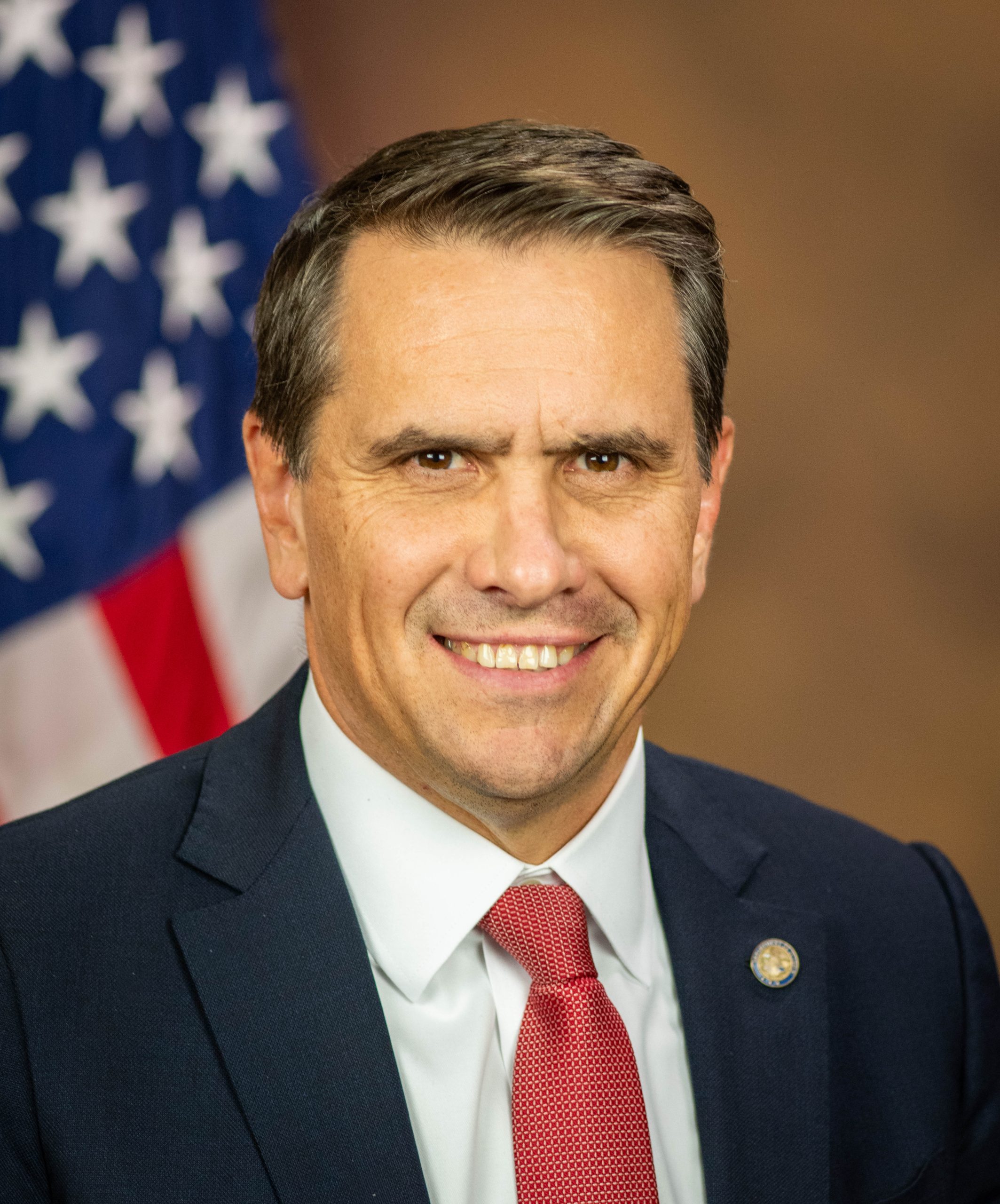
Attorney General Todd Blanche said the Justice Department may ask the Supreme Court to intervene in litigation over federal access to state voter rolls ahead of the November midterm elections. The DOJ has lost 22 cases so far in its broader push for voter-roll data, a campaign involving dozens of disputes with state governments and a potentially consequential test of federal authority over elections.
Blanche’s comments do not mean an appeal is already before the court. They do signal that the administration is considering its next move after federal judges in multiple states sided with officials seeking to block the government’s access to detailed registration information.
The DOJ’s possible Supreme Court move
Asked on NBC News’ Meet the Press whether the Justice Department could take the cases it has lost to the Supreme Court, Blanche said that was “absolutely” a possibility.
The immediate legal picture is fragmented. Individual cases have been decided in lower federal courts, rather than through one nationwide ruling. A Supreme Court appeal could give the administration an opportunity to seek a broader answer to the central question: how much voter-roll information may the federal government demand from states?
For now, it remains unclear which case, if any, the Justice Department would choose as the vehicle for a Supreme Court appeal, when it might file, or whether appellate courts will first weigh in. The Supreme Court generally takes only a small share of the cases presented to it, and it is not required to step in simply because the federal government asks.
What data the government wants
The dispute grew out of an executive order signed by President Donald Trump asking states to provide voter rolls to the federal government. According to NBC News, the requested material includes names, dates of birth, residential addresses, state driver’s license information and the last four digits of Social Security numbers.
The administration says the data is needed to investigate possible election-related “deficiencies” or “anomalies,” including whether noncitizens may be registered to vote. Blanche framed the effort as part of an obligation to ensure elections are fair and conducted properly.
That framing matters because voter rolls are not a single uniform national list. States and local election authorities maintain them, applying their own procedures within a web of federal and state election laws. The federal government does not typically run the voter-registration systems that determine who is on those lists.
Why states are resisting disclosure
Some states have voluntarily provided data, but the Justice Department has sued 30 states and Washington, D.C., over refusals to comply, NBC News reported. At least 22 states have prevailed in efforts to prevent federal access, including in cases decided by judges in Oregon and Michigan.
States challenging the requests argue, in effect, that election administration has traditionally been their responsibility and that sensitive voter information deserves careful protection. The state coalition is not neatly partisan: Republican-led states including Idaho, Nevada, Utah, Georgia and Vermont are among those fighting the administration in court.
Vermont Gov. Phil Scott, a Republican, said last month that state officials are better positioned than the federal government to run elections. That position captures a core tension in the litigation. Even officials who support secure and accurate voter rolls may disagree sharply over whether Washington should hold this volume of personal registration data.
Courts have rejected the request
The administration’s potential Supreme Court strategy comes after a string of lower-court setbacks. Federal judges have agreed with states that sought to keep their voter rolls from being turned over to the Justice Department.
Those rulings do not necessarily settle every version of the dispute. Court decisions can turn on the wording of a specific demand, the legal authority cited by the government, privacy protections, procedural requirements and the particular state involved.
Still, 22 losses give the Justice Department a strong reason to look for a higher-court ruling that could bring consistency to the cases. They also give states reason to argue that the administration’s approach has repeatedly failed judicial scrutiny.
A Supreme Court case would put the justices at the intersection of election oversight, executive power, state sovereignty and data privacy. It would not decide an election result. It could, however, shape what information federal officials may obtain while investigating election practices.
The election-integrity argument divides
Blanche said election integrity was a central issue for Trump’s campaign and that the Justice Department should investigate concerns about whether elections are fair. Supporters of the data push may see broad federal access as a way to identify registration problems and enforce election laws consistently across states.
Critics see a different risk: a federal data-gathering effort that could intrude on state authority, expose sensitive personal information or create pressure around voter registration close to an election. They also note that assertions about voter-roll irregularities require evidence and that voter-roll maintenance is already governed by state processes and federal rules.
The legal fight is therefore about more than whether lists are accurate. It is also about who gets to define the problem, inspect the records and decide what remedy is permitted. Those questions are especially politically charged with November’s midterm elections approaching.
What remains unresolved before November
No Supreme Court appeal has been announced, and Blanche described such a move as a possibility rather than a settled decision. The DOJ could continue pursuing appeals in lower courts, narrow or revise particular requests, or select a case it believes offers the best path to the justices.
States, meanwhile, will continue administering elections under their existing systems unless a court order changes their obligations. The current rulings mean the administration has not yet secured the broad voter-roll access it sought in the cases where states prevailed.
Blanche’s remarks also arrive soon after his Senate confirmation, following several months as acting attorney general. Democrats have raised concerns about his prior personal legal work for Trump and his independence; Blanche has said he and DOJ prosecutors will act with integrity and without fear or favor.
The voter-roll litigation will test those competing views in a concrete setting. The next major development is likely to be less about rhetoric than legal procedure: whether the Justice Department files an appeal capable of putting this state-versus-federal election dispute before the Supreme Court.
Leave a Reply