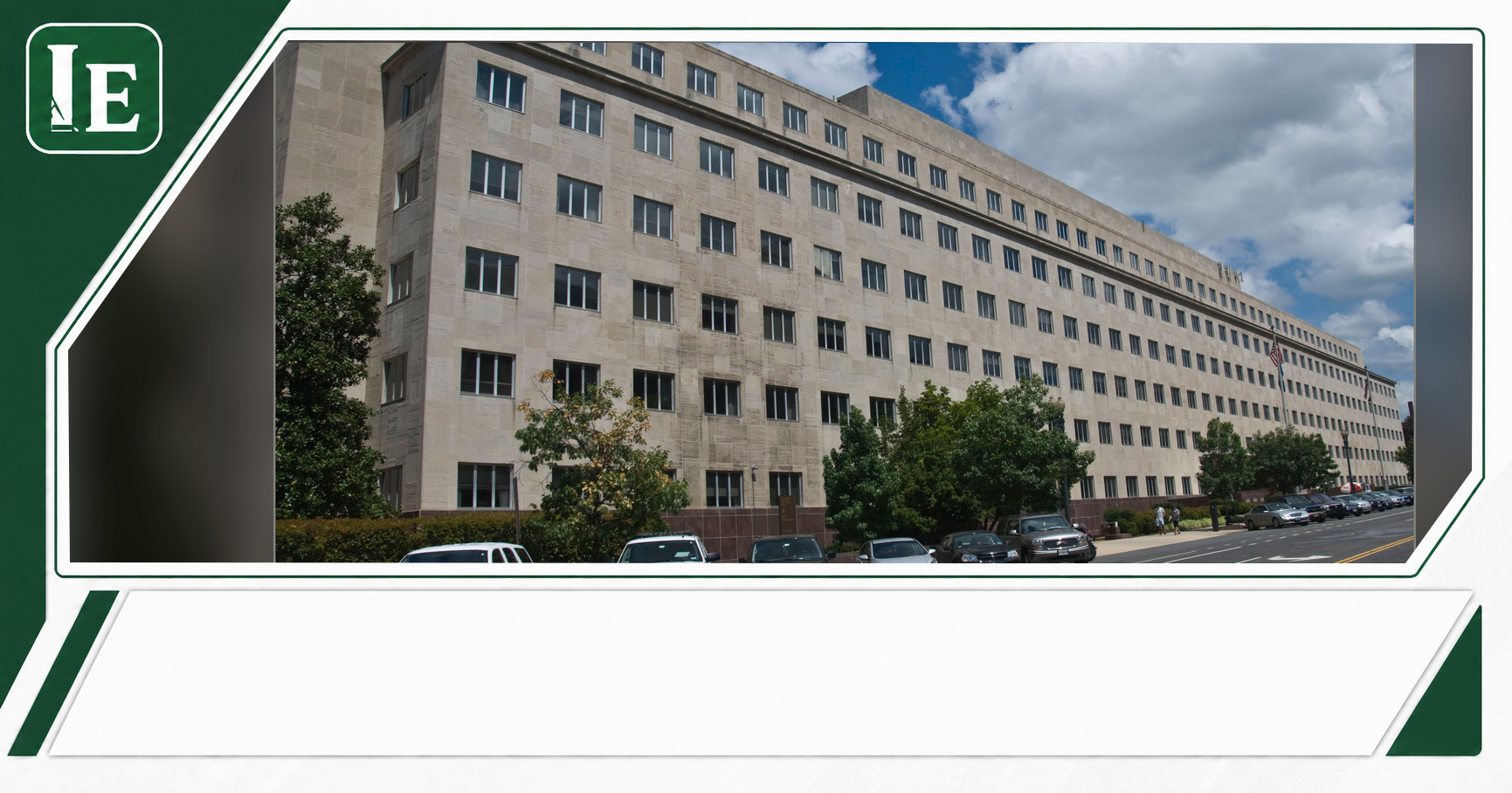
The federal watchdog’s review does not challenge the goal of reducing government waste. It challenges whether DOGE’s public accounting gave taxpayers and policymakers enough reliable evidence to measure the results.
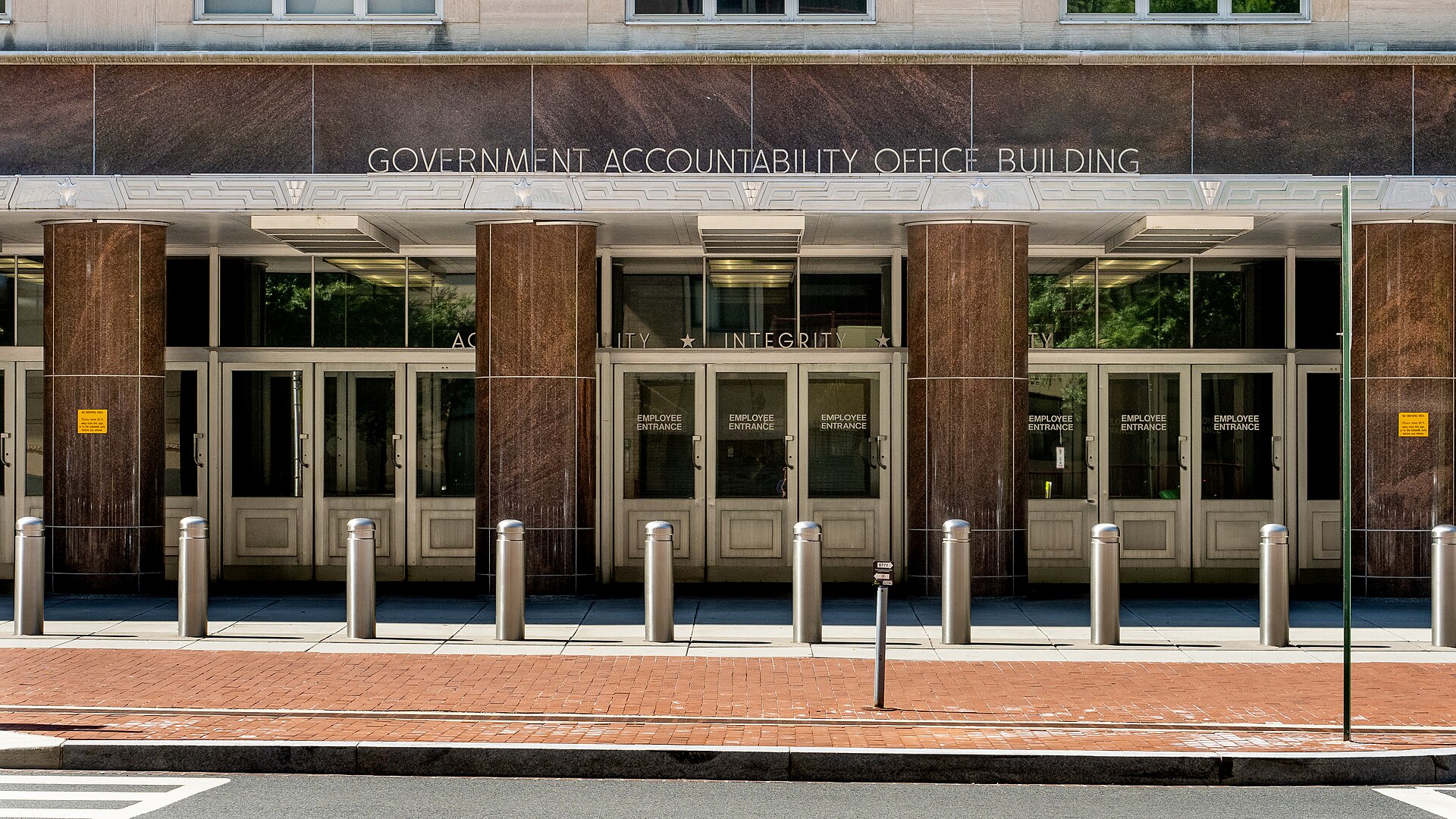
DOGE’s Wall of Receipts contained inaccurate savings claims, and the Government Accountability Office found inaccuracies and unsupported claims in the Department of Government Efficiency’s public tally. In a review covering Jan. 20, 2025, through July 7, 2026, GAO said $110 billion in DOGE-reported savings from contracts, grants and leases included estimates that were incorrect or lacked supporting evidence.
The finding matters because DOGE’s Wall of Receipts was designed as a public scorecard for a politically charged effort to cut federal spending. GAO’s review raises a basic accountability question: when the government claims savings, what proof should it provide before those figures are treated as real?
What GAO found in the tally
GAO’s review focused on the savings entries DOGE publicly posted for terminated or reduced federal contracts, leases and grants. The watchdog did not say every item was wrong. Its concern was that the overall presentation included significant claims that could not be substantiated or that did not follow DOGE’s stated approach for calculating savings.
That distinction is important. A contract being identified for review, a lease being scheduled to end, and money actually being saved are not necessarily the same thing. A reliable savings figure needs to account for whether an action occurred, when it occurred, what would have happened otherwise and whether the full listed amount was truly avoidable.
GAO said the Wall of Receipts did include some underlying information and data sources. But it concluded that the site did not adequately disclose limitations affecting the quality of the numbers. The agency recommended that DOGE prominently display those limitations and data-quality issues.
Leases already headed for closure
One of GAO’s clearest examples involved federal leases. Of the 264 leases DOGE said it terminated, 108 were already in the process of being eliminated before DOGE was created in January 2025, according to the watchdog.
That does not mean ending those leases produced no benefit for the government. It means DOGE may have received credit for savings that were already expected to occur. In budget oversight, that is a major difference: avoiding a future cost through a new decision is not the same as recording a planned cost reduction as a new achievement.
The issue goes beyond a dispute over labels. If a public savings tracker counts actions already underway, the total can make a program’s direct effect look larger than it was. GAO’s finding points to the need for a clear baseline—what federal agencies would have spent or canceled absent DOGE’s involvement.
The $1.7 billion contract example
GAO also flagged a Pentagon Defense Health Agency information-technology contract that DOGE listed as generating $1.7 billion in savings. According to the review, DOGE identified the contract for termination but did not ultimately terminate it or reduce its funding.
That example highlights the gap between an announced target and an executed cut. Governments frequently explore ending, renegotiating or scaling back contracts. The fiscal result cannot be counted as a completed savings until the underlying action is carried out and the financial impact can be measured.
For readers trying to assess such figures, the practical test is straightforward: Was the contract actually canceled or reduced? Was the amount saved calculated from future payments that would otherwise have been made? And did the government have to spend money elsewhere to replace the service? Those details determine whether a headline number represents savings, a projection or simply an intention.
Missing methods cloud grant claims
GAO found another problem in DOGE’s reporting on grants. The watchdog said DOGE did not provide enough information to verify the calculation method for 96% of the savings it reported from grants.
A number without a disclosed method is difficult for outsiders to evaluate. A grant can be paused, rescinded, reduced, redirected or subject to legal and administrative limits. Each scenario may carry a different budget consequence, and the reported amount can vary depending on whether the calculation uses total award value, unobligated funds or projected future spending.
GAO also said DOGE failed to use its own stated methodology for calculating the majority of savings tied to contracts reported as terminated. The criticism is not merely technical. Consistent methods let policymakers compare projects, spot errors and understand whether a total is changing because of real actions or changing assumptions.
Transparency is the larger test
DOGE was launched after President Donald Trump took office in January 2025, with Elon Musk overseeing and heavily influencing the initiative in its early months. The Wall of Receipts became one of its most visible products, publishing itemized claims of government savings that were also shared through DOGE’s account on X.
Supporters of DOGE’s mission can reasonably argue that federal agencies need stronger pressure to identify waste, reduce excess spending and make procurement more efficient. GAO itself said information like the Wall of Receipts can have significant value. A public list can create a useful expectation that officials show their work rather than merely announce a broad total.
Critics, including the Democratic senators who requested the review, say the weak documentation undermined that purpose. Their argument is that an eye-catching savings total is not enough if the public cannot tell whether the cuts happened, whether they were already planned or how the figure was calculated.
DOGE did not respond to GAO’s requests for information or interviews, according to the report. That leaves important questions unresolved, including whether the former initiative disputes specific findings, plans to correct the public record or has documentation it did not provide to auditors.
What happens after DOGE’s closure
DOGE concluded operations on July 4, while the Trump administration has said agency heads would continue pursuing taxpayer savings. That makes GAO’s findings relevant beyond one office or one online tracker.
Federal agencies will still make decisions about contracts, grants, property and staffing. If they report savings from those actions, the same standards will apply: clear assumptions, a documented baseline, consistent methods and frank disclosure of uncertainty.
The clean takeaway from GAO’s review is not that government savings efforts should stop. It is that savings claims need to be auditable. Cutting costs may be politically popular across ideological lines, but public confidence depends on whether the numbers can withstand a close look.
Leave a Reply