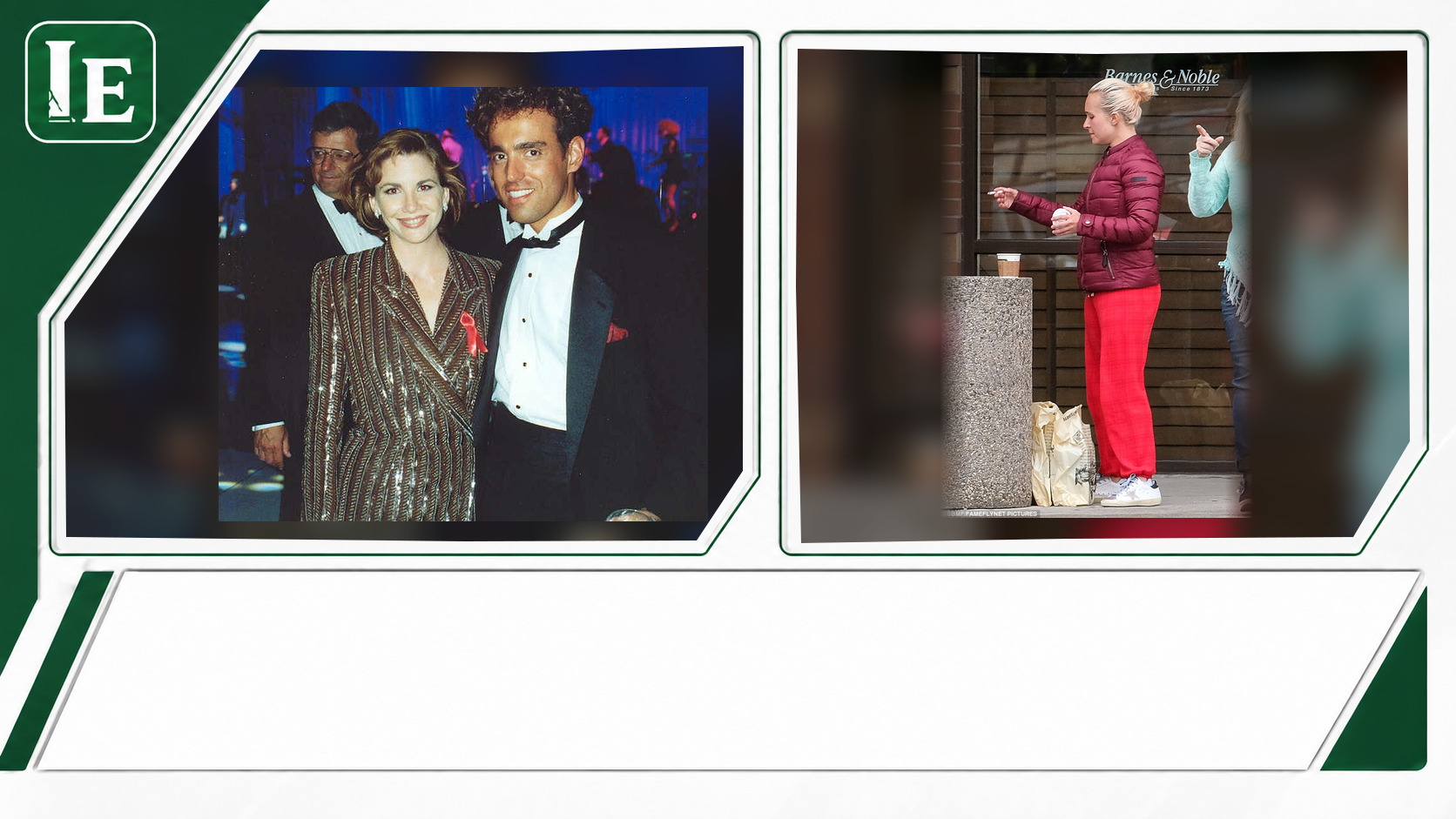
Gilbert’s response goes beyond mourning a fellow former child star. She is pressing studios and networks to build lasting protections, including free mental health support as young performers enter adulthood.
Melissa Gilbert called for “real change” after Hayden Panettiere’s death, arguing that Hollywood needs better protections for child actors. In a newly published essay, Gilbert proposed industry-wide cooperation on accessible, free mental health support for young performers as they transition into adulthood.
Panettiere, the actor known for Heroes and Nashville, was found unresponsive at a South Carolina apartment complex on Aug. 16, according to USA Today. She was 36, and a cause of death had not been determined when the report was published.
Gilbert turns grief into a demand
Gilbert’s argument is rooted in lived experience. She became a household name while playing Laura Ingalls on Little House on the Prairie, and she wrote that the recent deaths of former child performers felt personal because she had been part of the same professional world.
Her essay, titled Enough Is Enough and published on Substack on Aug. 22, connected Panettiere’s death with the deaths of Michelle Trachtenberg and Daveigh Chase. Gilbert’s central point was not that those deaths share a known cause. It was that their proximity should force a harder look at the pressures faced by children who work in entertainment.
She criticized an industry she said can use, exploit and discard its youngest workers, especially in an era when phones and social platforms can turn private struggles into public content. Her frustration was aimed at a familiar cycle: widespread concern after a tragedy, followed by little visible structural action.
The specific change Gilbert wants
Gilbert did not limit her response to a general plea for Hollywood to do better. She called for former child actors to organize, exchange ideas and speak directly with studio and network leaders about reducing exploitation.
Her most concrete proposal is accessible, free mental health support for child actors as they move into young adulthood. Gilbert said that goal would require industry-wide cooperation, placing responsibility not only on families or individual performers but also on employers with the power to fund and normalize care.
- Support that remains available during the transition from childhood work to adult life
- A system that does not depend on a young performer or family privately seeking help
- More room for children to refuse work that worsens physical or emotional distress
- Direct conversations between former child actors and decision-makers at studios and networks
That framing matters. Many entertainment safeguards focus on set hours, schooling requirements, earnings or the presence of guardians. Gilbert is pointing toward the less visible aftermath of early fame: mental health, autonomy and the pressure to keep working regardless of a child’s condition.
Why saying no is central
In the essay, Gilbert recalled working while sick or injured and described occasions when she felt pushed beyond safe limits. Her larger concern is that a child actor may learn early that being professional means being agreeable, available and willing to perform through pain.
That expectation can be particularly difficult when a young person’s income supports adults around them. Gilbert argued that children should be allowed to be children, rather than being expected to carry a family’s financial hopes or to endure constant observation from cameras and strangers online.
The issue is not a claim that every child performer has the same experience. Some former child actors and families have described supportive productions, close supervision and meaningful opportunities. But Gilbert’s case is that protections should not depend on a fortunate set, a well-resourced parent or a child’s ability to recognize and voice distress.
Panettiere’s account adds context
Three months before her death, Panettiere published a memoir, This Is Me: A Reckoning, in which she described troubling experiences from her years in Hollywood. She wrote that, as a child actor, she trained herself to summon painful emotions in order to cry on camera.
Panettiere said the technique created genuine fear and stress responses in her body, and she reflected on the impact she believed that process had on her developing brain and sense of well-being. Her account offers important context for Gilbert’s argument about mental health care, though it does not establish the cause of Panettiere’s death.
That distinction is essential. Public discussions following a celebrity death can quickly turn personal testimony into speculation. Gilbert’s essay is instead a policy-oriented response: a call to examine conditions for young performers without claiming to know why Panettiere died.
Other former stars see a wider problem
Gilbert is not alone in questioning whether existing protections are adequate. Anna Paquin, another former child actor, wrote in an Aug. 21 Instagram post that the formal systems intended to protect young performers had not always worked as they appeared to on paper.
Rose McGowan, who appeared in the Scream franchise with Panettiere, took a more sweeping position. In an Instagram post after Panettiere’s death, McGowan called for an end to child acting altogether.
The difference between those responses reveals the unresolved debate. McGowan’s view questions whether child participation in show business can ever be made safe enough. Gilbert’s approach accepts that children will continue to work in entertainment and argues that the industry must create stronger guardrails around them.
What a real response would require
Gilbert’s call will be measured by whether it becomes more than a moment of shared mourning. A meaningful response would require studios, networks, unions, parents, advocates and former performers to agree on who pays for services, who ensures confidentiality and how support continues when a young actor leaves a series or ages out of a role.
It also raises unanswered questions about enforcement. Mental health resources can be offered without being easy to access, and a child may still fear professional consequences for declining a scene, reporting mistreatment or stepping back from work.
For now, Gilbert has put a clear demand on the table: the entertainment business should treat child performers as children first, workers second, and support them long after the cameras stop rolling. In the wake of Panettiere’s death, her argument is that sympathy is not the same thing as protection.
Leave a Reply