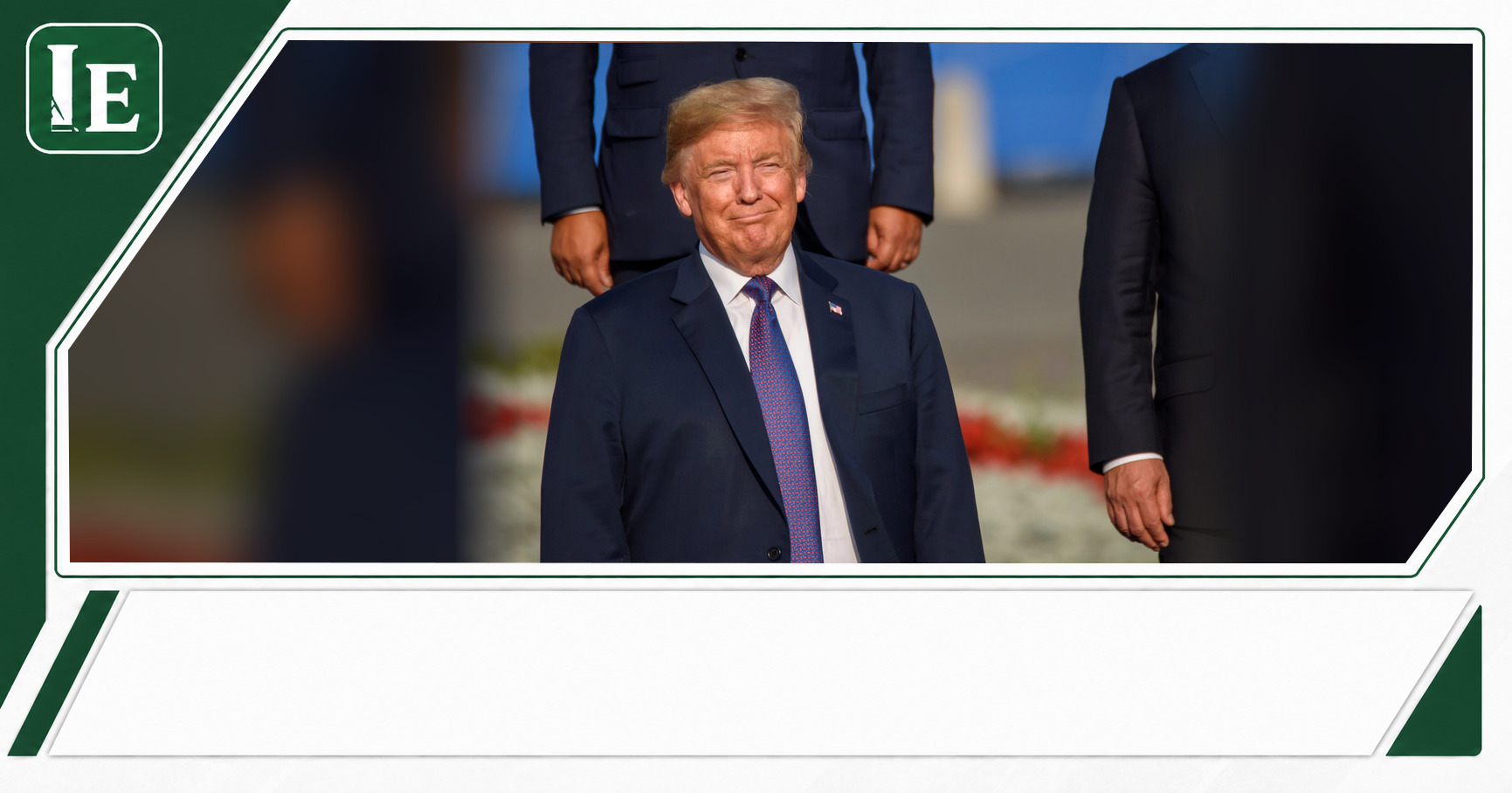
The reported repeat arrests of Trump pardon recipients have put renewed attention on how presidents use one of their broadest constitutional powers. An arrest is not a conviction, and the reported total needs to be read with that distinction in mind.
Nearly 100 people pardoned by Donald Trump have been arrested again, according to a report highlighted by The Independent. The repeat arrests of Trump pardon recipients are drawing scrutiny because a presidential pardon is among the most sweeping powers in American politics, yet it does not shield anyone from future alleged crimes or guarantee a clean record after release.
The reported figure is politically potent, but it requires care: an arrest is an allegation, not proof of guilt, and the available material does not spell out the methodology behind the nearly 100 total. The more useful question is what those later arrests say about clemency decisions, screening and accountability.
What the reported total means
The central claim is that nearly 100 people who received pardons from Trump were later arrested. That is a notable number because pardons are typically framed as acts of mercy, corrections of perceived injustice or recognition of rehabilitation.
But a rearrest count alone is not a final measure of whether every pardon was wise or unwise. It does not tell readers how many cases led to charges, convictions, dismissed cases or acquittals. It also does not identify the alleged conduct, how long after clemency it occurred, or whether arrests involved federal, state or local authorities.
Those distinctions matter. A person can be arrested and never prosecuted, can have charges reduced or dismissed, or can ultimately be found not guilty. Conversely, an arrest record may point to serious allegations that merit close public attention even before a case reaches trial.
A pardon is not future immunity
A president’s clemency authority covers federal offenses. A pardon may forgive a past federal crime and can remove certain legal consequences of that conviction, but it does not authorize future wrongdoing. It also does not prevent state authorities from pursuing state-law cases.
That basic limit can get lost in the politics around high-profile pardons. Clemency is backward-looking: it addresses a conviction or sentence already on the books. Law enforcement and courts retain authority over conduct alleged to have occurred afterward.
The distinction is especially important when public figures use the word “pardoned” as shorthand for exonerated. A pardon is not necessarily a declaration that the recipient was factually innocent. Presidents can grant clemency for many reasons, including sentence length, humanitarian concerns, evidence of rehabilitation, support from advocates or a belief that the prosecution was unjust.
One documented case illustrates stakes
A previously reported example shows why later allegations can revive debate over a pardon. NBC News reported in 2023 that Eliyahu “Eli” Weinstein, who received clemency from Trump in January 2021, was arrested and charged alongside four other men in a New Jersey federal fraud case.
Federal prosecutors alleged that Weinstein and others defrauded more than 150 people of roughly $35 million in a Ponzi-like scheme. The Justice Department alleged he used an alias and participated in efforts to conceal his identity and assets. Those were allegations in a criminal case, not a verdict at the time of the report.
Weinstein had served about eight years of a 24-year sentence for his role in an earlier real-estate Ponzi scheme before receiving clemency. His case does not prove the broader nearly 100 figure, but it illustrates why a later arrest can become part of a larger argument about the risks of individualized presidential mercy.
The argument over clemency screening
Critics of broad or politically connected pardons argue that later arrests expose weaknesses in the process used to evaluate applicants. They contend that clemency should rest on rigorous review of a person’s conduct, restitution obligations, support systems and likelihood of successful reentry.
Supporters of expansive clemency take a different view. They argue that the justice system can impose excessive punishments, that people can change, and that a later allegation should not erase the reasons a pardon may have been justified at the time. They also note that no screening process can reliably predict every person’s future behavior.
Both ideas can be true at once. A system that permits mercy must accept uncertainty, but public confidence depends on presidents explaining why specific cases deserved exceptional treatment—particularly when recipients have wealth, political ties or high public profiles.
- For critics: repeat arrests may suggest insufficient vetting or a clemency process influenced by access.
- For supporters: an arrest is not a conviction, and clemency should not be reserved only for applicants with perfect future records.
- For the public: transparent records make it easier to judge the decisions without treating every pardon recipient as the same.
Why definitions will shape debate
The reported nearly 100 figure will be most meaningful if it is accompanied by a public accounting: the names involved, original offenses, dates of clemency, arrest dates, jurisdictions, alleged new offenses and final case outcomes. Without those details, a headline figure can invite conclusions that the underlying data may not support.
There is also a difference between examining a pardon recipient’s later arrest and claiming that the pardon caused that arrest. The first is a factual tracking exercise. The second requires evidence about decision-making, supervision, treatment, employment, restitution and other factors that affect reentry after incarceration.
Presidents of both parties have used clemency in contested ways, and critics often focus on the recipients connected to the other side. That makes consistent standards more valuable than partisan labels: clear records, candid rationales and follow-up reporting on how clemency programs work in practice.
The unresolved question is accountability
The report’s claim puts a sharp spotlight on Trump’s pardon record, but the responsible takeaway is narrower than the headline may suggest. Nearly 100 later arrests, if accurately counted, would warrant serious examination. It would not mean every recipient committed a new crime, nor would it settle the merits of every original pardon.
What remains unclear from the available report is how the total was assembled and how many cases produced convictions or remain pending. Those answers would determine whether the figure is mainly a warning about a small group of high-profile cases, a broader pattern in presidential clemency, or a mix of very different circumstances.
For now, the debate returns to the core tension of the pardon power: presidents are allowed to make individualized judgments that courts cannot. The public, in turn, is entitled to demand enough transparency to evaluate the consequences when those judgments are tested by later events.
Leave a Reply