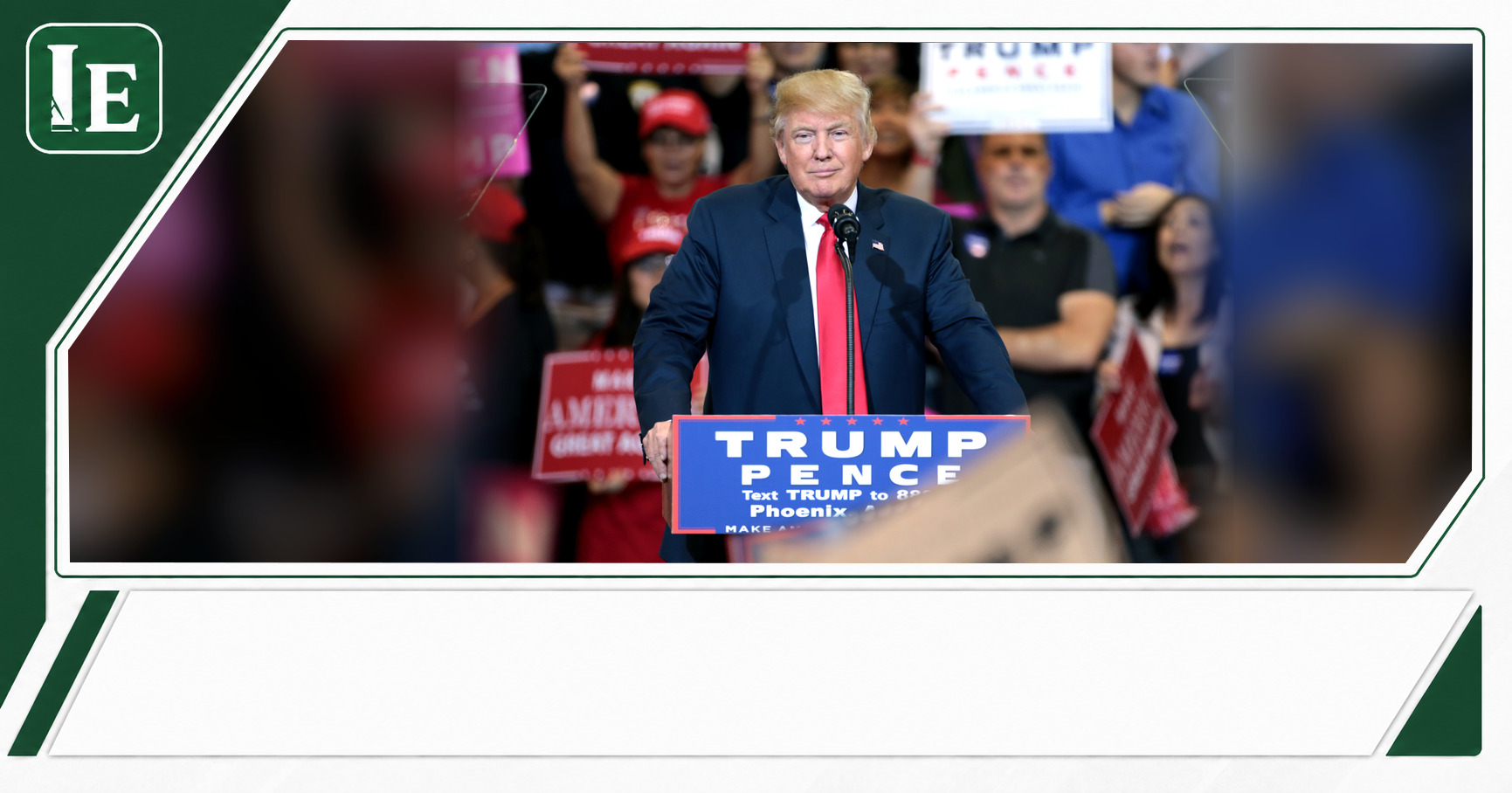
A temporary import expansion is meant to address costly ground beef at the grocery store. The dispute is over whether it can help shoppers without worsening the challenges facing U.S. cattle producers.
Donald Trump’s beef import plan is intended to lower high ground-beef prices by increasing imports of lean beef trimmings from Argentina, but U.S. ranchers criticized the move and warned it betrays domestic cattle producers. The plan has backfired politically because it permits an additional 80,000 metric tons per year to enter the United States at a lower tariff rate while ranchers face a historically small herd.
The White House is responding to ground beef that averaged $6.69 per pound in December 2025. Its argument is that more lean trimmings can expand supply for American consumers; its critics say cheaper grocery bills are not guaranteed and could come with new pressure on U.S. cattle producers.
A targeted change, not open imports
The policy does not eliminate barriers for all beef imports. In a February 2026 proclamation, Trump directed a temporary expansion of the amount of lean beef trimmings eligible to enter at the lower, in-quota tariff rate under the U.S. beef tariff-rate quota system.
Lean trimmings are used in ground beef. Processors commonly combine them with fattier domestic trimmings to make products including hamburger meat, so an increase in available lean product is intended to give processors more flexibility in that blend.
The administration presented the measure as an affordability response, not as a permanent overhaul of agricultural policy or a statement about the quality of American beef. The proclamation cites presidential authority to alter quota amounts when supply is inadequate because of a natural disaster, disease or major market disruption.
Why the White House moved now
The intervention follows a sharp rise in what shoppers pay at the meat counter. According to the proclamation, average ground-beef prices reached $6.69 a pound in December 2025, the highest recorded since federal price tracking began in the 1980s.
Demand has held up despite higher prices. The White House said the United States imported a record 4.64 billion pounds of beef in 2024, more than 24% above the 2023 total. Imported lean trimmings, it noted, already play a normal role in the supply chain for ground-beef products.
That history complicates the broadest objections to imports. The immediate argument is not whether imported product belongs in the market at all, but whether expanding the lower-tariff quota during a domestic supply squeeze is a useful short-term response.
Ranchers see a conflicting message
Ranchers’ criticism centers on the mismatch between a consumer-price policy and the conditions on cattle operations. High retail beef prices do not necessarily translate into strong producer returns, particularly when ranchers are managing high operating costs and trying to rebuild herds.
Rebuilding takes land, feed and time. Drought or expensive inputs can lead producers to cut breeding herds or postpone expansion, reducing cattle inventory even while demand for beef remains strong.
For critics, the political problem is especially pointed because Trump has often emphasized support for American agriculture and domestic production. They see the reliance on additional foreign supply as a risk that ranchers will absorb the downside of a policy designed to show action on grocery inflation.
The phrase “paid slop” is criticism of the policy, not language used by the administration. The underlying claim is that the White House is adding import competition at a moment when domestic producers are particularly exposed.
The herd shortage has deeper causes
The White House proclamation describes a cattle market shaped by more than consumer demand. It cites drought in major producing states including Texas, Oklahoma, Missouri, Nebraska, South Dakota and Kansas, along with wildfire effects on grasslands and feed supplies.
It also points to restrictions on live-cattle imports from Mexico after detections of New World screwworm there in 2025. According to the proclamation, those limits reduced available feedlot stock and added another constraint to the domestic cattle pipeline.
The White House said U.S. cattle inventory was 94.2 million head in July 2025, including 28.7 million beef cows, and characterized the total as a record low. A smaller breeding herd affects calf supplies, feedlots and eventual meat production over multiple years.
Imports can add product more quickly than ranchers can increase herd size. They cannot, however, remove the weather, disease and production challenges that contributed to the shortage in the first place.
Cheaper hamburgers remain uncertain
More eligible imports may increase supply, but the proclamation does not promise a specific drop in supermarket prices. The final price of ground beef also reflects processing capacity, transportation, labor, retailer pricing decisions and consumer demand.
There is a practical distinction between slowing future price increases and delivering an immediately cheaper package of ground beef. If processors receive more flexibility but other costs remain high, shoppers could see modest or delayed changes instead of a clear reset at the checkout counter.
Supporters can argue that households need near-term relief and that extra lean trimmings could ease a supply bottleneck without displacing the domestic industry as a whole. Ranchers counter that an import-led answer may weaken their market just as rebuilding cattle capacity requires stability.
The unresolved test for the policy
The quota increase is described as temporary, but the available proclamation does not settle how much it will affect retail prices, farm-gate prices or rancher margins. Those outcomes depend on actual import volumes, broader market conditions and the pace of domestic herd recovery.
The administration is balancing two real pressures: families confronting expensive ground beef and producers confronting a constrained cattle supply. A policy focused solely on ranchers leaves limited immediate help for shoppers; one focused mainly on imports risks making cattle producers appear to be collateral damage.
That is why the backlash has carried political weight. Trump’s plan is a test of whether a short-term affordability measure can coexist with a longer-term path to restoring domestic cattle capacity—and whether consumers ultimately see the price relief the policy is meant to deliver.
Leave a Reply