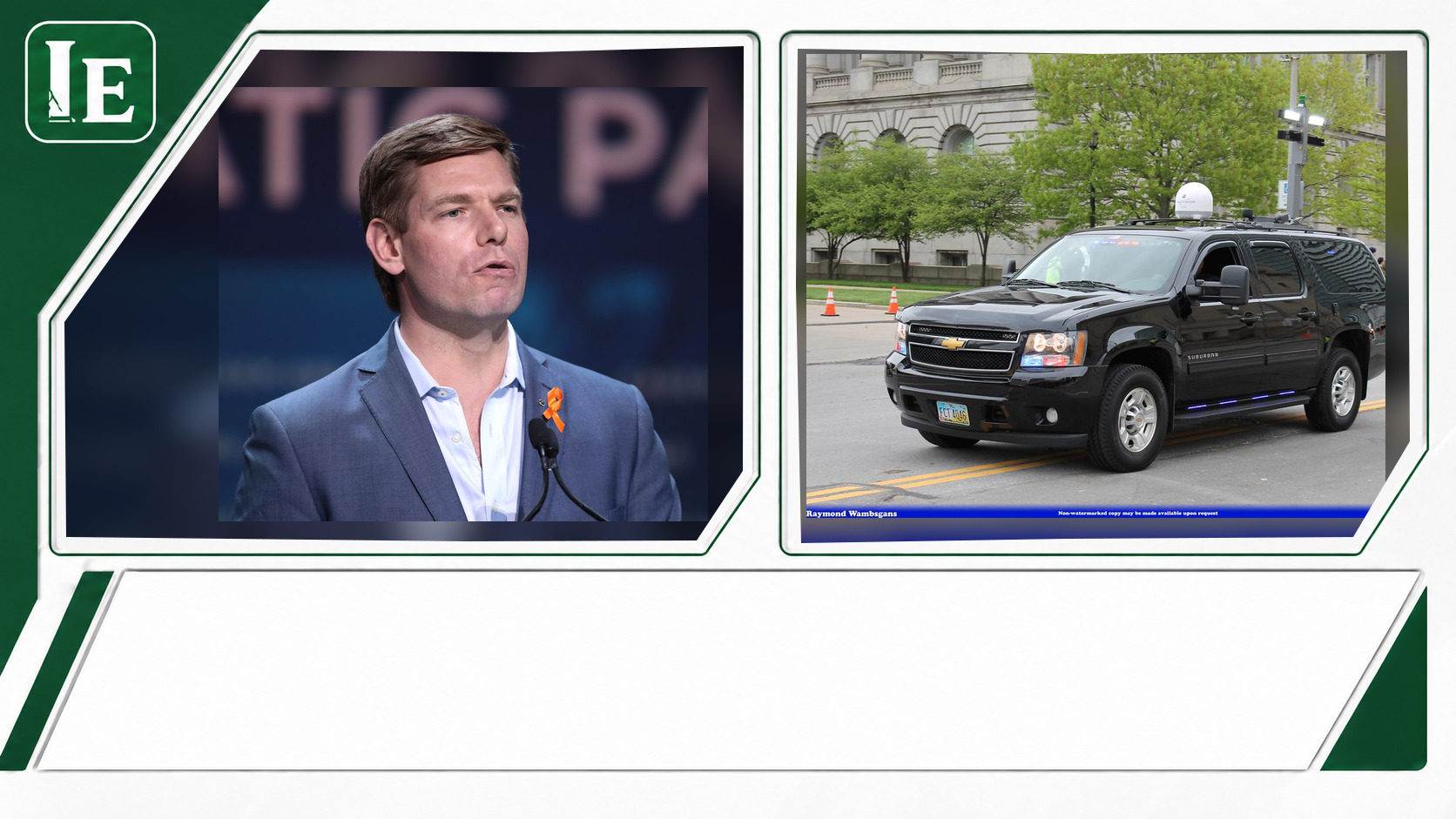
Two separate developments involving former Rep. Eric Swalwell collided in the same week: reported FBI search activity tied to misconduct allegations and the White House release of files about an older China-related investigation. The distinction between the matters is central to understanding what is known, what Swalwell disputes and what remains unresolved.
The FBI seized Eric Swalwell’s phone and other electronic devices during an airport confrontation this weekend and searched the former congressman’s Washington, D.C., home, according to reporting cited by the BBC. The reported actions were tied to a federal investigation into sexual-misconduct allegations, which Swalwell has denied through his attorney.
At the same time, the White House released damaging information about Eric Swalwell in the form of declassified files from a separate FBI inquiry concerning his past contact with Christine Fang, a Chinese national. The two developments have been discussed together, but they involve different allegations, different time frames and very different unanswered questions.
What federal agents reportedly did
The BBC, citing its U.S. media partner CBS News, reported that federal agents stopped Swalwell at an airport, took his electronic devices and searched his Washington residence while carrying out a search warrant.
Authorities had not publicly detailed the exact materials sought, the evidence presented to obtain the warrant or whether investigators expect to bring charges. A seizure of devices and a home search can be significant steps in an investigation, but neither establishes that a crime occurred.
That distinction matters in a case already surrounded by political conflict and highly serious claims. Search warrants require judicial approval, but their underlying affidavits are often sealed during an active investigation, limiting what the public can independently assess.
The allegations and Swalwell’s response
According to the BBC report, the federal activity concerns allegations of sexual misconduct. The report said Swalwell has faced accusations from multiple women, including accusations of rape, sexual assault and sending unsolicited nude photographs.
Those are allegations, not adjudicated findings. Swalwell has denied them, and his attorney, Sara Azari, previously described the accusations as false, fabricated and part of a political hit job. The BBC said it had sought comment from Swalwell.
The report also said the Manhattan district attorney’s office and the Los Angeles County Sheriff’s Department were conducting criminal investigations related to accusations against him. The available reporting does not establish the status, scope or potential outcome of those inquiries.
For readers following the case, the most important caution is simple: an investigation, a search warrant and allegations can all coexist without a criminal charge or conviction. The legal record will depend on what investigators can substantiate and what, if anything, prosecutors choose to file.
White House files involve a separate matter
The White House also released declassified documents from a separate FBI investigation involving Swalwell’s past relationship with Fang, who was also known as Fang Fang or Christine Fang. The release concerned contacts dating back more than a decade, not the misconduct investigation described in the reports about the FBI’s recent search activity.
Swalwell had previously faced scrutiny over his contacts with Fang, who was alleged to have sought to cultivate relationships with U.S. political figures on behalf of China. The BBC reported that many elements of the 2015 episode were already public.
Crucially, Swalwell was never charged in connection with that matter. Declassified documents may add detail or fuel political arguments, but their release does not itself amount to a new criminal finding against him.
The White House’s decision to release the files alongside renewed attention to the federal search has made the two stories easy to blend together. They should instead be viewed as parallel developments: one involving reported current investigative steps, the other involving historical intelligence-related material.
Why the timing carries political weight
Swalwell was once one of the most visible Democratic members of Congress, frequently appearing on television and criticizing President Donald Trump. His political standing changed sharply after the misconduct allegations emerged earlier this year, according to the BBC.
The BBC reported that Swalwell withdrew from the California governor’s race and left the House after the allegations surfaced. It also said the House Ethics Committee opened an inquiry that ended after he was no longer a member of Congress.
That background explains why the White House document release is drawing scrutiny beyond the contents of the files themselves. Supporters of the release may argue that the public deserves access to declassified material involving an elected official and national-security concerns. Critics may see the timing as politically charged, particularly when another investigation is attracting intense attention.
Neither interpretation answers the underlying legal questions. It does show how disclosures, investigations and partisan narratives can shape public understanding before the relevant evidence is tested in court.
What a device seizure can reveal
Phones, computers and cloud-linked accounts can contain messages, photos, location data, call logs and records of online activity. Investigators may seek such material to corroborate witness accounts, establish a timeline or identify communications relevant to a particular allegation.
But access to digital evidence is rarely as immediate or straightforward as television dramas suggest. Lawyers can challenge the validity or scope of a warrant, contest how material was collected and seek to limit investigators’ access to information unrelated to the case.
Courts may also impose procedures for handling privileged or personal information. If a device contains communications with attorneys, for example, investigators generally need safeguards to prevent prosecution teams from reviewing protected material.
No public account in the available reporting explains what devices were taken, whether data has been reviewed or whether Swalwell intends to challenge the search. Those details could be important as the inquiry develops.
The unanswered questions ahead
The most immediate unknown is whether the federal investigation will result in charges, a public explanation from the Justice Department or no prosecution at all. Federal agencies often decline to comment on active investigations, particularly at an early stage.
It is also unclear whether the search warrant materials will become public, whether Swalwell’s legal team will seek their release, and how any local or state investigations might intersect with the federal matter. Separate agencies can examine overlapping allegations while applying different legal standards and procedures.
The White House documents raise a separate set of questions about what was newly disclosed, why the material was declassified now and whether the release changes the public understanding of Swalwell’s earlier contacts with Fang. Based on the BBC’s account, the release does not change the fact that Swalwell was not charged in that investigation.
For now, the clearest reading is also the most restrained one: the FBI’s reported seizure of Swalwell’s devices and search of his home mark an escalated investigative step, while the White House release has revived a separate controversy. Both are consequential, but neither substitutes for evidence tested through the legal process.
Leave a Reply