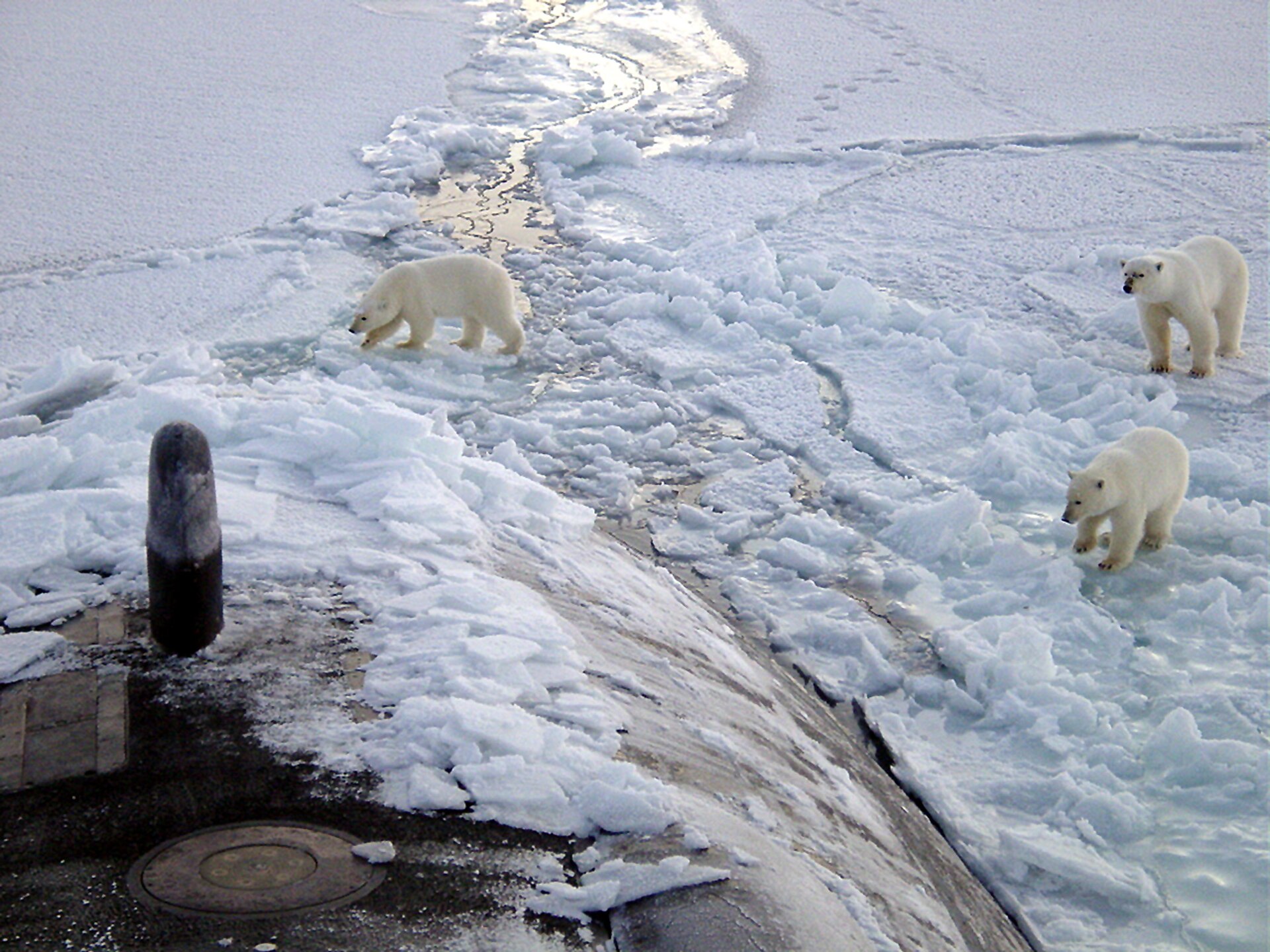
Bears have exchanged genes over evolutionary time, including polar and brown bears. But a report of one hybrid animal does not establish a lasting bloodline without evidence that its descendants survived, reproduced and passed on that ancestry.
Modern bear genetics already shows that interbreeding can leave a long-lived mark. Separate ancient-DNA research found deep genetic mixing between polar bears and brown bears, and research summarized by the University of California, Santa Cruz, says polar bear ancestry may account for as much as 10% of the genome in some brown bears alive today.
That established history is why a circulating report that scientists found a hybrid bear that started a new bloodline is scientifically plausible. Yet the material available with the report does not identify the bear species, location, scientists involved or genetic evidence needed to demonstrate that descendants formed a persistent lineage.
Bear DNA records older encounters
Bear evolutionary history is not a simple branching family tree. Closely related bear groups have exchanged genes at different times in the past, leaving genetic signals that researchers can detect in living animals and ancient remains.
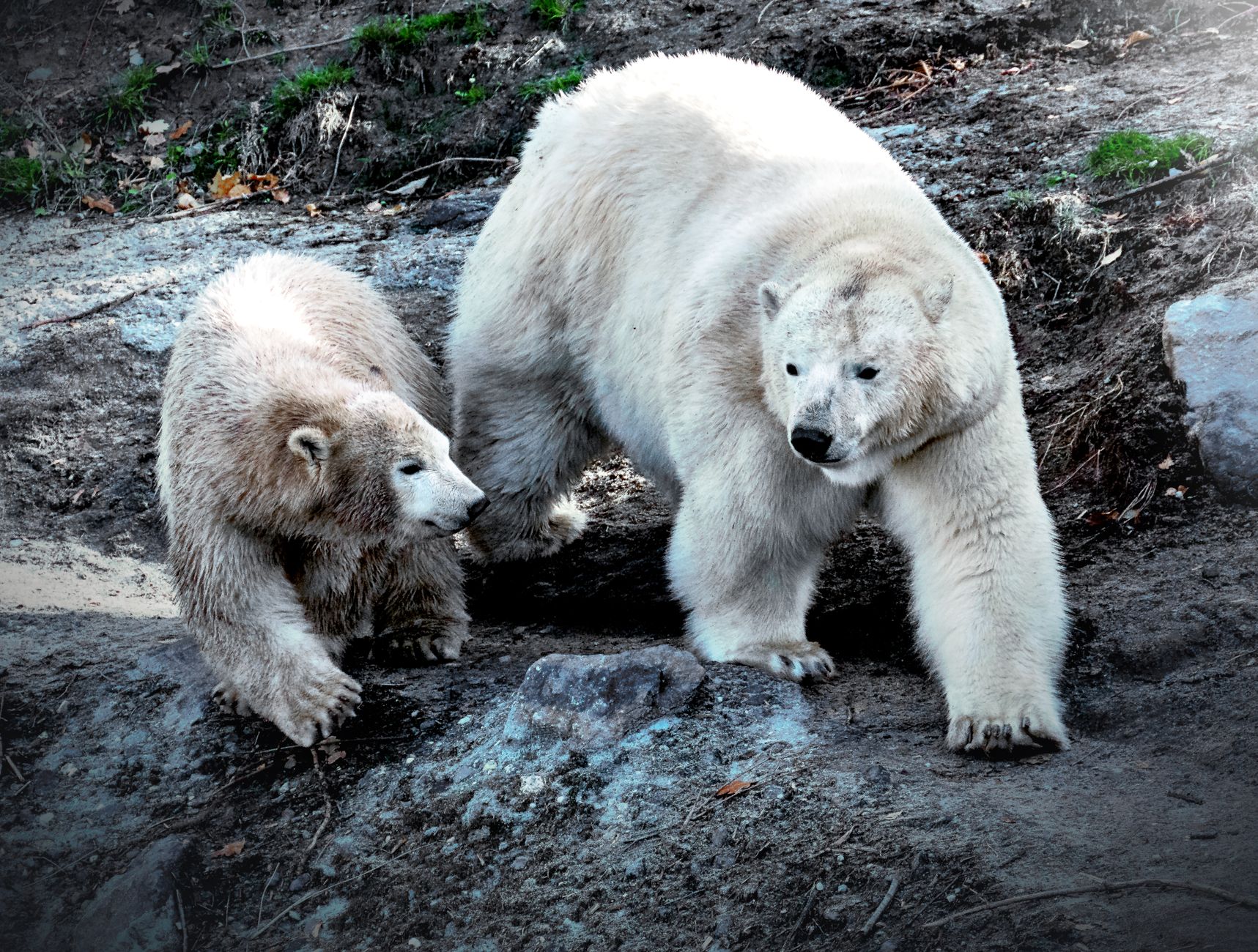
A 2022 study in Nature Ecology & Evolution, archived by the National Institutes of Health’s PubMed Central, examined the evolutionary history of Asiatic black bears. It concluded that hybridization played a significant role in the group’s past and described it as a potential catalyst for evolutionary change.
Researchers studying an approximately 100,000-year-old polar bear nicknamed Bruno reported that the lineage associated with that animal mixed with the lineage leading to modern brown bears after roughly 125,000 years ago.
These findings show how mixed ancestry can persist across many generations. They do not, on their own, verify the specific report now circulating.
Why descendants are the decisive evidence
A hybrid is generally an animal whose parents come from two genetically distinct populations or species. In bears, that can describe a first-generation offspring, later descendants with mixed ancestry, or an animal whose genome retains traces of much older interbreeding.
Those are different biological situations. Genetic testing could establish that a bear was a hybrid, but confirming a lasting bloodline would require samples from offspring and later descendants showing that the mixed ancestry endured.
A well-supported case would include a documented family relationship, genome sequencing or multiple genetic markers, and evidence that descendants survived and reproduced. Field observations and tracking records could add ecological context, but genetic data are necessary to distinguish appearance from ancestry.
Mixed ancestry can disappear after a generation or two. It can also become established through repeated breeding, a process commonly called gene flow, admixture or introgression. The latter is the threshold implied by the phrase new bloodline.
What the circulating report does not identify
The available material does not provide a named study, research institution, specimen record, location, date, named bear species or genetic dataset. It also does not make clear whether the reported animal was a first-generation hybrid, a later mixed-ancestry descendant or an animal carrying evidence of older gene exchange.
That absence does not disprove the report. It means the claim should remain unverified until underlying evidence can be examined.
Visual resemblance would not settle the question. Bears can vary substantially in size, coat color and body shape. Nor does the existence of one mixed-species animal demonstrate that it reproduced or that its descendants continued reproducing.
The key claim, therefore, is not merely that a hybrid bear existed. It is that the animal founded a continuing line, and that portion needs the clearest documentation.
Where polar and brown bears can overlap
Polar bears and brown bears are distinct but closely related species that can produce offspring. Their overlap has drawn close attention as climate change alters Arctic habitats and changes where the animals may encounter one another.
Polar bears are highly specialized for life associated with sea ice, where they hunt marine mammals. Brown bears are more flexible generalists that can use a broader range of foods and landscapes. Those ecological differences may affect where hybrids can live and which ones survive.
As sea ice declines, polar bears may spend more time near coasts and on land. Brown bears have also expanded northward in parts of their range. Greater overlap can create more opportunities for contact, although contact does not automatically result in mating or a durable genetic legacy.
Hybridization is not necessarily an uncomplicated conservation benefit. Mixed ancestry may add genetic variation in some circumstances, while also complicating efforts to protect a small, specialized population such as polar bears. Habitat loss remains the larger threat for a species dependent on sea ice.
Questions that would test a lasting lineage
A documented new bear line would need answers to several basic questions:
- Which species or populations were involved?
- Where and when was the animal identified?
- Was it wild, captive or associated with a managed population?
- How was parentage genetically confirmed?
- Were offspring and later descendants sampled or otherwise documented?
- Did the mixed ancestry spread into a wider population?
Those details would let other researchers assess the finding, compare it with known bear populations and determine whether it was isolated or evolutionarily meaningful.
For now, the reported hybrid bear is best treated as a claim awaiting specifics. The broader science is already clear: bear populations have sometimes met, interbred and exchanged genes whose effects can remain visible through generations.
Leave a Reply